
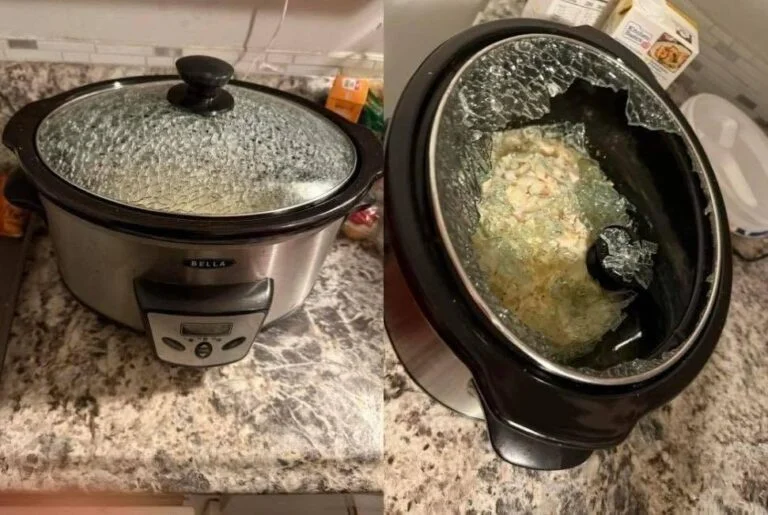
Slow cookers are a beloved centerpiece of busy kitchens worldwide, praised for their ability to transform simple ingredients into tender, comforting meals with minimal active effort. However, many home cooks have experienced a sudden and shocking kitchen nightmare: returning to check on dinner only to find the glass lid has completely shattered, showering food with dangerous glass shards.
While a shattered glass lid might look like a random defect or sudden explosion, it is almost always caused by specific thermal or physical stresses. Understanding the science of tempered glass, thermal shock, and proper kitchen appliance care can help protect your home, keep your family safe, and extend the lifespan of your favorite kitchen gear. Here is a comprehensive breakdown of why slow cooker lids break and how to prevent it from happening to you.
The Science Behind Slow Cooker Lids: Tempered Glass Dynamics
Most modern slow cooker lids are made from tempered glass—a specialized safety glass treated by controlled thermal or chemical processes to increase its strength compared to regular glass.
How Tempered Glass Behaves
Tempered glass is designed to put its outer surfaces into compression and its interior into tension. This manufacturing process makes the lid significantly more resistant to heat and impact. Furthermore, when tempered glass fails, it disintegrates into small, dull-edged pebble-like pieces rather than jagged shards, reducing the risk of severe cuts.
However, this internal tension creates a unique vulnerability: if the outer layer is compromised by microscopic hairline cracks or sudden temperature changes, the entire energy stored within the glass releases at once, causing it to instantly shatter.
Top Causes of Shattered Crock-Pot Lids
Understanding the primary triggers behind broken glass lids can help you avoid making costly mistakes during meal prep.
1. Thermal Shock (Extreme Temperature Shifts)
Thermal shock occurs when glass experiences a rapid drop or rise in temperature, causing different parts of the material to expand or contract at uneven rates.
-
Placing a Hot Lid on a Cold Surface: Removing a hot lid from a simmering slow cooker and placing it directly onto a cold granite countertop, tile, or stainless steel sink can induce instant thermal shock.
-
Washing Hot Glass with Cold Water: Rinsing a steaming lid under cold tap water immediately after cooking is one of the leading causes of sudden glass failure.
-
Adding Frozen Ingredients Near the Rim: Piling ice-cold or frozen meat directly against the heated rim of the lid can create localized temperature stress points.
2. Micro-Fissures and Physical Impact
Dropping a lid, banging it against a pot during washing, or storing it tightly packed under heavy cookware can create imperceptible micro-cracks. Even if the lid does not break immediately, these tiny fissures weaken the structural integrity over time. Weeks or months later, normal heating during routine cooking can cause the weakened glass to spontaneously break under stress.
3. Trapped Moisture and Blocked Steam Vents
Many crock-pot lids feature a small steam release hole. If food debris, grease, or burnt residue clogs this vent, pressure can build up beneath the lid, placing unnecessary physical force against the glass.
Essential Kitchen Safety and Appliance Maintenance Tips
Practicing proper appliance care prevents dangerous accidents, protects your home investment, and ensures your meals remain safe to consume:
-
Always Use a Trivet or Towel: When taking the lid off a hot slow cooker, always set it down on a silicone trivet, wooden cutting board, or folded cloth towel rather than cold stone or metal surfaces.
-
Let Glass Cool Completely Before Cleaning: Allow hot lids to reach room temperature before washing them in the sink or placing them in a dishwasher.
-
Inspect Glass Regularly: Check your cookware periodically for small chips, deep scratches, or loose handle screws that could compromise structural integrity.
-
Never Consume Food from a Broken Appliance: If a glass lid shatters over a slow cooker, discard the entire meal immediately. Microscopic glass splinters can embed deeply into liquid and meat, making filtering or salvaging impossible.
-
Protect Home Investments with Warranty Claims: Many reputable manufacturers offer replacement parts or honor warranty claims if a lid breaks under normal usage conditions without user error.
Important Facts About Cookware and Home Insurance
-
Manufacturer Recalls: Product recall databases frequently update listings for defective batch runs of household kitchen electronics and glass components.
-
Kitchen Liability: Appliance-related accidents and unexpected kitchen damage account for thousands of home insurance claims annually, highlighting the value of maintaining up-to-date homeowner or renter insurance policies.
-
Alternative Lids: Universal silicone stretch lids, stainless steel replacement covers, and tempered glass replacements are widely available online for standard slow cooker sizes.
Frequently Asked Questions (FAQ)
Can I replace a shattered slow cooker lid with aluminum foil while cooking?
Yes, covering the ceramic insert tightly with heavy-duty aluminum foil works as a safe, temporary alternative to complete your meal without losing essential cooking heat or moisture.
Are replacement lids expensive?
Not at all. Replacement tempered glass lids typically cost between $10 and $20 through appliance manufacturer websites or major online retailers, making it easy to fix your cooker without purchasing a whole new unit.
Can dishwasher heat cause a glass lid to explode?
While most tempered glass lids are labeled dishwasher safe, the intense heat cycles combined with potential collisions against metal racks or other dishes can cause subtle micro-scratches over time, slowly degrading the glass strength.
Taking simple precautions when handling hot glassware protects your slow cooker and keeps your kitchen safe. By managing thermal changes and allowing hot lids to cool naturally, you can enjoy hassle-free, delicious meals for years to come.
Scroll down to explore more related articles.
