
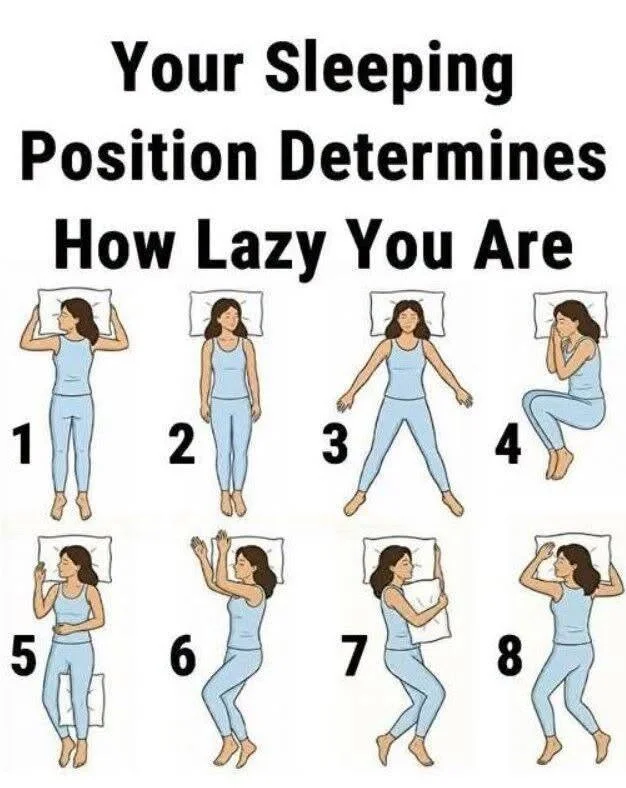
Have you ever wondered why you naturally default to a specific posture the moment your head hits the pillow? Whether you curl up tightly in a ball, stretch out across the entire mattress, or sleep flat on your back, your preferred sleeping position is much more than a comfortable habit. Sleep specialists, physical therapists, and psychologists have long studied how nighttime postures reflect health habits, energy levels, and spinal alignment.
While fun personality tests often link sleeping postures to traits like motivation or laziness, the physical reality is that how you rest directly impacts your daytime vitality, metabolic health, and mental focus. Understanding the science of sleep posture can help you optimize your rest, reduce morning fatigue, and improve overall wellness. Here is a comprehensive breakdown of common sleeping positions, what they signify, and how to improve your overall sleep quality.
The Science Behind Sleeping Positions and Energy Levels
The way you position your body during sleep influences key physiological processes, including spinal alignment, breathing efficiency, blood circulation, and digestion. When your body is properly aligned at night, you experience deeper rapid eye movement (REM) and slow-wave restorative sleep, leading to higher natural energy throughout the day.
Back Sleeping (Positions 1, 2, and 3)
Sleeping on your back—often referred to as the “soldier” or “starfish” position—is widely considered by orthopedists to be optimal for spinal health.
-
Pros: It keeps your head, neck, and spine in a neutral position, minimizing pressure points and reducing facial wrinkles or breakouts caused by pillow contact.
-
Cons: Back sleeping can exacerbate snoring and sleep apnea because gravity pulls the tongue backward, potentially obstructing the airway and causing daytime drowsiness.
Side Sleeping and the Fetal Position (Positions 4, 6, and 7)
Side sleeping is the most common posture worldwide, with the fetal position (curling knees toward the chest) being particularly popular.
-
Pros: Sleeping on your side—especially the left side—improves digestive function, reduces acid reflux, and supports lymphatic drainage. It is also the safest and most comfortable position during pregnancy.
-
Cons: Curling up too tightly can restrict deep diaphragm breathing and lead to morning joint stiffness or shoulder discomfort.
Stomach and Dynamic Positions (Positions 5 and 8)
Positions where a person sleeps face-down or in a restless, asymmetric posture often indicate physical restlessness or difficulty settling into deep sleep cycles.
-
Pros: Sleeping face-down can temporarily reduce snoring.
-
Cons: It places significant strain on the cervical spine and neck muscles because your head must remain turned to one side for hours, leading to chronic stiffness and headaches.
Practical Tips for Improving Sleep Quality and Daytime Vitality
If you consistently wake up feeling sluggish, tired, or sore, adjusting your environment and body alignment can dramatically boost your physical recovery:
-
Optimize Pillow Placement: If you sleep on your back, place a thin pillow under your knees to maintain natural lumbar curve. Side sleepers should place a firm pillow between their knees to keep hips aligned.
-
Invest in a Supportive Mattress: A medium-firm mattress generally offers the best balance of pressure relief and spine support for most sleeping styles.
-
Maintain a Consistent Sleep Schedule: Going to bed and waking up at the exact same time every day stabilizes your circadian rhythm, eliminating afternoon brain fog.
-
Limit Screen Exposure Before Bed: The blue light emitted by smartphones and televisions suppresses melatonin production, making it harder to drift into deep, restorative sleep.
-
Manage Financial and Life Stress: Financial worries—such as managing mortgages, loans, or business expenses—are a leading cause of middle-of-the-night waking. Establishing strong financial plans helps calm nighttime anxiety.
Fascinating Facts About Human Sleep Hygiene
-
Position Changes: The average adult changes their sleeping position between 10 to 40 times every single night to relieve physical pressure and maintain blood circulation.
-
The Power of Left-Side Sleeping: Because the human stomach is shaped like a comma, sleeping on your left side keeps gastric juices below the esophagus, preventing nighttime heartburn.
-
Glyphatic System Cleansing: During deep sleep, the brain’s glymphatic system opens up to flush out metabolic waste products built up during waking hours.
Frequently Asked Questions (FAQ)
Can your sleeping position really make you lazy or tired?
No sleeping position directly makes a person lazy. However, poor sleeping postures that restrict breathing or misalign the spine prevent deep sleep, leaving you feeling exhausted and unmotivated the next day.
Is it hard to change a lifelong sleeping position?
It takes time and intentional effort, but it is entirely possible. Using body pillows, contoured memory foam, or weighted blankets can comfortably train your body to remain in a healthier posture overnight.
Which sleeping position is best for neck and back pain?
Back sleeping with proper neck contour support is generally ideal for preventing neck and back strain, followed by side sleeping with a pillow between the knees.
Prioritizing your nighttime posture is a simple, effective investment in your health, mood, and daily productivity. By making small adjustments to your pillow support and bedtime routine, you can ensure you wake up fully recharged and ready for the day ahead.
Scroll down to explore more related articles.
