
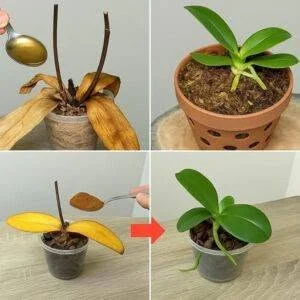
Orchids are among the most stunning houseplants in the world, prized for their delicate blossoms and elegant structure. However, they are also notoriously sensitive. Many indoor gardeners watch in dismay as a once-thriving orchid develops yellowing leaves, rotting stems, or drooping roots, assuming the plant is beyond saving.
Before you throw out a struggling orchid, it is important to know that these resilient tropical plants can often be revived with proper care, natural remedies, and the right potting conditions. By leveraging simple household ingredients like cinnamon and natural organic nutrients, you can stimulate new root growth, protect vulnerable tissues from fungal infections, and bring your orchids back to life. Here is a comprehensive step-by-step guide on how to save a dying orchid and keep it blooming for years to come.
Why Do Orchids Decline? Identifying Common Problems
Understanding why your orchid is struggling is the first step toward effective treatment. In their natural habitats, epiphytic orchids grow attached to tree bark, where their roots are exposed to frequent rainfall, high humidity, and constant airflow. When grown indoors, artificial environments often cause two main issues:
1. Overwatering and Root Rot
Overwatering is the single most common reason orchids die. When orchid roots remain submerged in wet, poorly draining bark or moss, they suffocate and turn mushy, black, or hollow. Unable to absorb water or nutrients, the leaves turn yellow, shrivel, and drop off.
2. Bacterial and Fungal Infections
When leaves or stems are cut or damaged in high-humidity environments, opportunistic pathogens can enter the plant. Left untreated, fungal rot can spread through the crown and destroy the entire plant structure.
The Natural Revival Method: Using Cinnamon and Natural Nutrients
Natural remedies offer gentle, highly effective solutions for treating damaged orchids without exposing delicate tissue to harsh synthetic chemicals.
Cinnamon as a Natural Fungicide
Ground cinnamon is a powerful natural fungicide and antibacterial agent. When applied to cut stems, damaged root areas, or exposed crown tissues, cinnamon seals the wound, absorbs excess moisture, and prevents fungal spores from taking root.
Organic Root Stimulants
Natural mixtures containing mild sugars, organic liquid fertilizers, or honey water provide carbohydrates and micro-nutrients that encourage dormant root nodes to sprout vibrant green aerial roots.
Step-by-Step Guide to Saving Your Orchid
Follow these practical steps to rescue a dying orchid and transition it into a healthy new container:
-
Unpot and Inspect: Gently remove the orchid from its existing pot and brush away old, degraded potting medium.
-
Prune Dead Tissue: Using sterilized shears, carefully cut away all mushy, black, or completely dried-up roots and brown, dead flower spikes. Keep any roots that feel firm to the touch.
-
Apply Cinnamon Powder: Dust a light coating of pure ground cinnamon directly onto cut surfaces and open tissue wounds to prevent infection.
-
Prepare Fresh Medium: Place the orchid in a well-draining potting mixture consisting of coarse pine bark, perlite, and sphagnum moss.
-
Repot and Water Lightly: Secure the plant in a clear orchid pot with drainage holes, allowing light to reach the root system. Water sparingly until new root growth appears.
Essential Care Tips for Healthy Orchid Growth
To prevent future setbacks, maintain an optimal environment that mimics the orchid’s natural tropical habitat:
-
Provide Bright, Indirect Sunlight: Place orchids near an east- or south-facing window with sheer curtains. Direct sunlight burns sensitive leaves, while dim lighting prevents reblooming.
-
Master the Watering Routine: Water your orchid only when the potting medium is nearly dry to the touch, or when green roots turn a silvery-gray shade.
-
Maintain Air Circulation: Good airflow around the pot prevents stagnant moisture and reduces fungal growth.
-
Fertilize Responsibly: Feed your orchid with a diluted, balanced orchid fertilizer (“weakly, weekly”) during its active growth phase.
Fascinating Facts About Orchids
-
Vast Diversity: Orchids comprise one of the largest families of flowering plants on Earth, with over 28,000 naturally occurring species.
-
Photosynthetic Roots: Unlike most houseplants, Phalaenopsis orchid roots contain chlorophyll and can perform photosynthesis, which is why transparent pots support healthier root growth.
-
Vanilla Origin: The popular vanilla flavoring used in baking is harvested from the seed pods of the Vanilla planifolia orchid.
Frequently Asked Questions (FAQ)
Can an orchid survive with no roots left?
Yes. If the crown (center base) of the orchid remains firm and healthy, you can stimulate new root development using high humidity techniques, such as placing the plant over a moist moss layer inside a clear plastic bag environment.
How long does it take for a revived orchid to bloom again?
Once a rescued orchid begins producing new roots and leaves, it typically takes anywhere from 6 to 12 months to build up enough stored energy to produce a new flower spike.
Is ground cinnamon from the grocery store safe for orchids?
Yes, standard pure culinary ground cinnamon is safe and widely used by professional orchid growers as a natural topical antiseptic.
Reviving an orchid requires patience, but watching fresh green roots and vibrant leaves emerge makes the effort entirely worthwhile. By using natural protective remedies and creating the ideal root environment, you can enjoy stunning, long-lasting orchid blooms for years.
Scroll down to explore more related articles.
