
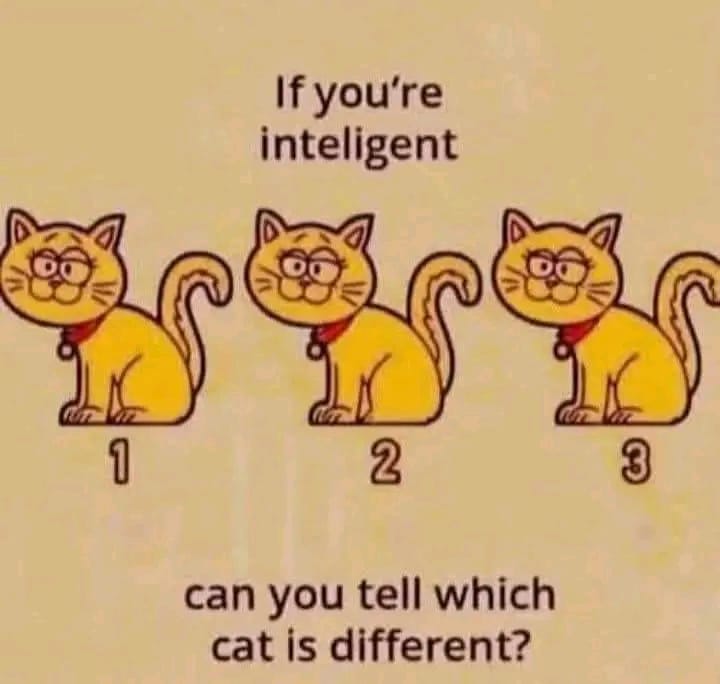
Visual puzzles, spot-the-difference riddles, and brain teasers have captivated people of all ages for centuries. From simple newspaper comic strips to viral social media challenges, these engaging images test our perception, attention to detail, and cognitive processing speed. While they are often viewed as simple entertainment, solving visual puzzles engages intricate mental networks, sharpens problem-solving skills, and highlights how the human brain processes complex visual data. Understanding how these illusions work offers fascinating insights into perception, cognitive health, and visual processing.
The Science of Visual Perception and Attention
When looking at an image featuring multiple similar objects, the human brain quickly performs pattern recognition. Visual processing occurs primarily in the occipital lobe, but scanning, comparing, and identifying subtle differences require active coordination across the parietal and frontal lobes.
Pattern Recognition and Visual Scanning
The brain is wired to seek efficiency. When presented with identical or near-identical shapes—such as a series of cartoon cats—the visual cortex attempts to save processing energy by grouping them together. This phenomenon, known as visual chunking, allows us to recognize overall shapes without examining every individual detail immediately.
To spot tiny discrepancies, an observer must consciously override visual chunking and execute a systematic visual scan. This task engages high-level cognitive processes, including working memory and selective attention, forcing the viewer to compare fine elements like whiskers, ears, collars, or facial expressions step-by-step.
The Role of Optical Illusions and Trick Questions
Many viral visual challenges incorporate subtle elements designed to mislead the viewer. Sometimes the visual trick involves minute graphic differences—such as a missing line, a mirrored feature, or an extra detail. In other instances, the puzzle operates on a psychological level, combining visual observation with text-based tricks or wordplay. These multidimensional brain teasers test not only visual acuity but also critical reading and comprehension skills.
Cognitive Benefits of Regular Brain Training
Engaging in mental exercises, brain teasers, and visual puzzles is more than just fun; it provides a healthy workout for the mind. Keeping the brain active supports overall cognitive agility across every stage of life.
Enhancing Detail Orientation and Focus
In today’s fast-paced digital environment, attention spans are frequently tested by constant notifications and rapid content consumption. Practicing visual discrimination tasks trains the brain to sustain focus, improve spatial awareness, and cultivate meticulous attention to detail. These skills carry over into everyday life, improving tasks ranging from reading complex documents to driving safely.
Mental Stimulation for Lifelong Cognitive Health
Maintaining brain health requires continuous engagement and challenge. Mental exercises stimulate neuroplasticity—the brain’s ability to form new neural connections. Engaging regularly in problem-solving activities supports long-term cognitive resilience. People who maintain active cognitive habits often find themselves better equipped to handle complex analytical tasks, professional decision-making, and creative problem-solving.
Economic and Lifestyle Support Through Cognitive Wellness
Prioritizing mental well-being and brain health is a fundamental pillar of overall lifestyle optimization. Staying sharp mentally impacts daily productivity, educational attainment, and career development. High-level cognitive functioning enables individuals to navigate complex daily responsibilities, including managing personal finance, evaluating credit choices, planning for a mortgage, or organizing household budgets.
Just as individuals invest time in physical exercise or consult healthcare professionals for medical advice, giving the mind targeted daily exercises contributes to long-term vitality. Maintaining a balanced lifestyle—comprising adequate sleep, proper nutrition, lifelong learning, and mental stimulation—builds a strong foundation for both personal growth and financial stability.
Practical Tips for Improving Visual Observation Skills
-
Use a Structured Scanning Pattern: When comparing similar images, scan systematically from top to bottom or left to right rather than letting your eyes wander randomly.
-
Focus on Specific Micro-Details: Isolate individual components—such as eyes, outlines, line thickness, or background spacing—and compare them across each subject one at a time.
-
Take Short Breaks: Visual fatigue can impair perception. If a subtle difference eludes you, looking away for a few seconds re-energizes your visual processing focus.
-
Practice Dual Attention: Pay attention to both the visual image and any accompanying text, as puzzles frequently combine visual and verbal clues.
Interesting Facts About Perception and Puzzles
-
The Speed of Visual Processing: The human brain can interpret entire images seen for as little as 13 milliseconds, yet identifying micro-differences requires deliberate, slow cognitive analysis.
-
Historical Origins: Visual riddles and hidden-picture puzzles gained massive popularity during the late 19th century in print publications, serving as both entertainment and educational tools for children.
-
Foveal vs. Peripheral Vision: Our central vision (foveal vision) provides sharp detail, while peripheral vision notices motion and broad shapes. Spot-the-difference games rely heavily on precise foveal focus.
Conclusion
Visual puzzles offer a delightful blend of entertainment and cognitive challenge. By prompting us to look beyond initial impressions and inspect details closely, they showcase the extraordinary capabilities of human perception and visual processing. Whether you solve brain teasers for a quick mental break or to sharpen your focus, engaging with visual challenges is a rewarding way to keep your mind sharp, active, and curious.
FAQ Section
Why are spot-the-difference puzzles so effective at engaging the brain?
Spot-the-difference puzzles require selective attention, working memory, and systematic visual scanning, which forces the brain to override automatic pattern recognition and focus intensely on micro-details.
Can solving visual puzzles help improve memory?
Yes, regularly engaging in visual and cognitive puzzles stimulates neural activity and helps enhance working memory, visual discrimination, and overall mental sharpness.
What is visual chunking?
Visual chunking is a cognitive process where the brain groups similar visual elements together to quickly make sense of an image, which sometimes causes us to miss small individual variations at first glance.
How do visual brain teasers support long-term cognitive health?
By encouraging problem-solving and focus, visual brain teasers foster neuroplasticity and contribute to maintaining cognitive agility alongside a healthy lifestyle, good nutrition, and proper sleep.
