
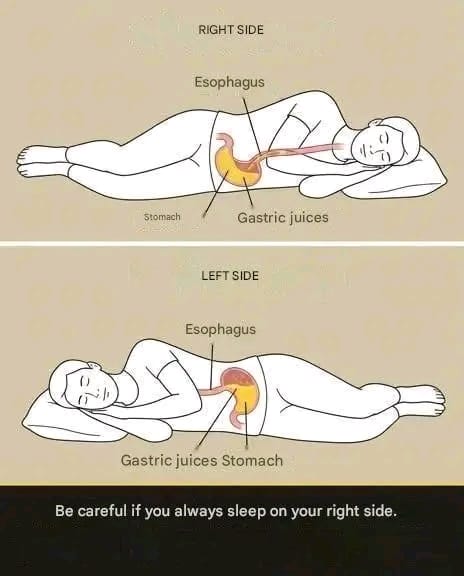
Sleep is a fundamental pillar of human health, recovery, and overall well-being. While most people focus heavily on mattress firmness, bedroom lighting, or total hours of rest, the position in which we sleep plays a surprisingly vital role in bodily functions. Specifically, anatomical layout dictates how gravity influences digestion during slumber. From managing acid reflux to optimizing gastrointestinal health, understanding the mechanics of left-side versus right-side sleeping can significantly impact daily comfort and health.
Anatomy and Digestion: Why Position Matters
The human body is asymmetrical, meaning internal organs are arranged in specific locations that react differently to gravity depending on posture. The stomach, for instance, sits predominantly on the left side of the upper abdomen.
When lying down, the position of the stomach relative to the esophagus changes dramatically. Gravity can either help retain gastric juices safely within the stomach or allow them to flow upward, depending on whether an individual rests on their right or left side.
The Mechanics of Right-Side Sleeping
As illustrated in anatomical breakdowns, sleeping on the right side positions the stomach below the esophagus in a way that can allow stomach acids to pool near the lower esophageal sphincter. For individuals prone to nighttime discomfort, indigestion, or gastroesophageal reflux, this posture can exacerbate symptoms because gastric juices easily reach the esophageal opening.
The Benefits of Left-Side Sleeping
Conversely, sleeping on the left side keeps the junction between the stomach and esophagus higher than the level of gastric acid. Gravity naturally assists in keeping stomach contents contained where they belong. Medical professionals and wellness experts frequently recommend left-side sleeping for individuals dealing with chronic heartburn or digestive sluggishness.
Broader Health and Lifestyle Implications
Maintaining optimal health requires looking at daily habits comprehensively, much like managing personal finance, budgeting for a mortgage, or evaluating a long-term investment strategy. Just as small financial adjustments prevent major issues down the road, making minor ergonomic tweaks to nighttime habits can yield substantial health benefits over time.
Sleep Quality and Restorative Recovery
Restful sleep supports cognitive performance, immune function, and emotional regulation. When physical discomfort—such as indigestion or muscle stiffness—interrupts the sleep cycle, overall vitality suffers. Aligning sleeping posture with natural bodily anatomy ensures uninterrupted, deep sleep cycles that promote physical repair and mental clarity.
Financial and Practical Considerations in Wellness
Investing in proper sleep infrastructure, such as supportive pillows or ergonomic mattresses, contributes heavily to long-term health. While medical advice or specialized treatments may involve attorney consultations or healthcare expenses, proactive lifestyle modifications remain cost-effective ways to enhance daily wellness. Maintaining physical health reduces long-term medical costs and protects personal productivity.
Practical Tips for Improving Sleep Posture
-
Use Body Pillows: Placing a supportive pillow between your knees or behind your back can help maintain a comfortable left-side sleeping position throughout the night.
-
Elevate the Head: If side sleeping is difficult, slightly elevating the head of the bed can use gravity to reduce acid reflux symptoms.
-
Gradual Adjustment: Transitioning to a new sleeping posture takes time; practice spending the first 15 minutes of sleep on your left side to build a natural habit.
-
Consult Professionals: If chronic sleep disruption or severe digestive discomfort persists, seek guidance from qualified medical or health professionals.
Interesting Facts About Sleep Positions
-
Global Sleep Preferences: Cultural habits and mattress types heavily influence regional sleeping postures, though side sleeping remains the most common preference globally.
-
Pregnancy and Circulation: Left-side sleeping is heavily recommended for expectant mothers because it improves circulation to the fetus and prevents pressure on major blood vessels.
-
The Gastric Pouch: The unique curvature of the human stomach is precisely what creates the functional difference between left- and right-lateral sleeping postures.
Conclusion
Understanding how posture affects internal anatomy provides a powerful tool for improving daily health and comfort. By recognizing the differences between left- and right-side sleeping, individuals can make informed adjustments to support better digestion and more restorative rest. Small changes in nightly habits often create the most significant improvements in overall well-being.
FAQ Section
Why is sleeping on the left side generally recommended for digestion?
Sleeping on the left side keeps the gastric junction above the level of stomach acid, using gravity to prevent digestive juices from flowing back into the esophagus.
Can sleeping on the right side cause health issues?
While not inherently dangerous for everyone, sleeping exclusively on the right side can increase the likelihood of acid reflux and heartburn symptoms for sensitive individuals.
How can I train myself to sleep on my left side?
Using body pillows to block rolling over and consciously starting your night on your left side can help train your body to maintain the posture overnight.
Does sleep position affect other body systems?
Yes, sleep posture can impact circulation, spinal alignment, and breathing patterns, making posture optimization an important part of overall health routines.
