
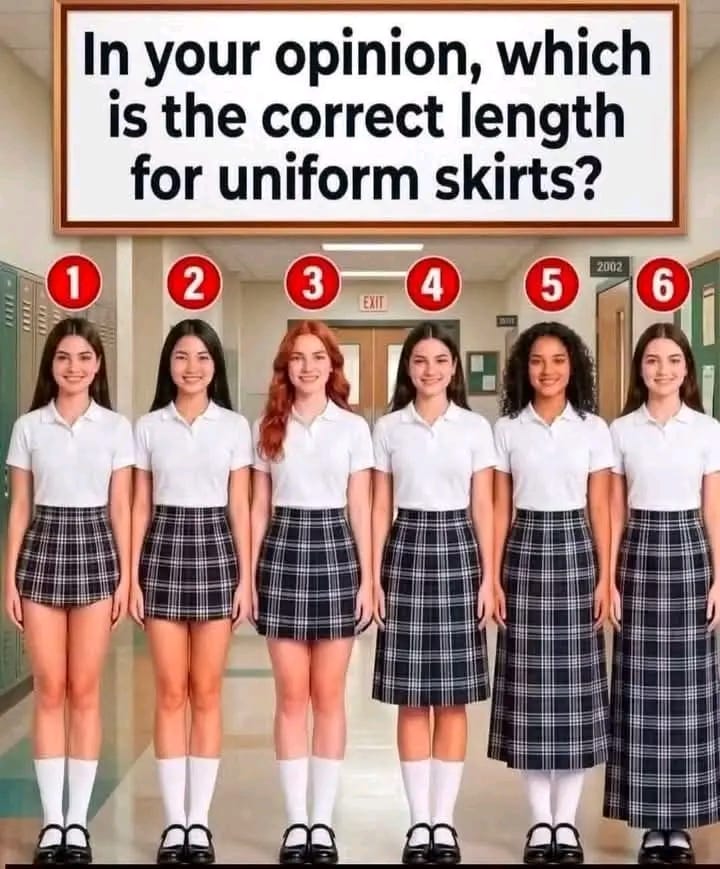
School uniforms have been a staple of educational institutions for generations. Across the globe, schools implement dress codes to foster a sense of equality, reduce peer pressure, and maintain a focused academic environment. However, one of the most debated aspects of the traditional school uniform is the length of uniform skirts. From ultra-short variations to ankle-length traditional styles, dress codes spark continuous conversations among parents, educators, and students. Understanding the balance between personal expression, institutional regulations, and comfort is essential for navigating modern school policies.
The History and Purpose of School Uniforms
The origin of school uniforms dates back centuries, initially designed to distinguish social classes or identify students from specific institutions. Over time, the objective shifted toward promoting discipline and unity. When students wear the same attire, socioeconomic disparities are less visible on the surface, theoretically creating a level playing field.
Institutions often design uniforms with specific guidelines regarding fit, color, and length. These guidelines are typically outlined in a school handbook, aiming to maintain a professional atmosphere comparable to a future business or legal services environment where professional standards matter. Just as corporate entities expect a certain level of presentation, schools set expectations to prepare students for professional life.
Balancing Tradition and Modern Comfort
As fashion trends evolve, student expectations regarding clothing fit and comfort change as well. What was considered standard decades ago might look vastly different from contemporary preferences. Educational administrators constantly face the challenge of updating dress codes to reflect modern sensibilities while maintaining institutional decorum.
Comfort and Practicality in Daily Wear
Students spend a significant portion of their day sitting, walking, and participating in school activities. Therefore, comfort plays a vital role in clothing selection. Skirts that are overly restrictive can hinder movement, while excessively short designs may conflict with standard school safety and modesty codes. Finding the right middle ground ensures that students can move freely throughout the day without violating dress code policies.
Psychological and Social Impacts
Dress codes can significantly influence campus culture. Proponents argue that standardized attire reduces morning stress and prevents distractions related to brand-name clothing or fashion competition. Conversely, some educators and child development specialists emphasize the importance of autonomy. Allowing students a degree of personal expression within guidelines can foster confidence and individuality.
Economic and Financial Considerations for Families
Purchasing school uniforms involves careful budgeting for households. School clothing expenses can add up, particularly when growing children require frequent replacements. Families often look for durable, high-quality fabrics that withstand regular washing and daily wear.
Managing household finances efficiently requires planning, especially when factoring in seasonal wardrobe changes, extracurricular gear, and specialized educational supplies. Much like planning for an investment, mortgage, or credit management, budgeting for educational expenses helps families maintain long-term financial stability without unnecessary stress. Sound financial planning ensures that education-related costs remain manageable throughout the academic year.
Health, Well-Being, and Dress Code Equity
Dress codes can sometimes intersect with student well-being and health considerations. Ensuring that clothing is appropriate for various weather conditions—such as warm summers or cold winters—is crucial. Furthermore, modern school policies increasingly emphasize equity, ensuring that dress code enforcement is applied fairly across all student demographics without bias.
Practical Tips for Navigating School Dress Codes
-
Review the Handbook Early: Always check the institution’s official dress code guidelines before purchasing new uniform pieces to ensure compliance with length and style rules.
-
Prioritize Adjustable Features: Look for skirts with adjustable waistbands or versatile cuts that accommodate growth spurts throughout the school year.
-
Involve Students in Choices: Allow students to participate in selecting comfortable, compliant options within the approved guidelines to encourage ownership and satisfaction.
-
Focus on Quality Fabrics: Invest in durable, wrinkle-resistant materials that reduce maintenance effort and last longer.
Interesting Facts About School Uniforms
-
Global Variations: School uniform policies vary wildly across the world; for instance, Japan has a deeply ingrained uniform culture inspired by historical sailor suits, while countries like the United States rely more heavily on localized school board policies.
-
The Psychology of Color: Many schools choose navy, plaid, or dark gray for skirts because these colors project neutrality, discipline, and focus.
-
Historical Roots: The modern concept of the school uniform gained widespread popularity in 16th-century England at charity schools like Christ’s Hospital.
Conclusion
The debate surrounding uniform skirt lengths highlights the ongoing balancing act between institutional tradition, student comfort, and personal expression. While schools strive to maintain an orderly and focused learning environment, families navigate the practicalities of fit, durability, and cost. Ultimately, open communication between parents, students, and school administrators remains the best approach to establishing fair and sensible dress code standards.
FAQ Section
Why do schools enforce strict dress codes for uniforms?
Schools enforce dress codes to minimize distractions, reduce peer pressure related to fashion trends, promote a sense of equality, and maintain a professional learning environment.
How can parents find durable school uniforms that last?
Parents can look for reputable uniform suppliers that use high-quality, reinforced fabrics designed to withstand frequent laundering and daily wear.
Are school dress codes allowed to regulate skirt lengths?
Yes, educational institutions generally have the legal authority to set dress codes, including specific guidelines on clothing length, as part of maintaining school order and standards.
How do school uniforms impact student focus?
Supporters believe uniforms reduce morning anxiety and social comparisons, allowing students to concentrate more fully on their academic studies and classroom activities.
