
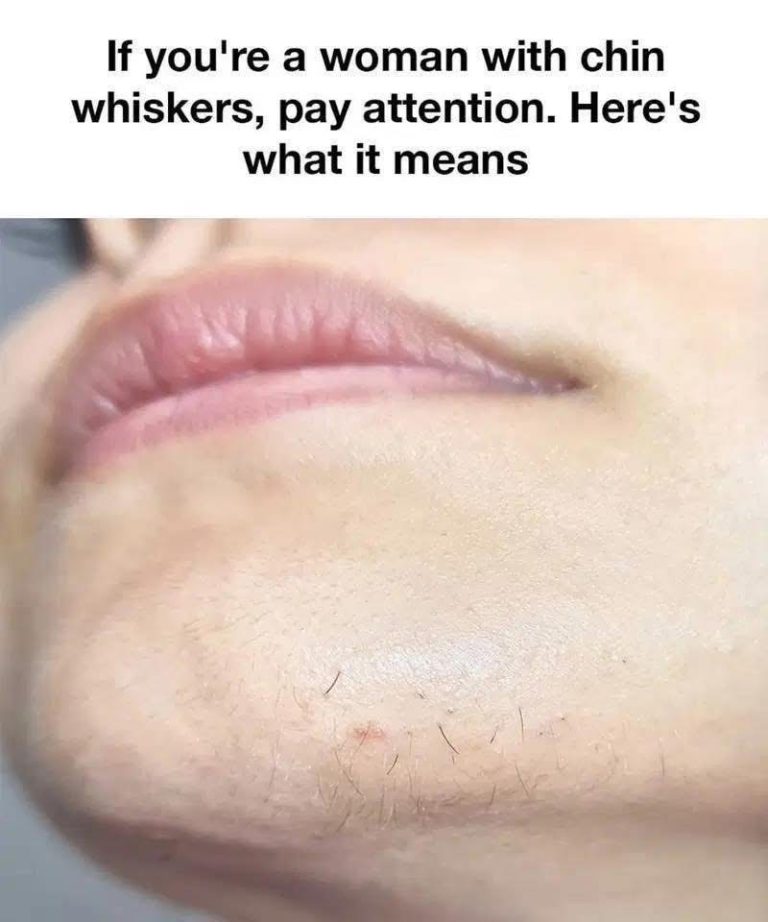
Noticing stray, coarse, or dark hairs growing on your chin or jawline is an extremely common experience for women of all ages. While finding an occasional “chin whisker” can feel surprising or inconvenient, it is rarely a cause for alarm. In most cases, facial hair growth in women is driven by natural biological processes, subtle hormonal shifts, genetic predispositions, or age-related changes.
However, when facial hair growth becomes significantly thicker, coarse, and rapidly spreading across the chin, upper lip, or neck, it may point to an underlying endocrine balance issue. In medical dermatology and endocrinology, excessive male-pattern terminal hair growth in women is referred to as hirsutism.
In this comprehensive guide, we will explore the biological mechanisms behind facial hair growth in women, examine common medical and hormonal causes, discuss diagnostic evaluations, detail health insurance and financial coverage options, and outline safe, effective grooming and dermatological solutions.
The Biology of Female Facial Hair Growth
To understand why coarse chin hairs develop, it helps to examine how hair follicles respond to circulating hormones. Human skin contains millions of hair follicles that transition between different hair types throughout life.
Vellus vs. Terminal Hair
-
Vellus Hair: The soft, fine, peach-fuzz hair that covers most of the human face and body. It provides light thermal regulation and skin protection.
-
Terminal Hair: Coarse, dark, thick, and longer hair that grows on the scalp, underarms, and pubic region.
The Role of Androgens (Male Hormones)
All women naturally produce small amounts of male hormones called androgens, including testosterone, secreted by the adrenal glands and ovaries. Facial hair follicles along the chin, jawline, and upper lip contain specialized androgen receptors. When androgen levels fluctuate or hair follicles become unusually sensitive to these hormones, delicate vellus hairs convert into thick, dark terminal chin whiskers.
+---------------------------------------------------------------------------------+
|                       VELLUS VS. TERMINAL FACIAL HAIR                           |
+--------------------------+------------------------------------------------------+
| Feature                  | Characteristics                                      |
+--------------------------+------------------------------------------------------+
| Vellus Hair              | Fine, clear/light, short, barely visible "peach fuzz"|
| Terminal Hair            | Coarse, dark, thick, deeply rooted "whisker"       |
| Key Stimulus             | Increased androgen levels or follicle sensitivity |
+--------------------------+------------------------------------------------------+
5 Common Reasons Women Develop Chin Whiskers
Understanding the underlying driver behind chin hair growth helps determine whether simple home grooming or medical evaluation is appropriate.
1. Polycystic Ovary Syndrome (PCOS)
PCOS is one of the most frequent causes of hirsutism in women of reproductive age. This endocrine condition is characterized by hormonal imbalances, irregular menstrual cycles, elevated androgen levels, and small ovarian cysts. Excess circulating testosterone directly stimulates coarse hair growth on the chin, chest, abdomen, and lower back.
2. Natural Hormonal Shifts (Perimenopause and Menopause)
As women enter perimenopause and menopause, natural estrogen levels drop significantly. While total androgen levels also decrease slightly, the ratio of estrogen to androgen changes. With less estrogen to balance circulating testosterone, chin and jawline hair follicles become relatively more exposed to androgenic stimulation, resulting in coarse chin whiskers.
3. Genetics and Family Heritage
Hair follicle density, pattern, and androgen sensitivity are strongly inherited traits. If your mother, grandmother, or sisters experienced coarse facial hair, you are statistically more likely to develop chin whiskers regardless of underlying health conditions.
4. High Stress Levels and Adrenal Health
The adrenal glands produce both cortisol (the primary stress hormone) and circulating androgens. Prolonged emotional or physical stress triggers chronic adrenal activity, which can temporarily elevate androgen production and spur sudden localized hair growth.
5. Medication Side Effects
Certain prescription medications can stimulate hair growth as a secondary effect, including synthetic steroids, specific hormonal therapies, anti-seizure drugs, and medications that alter androgen receptor sensitivity.
       [Natural Hormonal Shift / Elevated Androgen Production]
                                  │
                                  ▼
         [Activation of Androgen Receptors in Chin Follicles]
                                  │
                                  ▼
         [Conversion of Vellus Peach Fuzz to Coarse Terminal Hair]
                                  │
                                  ▼
         [Appearance of Visible Chin Whiskers / Facial Hair]
When to Consult a Healthcare Professional
While an occasional stray hair is completely normal, scheduling a medical check-up is recommended if chin hair growth is accompanied by systemic symptoms:
-
Rapid or Severe Onset: Sudden, thick facial hair growth developing over a short timeframe.
-
Irregular Menstrual Cycles: Infrequent, missed, or heavy periods that may indicate PCOS or thyroid dysfunction.
-
Severe Adult Acne: Persistent, painful cystic acne along the jawline and chin.
-
Voice Changes or Muscle Mass Shifts: Signs of virilization (excessive male physical characteristics) warrant prompt evaluation by an endocrinologist.
Health Insurance, Medical Diagnostics, and Financial Planning
Addressing sudden or extensive facial hair growth through medical evaluation ensures access to proper diagnostic testing and therapeutic management.
Navigating Healthcare and Coverage
-
Endocrine and Gynecological Consultations: Doctor visits to evaluate PCOS, thyroid issues, or hormonal imbalances are covered under standard commercial health plans and Medicare.
-
Diagnostic Blood Panels: Hormonal blood tests measuring total/free testosterone, DHEA-S, thyroid-stimulating hormone (TSH), and fasting insulin levels are standard covered diagnostic benefits when ordered for suspected metabolic or endocrine disorders.
-
Prescription Medication Coverage: Medications prescribed for hormone regulation—such as combination oral contraceptives, anti-androgens (like spironolactone), or topical eflornithine creams—are generally included under prescription insurance formularies.
Utilizing Health Savings Accounts (HSA)
-
HSA / FSA Expenses: Tax-advantaged HSA and FSA funds can be used tax-free to cover specialist co-pays, diagnostic blood tests, and physician-prescribed anti-androgen treatments.
Safe and Effective Removal Methods for Chin Hair
Whether managing stray hairs or significant hirsutism, several safe removal options exist.
+---------------------------------------------------------------------------------+
|                       FACIAL HAIR REMOVAL METHODS EVALUATION                    |
+-------------------+------------------------------------+------------------------+
| Method            | Primary Advantage                  | Longevity              |
+-------------------+------------------------------------+------------------------+
| Tweezing / Plucking| Fast and low-cost for stray hairs  | Temporary (1–3 weeks)  |
| Dermaplaning / Shaving| Quick, painless, zero root damage| Temporary (1–3 days)   |
| Laser Hair Removal| Long-term reduction on dark hair   | Long-Term / Semi-Perm  |
| Electrolysis      | Only FDA-cleared permanent method  | Permanent              |
+-------------------+------------------------------------+------------------------+
1. Tweezing and Plucking (Best for Isolated Hairs)
For an occasional stray whisker, tweezing removes the entire hair shaft from the follicle bulb. Always sanitize tweezers with rubbing alcohol and pull in the direction of natural hair growth to avoid painful ingrown hairs.
2. Facial Dermaplaning or Shaving
Facial razors trim hair flush with the skin surface quickly and painlessly. Myth Buster: Shaving does not make hair grow back thicker or darker; it simply leaves a blunt edge that feels stiffer as it initially sprouts.
3. Laser Hair Removal (Best for Dark Hair on Fair Skin)
Laser treatments target melanin (pigment) in active hair follicles, damaging the root to reduce future growth. Multiple sessions are required for optimal long-term hair reduction.
4. Electrolysis (Permanent Solution)
Electrolysis uses a tiny probe inserted into individual hair follicles to deliver a precise electrical current, destroying the growth center permanently. It works effectively on all hair colors, including gray, blonde, and coarse chin whiskers[cite: 16].
Practical Lifestyle Tips for Hormonal Harmony
Supporting your overall endocrine health can help maintain balanced hormone levels naturally.
-
Adopt a Low-Glycemic Whole-Food Diet: High insulin levels trigger the ovaries to produce excess testosterone. Eating fiber-rich vegetables, lean proteins, and whole grains helps keep blood sugar and insulin balanced.
-
Incorporate Spearmint Tea: Studies suggest that drinking two cups of organic spearmint tea daily may offer mild anti-androgen properties, helping reduce excess facial hair over time.
-
Engage in Regular Strength and Aerobic Exercise: Physical activity improves insulin sensitivity, reduces stress hormones, and supports overall metabolic wellness.
-
Manage Chronic Stress: Practice daily stress-reduction techniques like yoga, meditation, or deep breathing to minimize adrenal androgen production.
Fascinating Facts About Human Hair and Hormones
-
Follicle Count Is Fixed at Birth: Humans are born with approximately 5 million hair follicles across their entire body, and no new follicles are created after birth.
-
Spearmint Research: Clinical trials found that women with hirsutism who drank spearmint tea showed measurable reductions in free testosterone levels over a 30-day period.
-
Facial Hair Growth Rate: On average, facial terminal hair grows approximately 0.3 to 0.5 millimeters per day, or roughly half an inch per month.
-
Dormant Follicles: Hair follicles can lie dormant for months or years before being triggered into active terminal growth by shifting hormone levels[cite: 16].
Conclusion
Developing an occasional coarse chin hair is a completely natural biological occurrence experienced by millions of women worldwide[cite: 16]. Driven primarily by genetics, age-related estrogen shifts, or subtle androgen activity, stray chin whiskers are easily managed with safe home grooming or permanent dermatological solutions[cite: 16]. By understanding your body, prioritizing balanced nutrition, and consulting a healthcare professional if rapid changes occur, you can manage facial hair growth comfortably and confidently[cite: 16].
Frequently Asked Questions (FAQ)
Does plucking chin hair make more hair grow back?
No. Plucking a stray hair does not cause surrounding follicles to sprout extra hairs. However, aggressive pulling can occasionally irritate the follicle, causing temporary localized skin inflammation.
Why do chin hairs suddenly feel stiff and thick?
Chin hairs feel thick when delicate vellus hairs convert into terminal hairs under the influence of male hormones (androgens) or follicular sensitivity[cite: 16].
Can PCOS cause chin whiskers in young women?
Yes. Polycystic Ovary Syndrome (PCOS) causes elevated androgen levels, making hirsutism (coarse facial hair growth) one of its primary physical indicators in younger women.
What is the most effective permanent way to remove gray chin whiskers?
Electrolysis is the most effective permanent removal method for gray, white, or blonde chin whiskers because it does not rely on dark pigment (melanin) like laser therapy does.
Does spearmint tea really help reduce chin hair?
Clinical studies show that spearmint tea possesses mild anti-androgen properties, which can help lower circulating free testosterone and reduce excessive facial hair growth when consumed consistently.
