
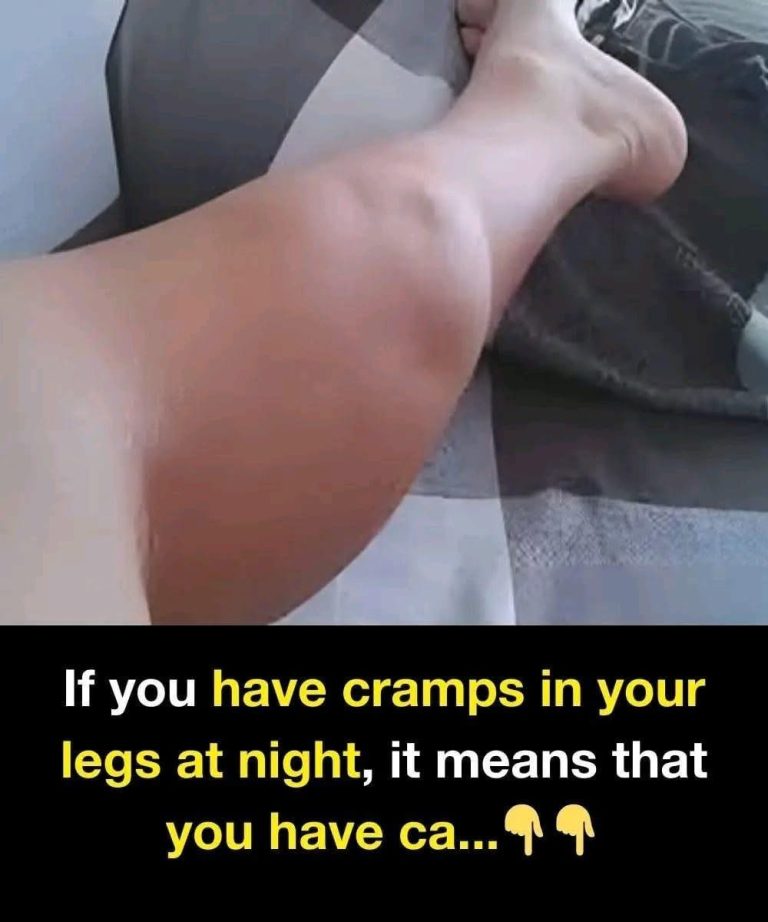
Waking up in the middle of the night to a sudden, excruciating spasm in your calf muscle or foot is an intensely painful experience shared by millions of adults. Commonly referred to as nocturnal leg cramps or “charley horses,” these involuntary muscle contractions strike without warning during rest or sleep. The affected muscle tightens into a hard, visible knot, causing severe discomfort that can linger as muscle soreness for hours or even days afterward.
While nocturnal leg cramps are frequently dismissed as a minor nuisance, persistent nighttime muscle spasms can point to underlying physiological imbalances, mineral deficiencies, circulatory factors, or nerve sensitivity. Understanding what triggers leg cramps during sleep is essential for preventing midnight wake-ups, restoring restful sleep, and safeguarding your long-term neuromuscular health.
In this comprehensive guide, we will explore the primary causes of nocturnal leg cramps, examine key mineral and electrolyte roles, outline immediate fast-acting relief techniques, discuss healthcare and insurance coverage options, and share practical preventative strategies for peaceful sleep.
What Happens During a Nocturnal Leg Cramp?
To understand why nocturnal leg cramps occur, it helps to examine how muscle contractions are governed by the nervous system. Every skeletal muscle relies on a delicate balance of electrical nerve signals and chemical electrolytes to contract and relax smoothly.
A muscle cramp occurs when motor neurons firing from the spinal cord undergo hyper-excitability, sending rapid, continuous electrical impulses to muscle fibers. This overwhelming signal forces the muscle tissue—most commonly the gastrocnemius (calf), soleus, or foot flexor muscles—into an involuntary, sustained, and painful contraction.
+---------------------------------------------------------------------------------+
|                       NOCTURNAL LEG CRAMP MECHANICS                             |
+--------------------------+------------------------------------------------------+
| Physiological Trigger    | Impact on Neuromuscular System                     |
+--------------------------+------------------------------------------------------+
| Motor Neuron Spasm       | Rapid, uncontrolled electrical signaling to muscle    |
| Sustained Contraction    | Muscle fibers lock into a hard, rigid, visible knot|
| Ischemic Localized Pain  | Restricted micro-circulation during spasm causes pain|
| Post-Cramp Tenderness    | Microscopic tissue strain leaves lingering soreness  |
+--------------------------+------------------------------------------------------+
Primary Causes of Nighttime Leg Cramps
Identifying the root driver behind your leg cramps helps you choose targeted, effective solutions.
1. Electrolyte Deficiencies: Calcium, Magnesium, and Potassium
The text prompt in many online infographics often leads to Calcium (Ca) or Calcium/Magnesium deficiencies. Minerals play critical roles in muscle physiology:
-
Calcium ($Ca^{2+}$): Essential for regulating muscle contraction and nerve signal transmission. Low serum or cellular calcium levels increase nerve cell excitability, triggering spontaneous spasms.
-
Magnesium ($Mg^{2+}$): Acts as a natural calcium channel blocker that allows muscle tissue to relax after contracting. Insufficient magnesium prevents muscle fibers from releasing their grip, resulting in prolonged cramping.
-
Potassium ($K^+$) and Sodium ($Na^+$): Maintain proper cellular fluid balance and resting membrane potential across nerve cell walls.
2. Dehydration and Fluid Imbalance
Losing water through sweating, inadequate daily intake, or overuse of diuretic medications concentrates electrolyte levels unequally across nerve boundaries, leading to spontaneous motor nerve misfires during rest.
3. Muscle Fatigue and Overexertion
Engaging in intense physical activity, standing for prolonged hours on hard surfaces, or suddenly increasing exercise intensity fatigues muscle tendons and motor units. As night falls, fatigued muscle spindles misinterpret resting stretch signals, triggering involuntary contractions.
4. Sedentary Lifestyle and Tendon Shortening
Conversely, spending long hours sitting at a desk or living a sedentary lifestyle causes calf muscles and Achilles tendons to remain in a shortened position for extended periods. When sleeping with feet extended downward (plantar flexion), the shortened calf muscle is susceptible to sudden cramping.
5. Peripheral Circulation and Vascular Health
Poor arterial circulation or chronic venous insufficiency restricts blood flow and oxygen delivery to lower limb muscles, leading to localized metabolic waste buildup that irritates sensitive nerve endings.
       [Dehydration / Mineral Deficiencies (Calcium / Magnesium)]
                                  │
                                  ▼
         [Hyper-Excitability of Lower Limb Motor Neurons]
                                  │
                                  ▼
         [Involuntary Sustained Calf / Foot Contraction]
                                  │
                                  ▼
         [Nocturnal Leg Cramp / Charley Horse Awakening]
Immediate Fast-Relief Protocol: What to Do When a Cramp Strikes
When a severe leg cramp wakes you from sleep, applying immediate physical counter-measures aborts the neuromuscular spasm rapidly.
+---------------------------------------------------------------------------------+
|                      FAST-ACTING CRAMP RELIEF MATRIX                            |
+-------------------+------------------------------------+------------------------+
| Action Step       | Mechanical Effect                  | Proper Technique       |
+-------------------+------------------------------------+------------------------+
| Dorsiflexion Stretch| Pulls muscle spindles straight    | Flex toes upward to shin|
| Weight-Bearing    | Triggers Golgi tendon organ relax  | Stand firmly on floor  |
| Warm Compression  | Increases blood circulation to area| Apply heating pad/towel|
| Gentle Massage    | Manually releases tight fibers     | Knead calf upward      |
+-------------------+------------------------------------+------------------------+
-
Perform Passive Dorsiflexion (The Shin Pull): Immediately straighten your leg and gently pull your foot and toes upward toward your shin (dorsiflexion). This manually lengthens the contracting calf muscle, forcing the nervous system to disengage the spasm.
-
Stand Up and Apply Weight: Step out of bed and stand firmly on the cold floor, placing your weight on the affected leg. Bearing weight stimulates the Golgi tendon organs, signaling the brain to shut off muscle contractions.
-
Apply Moist Heat: Place a warm heating pad, hot water bottle, or warm damp towel directly over the cramped muscle to promote localized blood flow and relax tight fibers.
-
Hydrate with Electrolytes: Sip a small glass of water containing a pinch of salt or an electrolyte drink to restore fluid balance.
Health Insurance, Specialist Care, and Financial Planning
If nighttime leg cramps occur frequently—disrupting sleep multiple nights per week—seeking professional medical evaluation ensures accurate diagnosis and rules out underlying vascular or neurological issues.
Navigating Healthcare and Coverage
-
Primary Care and Vascular Consultations: Doctor office visits to evaluate chronic leg cramps, perform blood chemistry checks, or assess lower extremity circulation are covered under major health insurance plans and Medicare.
-
Diagnostic Blood Panels: Basic metabolic panels testing serum calcium, magnesium, potassium, kidney function, and thyroid levels are standard covered diagnostic benefits when ordered by a physician.
-
Prescription Medication Coverage: If nocturnal cramps stem from restless leg syndrome (RLS), peripheral neuropathy, or severe nerve hypersensitivity, physician-prescribed treatments are covered under standard prescription formularies.
Utilizing Health Savings Accounts (HSA)
-
Tax-Advantaged Medical Expenses: HSA and FSA funds can be used tax-free to cover doctor co-pays, diagnostic blood tests, prescribed mineral supplements, compression socks, and therapeutic heating pads.
Practical Preventative Habits for Cramp-Free Sleep
Implementing targeted nightly routines reduces neuromuscular excitability and protects against painful midnight wake-ups.
-
Stretch Calves Before Bedtime: Stand facing a wall, step one leg back, press your back heel firmly into the floor, and lean forward for 30 seconds per leg before getting into bed.
-
Maintain Consistent Hydration: Drink plain water consistently throughout the morning and afternoon, ensuring your body enters sleep hours fully hydrated without needing heavy late-night drinking.
-
Incorporate Calcium and Magnesium-Rich Foods: Eat dark leafy greens (spinach, kale), almonds, seeds, yogurt, bananas, and whole grains that naturally supply vital neuromuscular minerals.
-
Optimize Sleeping Posture: Avoid sleeping with blanket covers tucked tightly over your feet, which forces feet into downward pointing positions (plantar flexion) that compress calf muscles.
-
Wear Supportive Footwear During the Day: Proper arch support prevents over-pronation, reducing mechanical strain on lower leg muscles during daytime walking.
Fascinating Facts About Human Muscles and Minerals
-
The Calcium-Magnesium Dance: Calcium acts as the “on switch” for muscle contractions, while magnesium acts as the “off switch” that allows muscle fibers to release.
-
The Origin of “Charley Horse”: The slang term “charley horse” originated in 1880s American baseball terminology to describe limping players or stiff horses.
-
Extreme Force Generation: During a severe cramp, muscle fibers contract with enough force to exceed maximum voluntary strength capacity, which explains post-cramp muscle soreness.
-
Age-Related Prevalence: Over 60% of adults over the age of 50 report experiencing occasional or regular nocturnal leg cramps[cite: 17].
Conclusion
Nocturnal leg cramps are painful, unexpected contractions driven by electrolyte imbalances (such as calcium or magnesium deficiencies), dehydration, muscle fatigue, or circulatory factors[cite: 17]. By utilizing passive stretching techniques like dorsiflexion, staying well-hydrated, consuming mineral-dense foods, and stretching before bed, you can effectively abort active spasms and prevent future occurrences[cite: 17]. Prioritizing proper sleep hygiene, footwear, and routine medical check-ups ensures peaceful, uninterrupted sleep night after night[cite: 17].
Frequently Asked Questions (FAQ)
What deficiency causes leg cramps at night?
Leg cramps are most frequently linked to deficiencies in key minerals including Calcium ($Ca^{2+}$), Magnesium ($Mg^{2+}$), and Potassium ($K^+$), alongside dehydration[cite: 17].
What is the fastest way to stop a calf cramp in bed?
The fastest way to stop a calf cramp is to immediately flex your foot upward toward your shin (dorsiflexion) and stand up to put weight on the affected leg.
Is drinking pickle juice effective for leg cramps?
Yes! Studies suggest that drinking a small shot of pickle juice triggers a neural reflex in the back of the throat that rapidly shuts off overactive motor neuron signals, relieving cramps in under two minutes.
Can high blood pressure cause leg cramps?
While high blood pressure itself does not directly cause cramps, taking certain diuretic blood pressure medications (“water pills”) can excrete excess potassium and magnesium through urine, increasing cramp risk.
When should I see a doctor for leg cramps?
You should consult a physician if leg cramps occur multiple times per week, cause extreme persistent muscle weakness, are accompanied by lower leg swelling or redness, or do not improve with basic stretching and hydration.
