
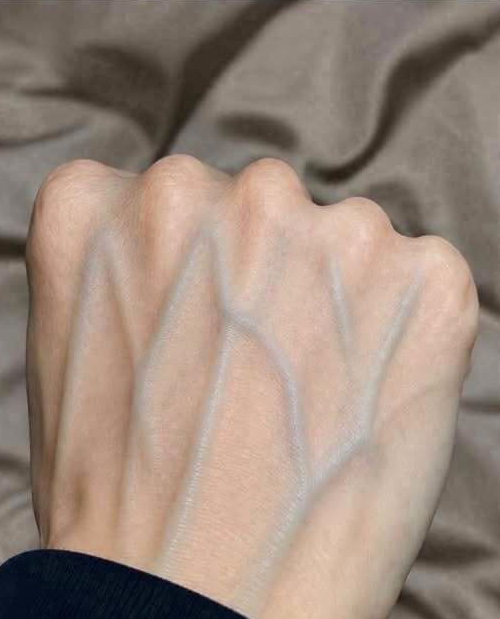
Have you ever clenched your hand into a fist or looked down at your knuckles after a workout and noticed prominent, bulging veins crisscrossing across the back of your hand? For many people, visible hand veins are a daily observation. While prominent superficial veins can sometimes look concerning, they are extremely common and usually represent a normal physiological response to movement, body composition, or temperature.
However, visible veins on the back of the hand can also raise questions about vascular health, circulation, underlying medical conditions, or aging. Understanding why your veins become more pronounced—and knowing when it signals an issue that requires medical attention—can give you peace of mind while helping you manage your overall health and well-being.
In this comprehensive guide, we will explore the biological reasons behind visible hand veins, key lifestyle factors, relevant vascular health considerations, and practical steps to maintain healthy circulation as you age.
What Causes Prominent Veins on the Back of the Hand?
Veins are responsible for returning deoxygenated blood from the extremities back to the heart. On the back of the hand, the skin is naturally thin and contains very little subcutaneous fat, making the dorsal venous network easily visible underneath the skin’s surface. Several key factors influence how pronounced these veins appear at any given time.
1. Muscle Contraction and Physical Activity
When you make a tight fist, lift weights, or engage in physical exercise, your muscles contract and expand. This physical effort increases arterial blood flow to the tissue, causing blood pressure within the local capillaries and veins to rise temporarily. As a result, veins expand and push outward against the skin, making them appear raised and distinct.
2. Body Fat Percentage and Tissue Density
Individuals with lower overall body fat percentages naturally have thinner fat padding on their hands. Without a thick layer of subcutaneous fat to buffer the space between muscle, tendon, and skin, the venous structure appears much more defined. Athletes and fitness enthusiasts frequently experience vascular prominence for this exact reason.
3. Aging and Loss of Skin Elasticity
As part of the natural aging process, the skin gradually loses collagen and elasticity, while subcutaneous fat layers naturally thin out across the body. This structural change makes the blood vessels beneath the skin far more visible over time, even during rest.
4. Warm Temperatures and Vasodilation
Exposure to high temperatures, warm baths, or hot weather causes blood vessels to dilate (widen) to help cool the body down. Vasodilation increases the volume of blood in superficial vessels, causing hand veins to swell visibly.
Vascular Health, Medical Consultations, and Insurance Coverage
While bulging hand veins are usually harmless, significant changes in vascular appearance can occasionally indicate underlying cardiovascular or venous conditions. Knowing when to seek professional medical advice is essential for long-term health management.
Understanding Venous Insufficiency and Varicose Veins
While varicose veins are far more common in the legs, venous insufficiency can occur in other peripheral limbs. Valves inside the veins are meant to keep blood flowing in one direction toward the heart. If these valves weaken or fail, blood can pool within the vessel, causing swelling, aching, or localized discomfort.
Navigating Health Insurance and Medical Specialist Consultations
If prominent veins are accompanied by pain, sudden swelling, skin discoloration, or localized heat, it is important to consult a healthcare professional. A primary care physician or a specialized vascular doctor can evaluate your circulatory health using painless diagnostic tests like a vascular ultrasound.
-
Health Insurance Coverage: Diagnostic evaluations for symptomatic vein issues (such as pain, blood clots, or chronic inflammation) are typically covered under standard health insurance plans. However, purely cosmetic procedures to reduce vein visibility are generally considered elective and may require out-of-pocket payment.
-
Consulting Legal Services: In cases where vascular issues stem from workplace injuries, repetitive stress conditions, or medical misdiagnosis, consulting legal services or a medical attorney can clarify compensation options and patient rights.
Practical Tips for Maintaining Healthy Circulation
Maintaining robust cardiovascular and venous health keeps your circulatory system functioning efficiently throughout your life. Here are daily habits that support overall vascular wellness:
-
Stay Hydrated: Drinking adequate water throughout the day helps maintain proper blood volume and prevents blood from thickening, promoting smooth circulation.
-
Incorporate Daily Movement: Regular aerobic exercise like walking, swimming, or cycling keeps blood flowing efficiently through your limbs and strengthens cardiac muscle.
-
Manage Stress and Blood Pressure: Chronic high blood pressure places extra stress on vessel walls. Practice stress management and monitor your numbers regularly.
-
Avoid Prolonged Immobility: Keeping hands and arms in one position for extended periods can slow venous return. Stretch and shake out your hands regularly during long workdays.
-
Elevate Your Hands: If your hands feel heavy or swollen after a workout or warm day, resting them above heart level for a few minutes encourages blood to drain back toward the heart easily.
Fascinating Facts About Human Veins
-
Massive Circulatory Network: If laid end-to-end, the blood vessels (arteries, capillaries, and veins) in an adult human body would span over 60,000 miles!
-
Unique Vascular Patterns: Much like fingerprints, the arrangement of veins on the back of your hand is unique to you, which is why vascular pattern recognition is used in high-security biometric systems.
-
Blue Color Illusion: Although veins often look blue or greenish through the skin, the blood inside them is dark red. The blue appearance is caused by the way different wavelengths of light pass through skin and reflect back to your eyes.
Frequently Asked Questions (FAQ)
Are prominent hand veins a sign of high blood pressure?
Not necessarily. Raised hand veins are usually caused by thin skin, low body fat, or temporary exercise-induced blood flow rather than systemic hypertension. However, if you suspect high blood pressure, consult a doctor for a proper reading.
Why do hand veins look more blue or green?
The optical properties of skin absorb longer red wavelengths of light while reflecting shorter blue wavelengths back, creating the visual perception that veins are blue or green under the skin.
Can hand veins be treated for cosmetic reasons?
Yes, dermatologists and vascular surgeons offer treatments such as sclerotherapy or laser ablation to minimize the appearance of prominent hand veins, though these cosmetic procedures are usually paid for out of pocket.
Conclusion
Visible hand veins when making a fist or working out are typically a healthy sign of active blood flow and low body fat. While aging and temperature changes naturally make veins more noticeable over time, keeping an eye on changes in your skin and blood vessels is a great way to stay proactive about your health. By prioritizing hydration, regular exercise, and routine medical checkups, you can ensure your circulatory system stays strong for years to come.
