
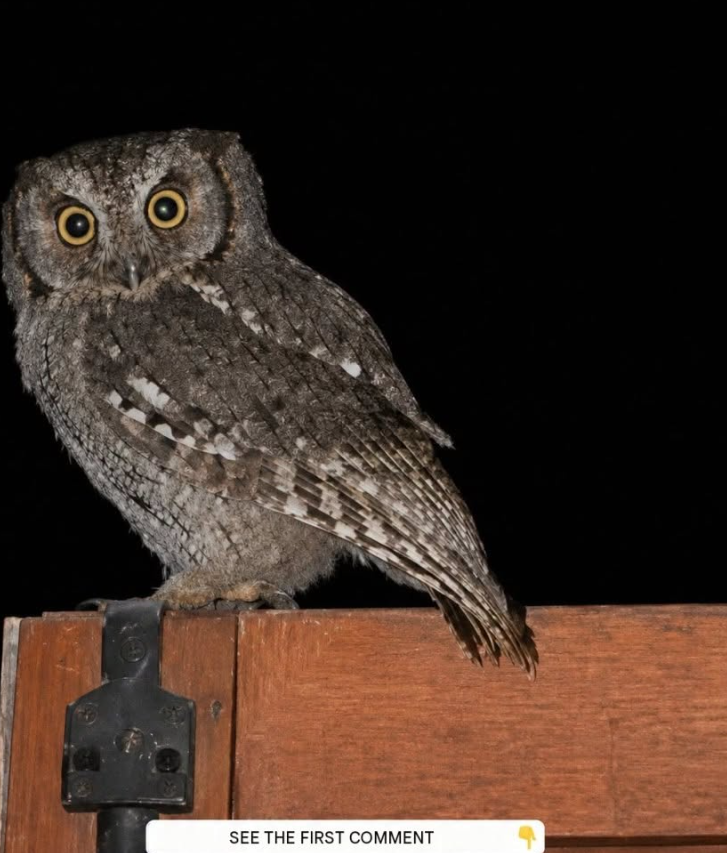
Stepping outside into the quiet night air, you might feel a sudden sense of being watched. Looking up toward a fence post or low tree branch, a pair of striking yellow eyes shines back at you through the dark. Perched quietly on a wooden shutter or beam, screech owls are master camouflage artists of the avian world, blending so seamlessly into grey bark and weathered wood that most people walk past them without ever realizing they are there.
Despite their small size, these captivating nocturnal birds of prey play a vital role in local ecosystems across North America. From urban backyards to vast forest reserves, screech owls continue to fascinate birdwatchers, wildlife photographers, and nature enthusiasts alike.
In this comprehensive guide, we will explore the natural history of screech owls, how to safely attract or protect them near your property, the financial and legal considerations around wildlife conservation on private land, and practical tips for coexisting with these magnificent birds.
Unveiling the Screech Owl: Anatomy, Behavior, and Camouflage
Screech owls (genus Megascops) are small, compact raptors known for their broad facial discs, vibrant yellow eyes, and distinctive feather patterns. Their mottled grey and brown plumage mimics natural tree bark, serving as perfect natural camouflage against predators and unsuspecting prey.
Key Characteristics of Screech Owls
-
Compact Size: Typically growing to only 6 to 10 inches in height, screech owls are roughly the size of a pint glass or a robin, making them one of the smaller owl species in North America.
-
Distinctive Vocalizations: Despite their dramatic name, screech owls rarely “screech.” Instead, they communicate through soft, trilling calls, whinnies, and gentle purrs that echo through forested neighborhoods at dusk.
-
Exceptional Vision and Hearing: Their wide, forward-facing yellow eyes are specially adapted to gather minimal night light, while asymmetrical ear placement allows them to pinpoint small prey moving in total darkness.
-
Flexible Diet: Screech owls are versatile hunters, preying on large insects, mice, voles, frogs, small birds, and earthworms.
Observing a screech owl sitting motionless atop a wooden post or nesting box offers a rare glimpse into the quiet nocturnal life thriving in our immediate surroundings.
Wildlife Protection, Property Values, and Financial Investments in Conservation
Encouraging biodiversity in your local community does more than benefit wildlife—it can also impact real estate desirability, pest control management, and eco-friendly property planning.
1. Natural Pest Control and Agricultural Savings
For homeowners and agricultural landowners, screech owls provide free, eco-friendly pest control services. A single owl family can consume hundreds of rodents during a nesting season, significantly reducing reliance on chemical pesticides or extermination services. Suppressing rodent populations naturally protects property insulation, electrical wiring, and food stores from pest damage, translating into long-term maintenance savings.
2. Real Estate, Eco-Landscaping, and Property Insurance
Incorporating native plants, bird-nesting boxes, and mature trees enhances overall property appeal and landscape value. Highlighting sustainable landscaping or certified wildlife habitats can increase market appeal for eco-conscious home buyers. Additionally, maintaining mature trees safely near structures ensures both nesting habitat for owls and lower risks of fallen branch damage during storms—an important factor when maintaining active homeowners insurance policies.
3. Conservation Grants, Investments, and Legal Regulations
Protecting migratory birds and raptors is governed by federal statutes, such as the Migratory Bird Treaty Act. It is illegal to harm, capture, or keep native screech owls without specialized permits or educational licenses. Property owners interested in large-scale land conservation can explore tax incentives, conservation easements, and government grants aimed at preserving critical forest habitats. Consulting a legal services attorney specializing in environmental law or land use can clarify how conservation easements affect land title ownership and property tax obligations.
Practical Tips for Spotting and Safeguarding Screech Owls Near Your Home
If you want to observe screech owls safely without disturbing their natural habits, follow these practical steps:
-
Install a Nest Box: Mount a wooden owl box on a mature tree or post about 10 to 15 feet off the ground in a quiet corner of your yard.
-
Eliminate Chemical Rodenticides: Avoid using rat poisons or chemical pest traps. Poisoned rodents are easily caught by owls, leading to secondary poisoning and severe health risks for adult owls and their chicks.
-
Preserve Dead Trees (Snags): Where safe to do so, leave dead tree trunks standing on your property. They provide crucial natural cavities for nesting and resting.
-
Keep Outdoor Lighting Soft: Excessive, harsh floodlights can disorient nocturnal hunters. Use motion-sensor lighting or warm, downward-facing fixtures to reduce light pollution.
-
Keep Pets Indoors at Night: Keeping domestic cats and small dogs indoors at dusk protects both pets and native wildlife during active hunting hours.
Fascinating Facts About Owls
-
Silent Flight Technology: The leading edge of an owl’s wing feathers features a soft, comb-like fringe that breaks up air turbulence, allowing them to fly in complete silence when approaching prey.
-
Fixed Eyes: Owls cannot roll or move their eyes inside their sockets. Instead, they can rotate their heads up to 270 degrees to look in almost any direction!
-
Dichromatic Plumage: Screech owls come in distinct color phases—primarily grey or rufous (reddish-brown)—allowing different populations to blend into specific tree species across various geographic regions.
Frequently Asked Questions (FAQ)
Are screech owls dangerous to pets?
Because screech owls are small (weighing only 4 to 8 ounces), they pose no threat to dogs or outdoor cats. Their diet consists almost entirely of insects, mice, and small reptiles.
How can I tell if a screech owl is living nearby?
Listen for soft, rhythmic whinnying or trilling sounds shortly after sunset, especially during late winter and early spring mating seasons. You may also spot regurgitated owl pellets near the bases of large trees.
What should I do if I find an injured owl?
If you find a grounded or injured owl, do not attempt to keep it as a pet. Place a cardboard box over the bird gently to keep it dark and calm, and immediately contact a licensed local wildlife rehabilitator or animal rescue organization.
Conclusion
Discovering a screech owl perched quietly near your home is an unforgettable experience. These quiet night hunters serve as vital indicators of a healthy, thriving ecosystem. By maintaining safe habitats, avoiding chemical poisons, and respecting local wildlife laws, we can ensure these fascinating birds continue to flourish right in our own backyards.
