
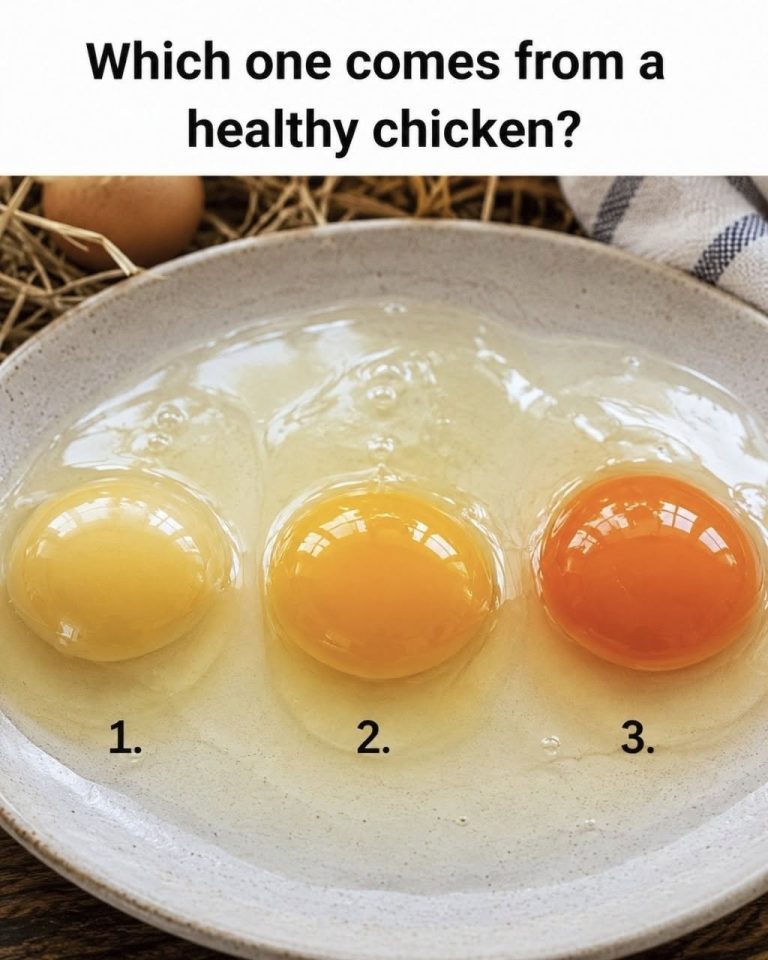
When cracking open a fresh egg into a skillet or mixing bowl, one of the first things most home cooks notice is the color of the yolk. Egg yolks can range dramatically in appearance—from a pale, light yellow to a vibrant golden hue or a deep, rich reddish-orange. This visual difference frequently triggers lively debates online and in the kitchen regarding which egg comes from the healthiest, happiest chicken.
Many consumers believe that a deep orange yolk automatically signifies superior nutritional value or better flock treatment, while a pale yellow yolk indicates a weak or unhealthy bird. However, the truth behind egg yolk pigmentation involves a fascinating mix of poultry nutrition, hen diet, seasonal foraging, and agricultural science. In this ultimate guide, we will unpack what yolk color really tells you about a chicken’s diet, evaluate the nutritional differences, and share essential tips for selecting high-quality eggs at the grocery store.
The Science of Egg Yolk Color: What Makes Yolks Change Color?
The primary factor determining the color of an egg yolk is the specific diet consumed by the laying hen in the weeks prior to laying. Unlike humans, chickens do not synthesize pigments like carotenoids internally; instead, they absorb natural pigments from their feed and deposit them directly into the developing yolk.
       [ Dietary Pigment Influence on Yolk Color ]

  PALE YELLOW (1) <-------------------------> DEEP ORANGE (3)
 (Wheat, Barley, Sorghum)                   (Alfalfa, Marigold, Insects)
                 \                        /
                  \                      /
             [ Medium Golden Yellow (2) ]
              (Standard Yellow Corn Feed)
Carotenoids and Plant Pigments
Carotenoids—the same organic antioxidants that give carrots their orange tint and tomatoes their red color—are responsible for yolk shading. When hens ingest feeds or plants rich in xanthophylls (a sub-category of carotenoids), their yolks naturally shift from soft yellow toward vibrant orange:
-
Pale Yellow Yolks (Egg 1): Typically produced by hens fed a grain diet dominated by wheat, barley, or white corn, which are naturally low in carotenoid pigments.
-
Medium Golden Yolks (Egg 2): Produced by birds fed standard commercial poultry diets consisting primarily of yellow corn and soybean meal.
-
Deep Orange Yolks (Egg 3): Produced by pasture-raised hens that forage freely on fresh green grass, clover, wild plants, and insects, or birds given feed fortified with marigold petals, alfalfa, or red pepper extract.
Does Yolk Color Equal Better Nutrition?
One of the most persistent myths in food culture is that dark orange yolks contain drastically more protein or fewer calories than lighter yolks. From a macronutrient standpoint—protein, total fat, and energy density—all three egg yolks are remarkably similar regardless of color.
Micronutrients and Antioxidant Levels
While macronutrients remain stable, there are slight micronutrient advantages associated with deeply pigmented yolks:
-
Higher Vitamin Levels: Pasture-raised hens exposed to sunlight and natural forage often produce eggs with higher levels of Vitamin A, Vitamin D, Vitamin E, and Omega-3 fatty acids.
-
Antioxidant Content: Darker yolks usually contain higher concentrations of lutein and zeaxanthin—two essential carotenoid antioxidants that support eye vision health and protect against macular degeneration.
However, it is important to note that commercial egg producers can easily alter yolk color by supplementing feed with natural marigold extracts or paprika, meaning an orange yolk alone does not guarantee a pasture-raised environment.
Key Indicators of Real Egg Quality and Freshness
Instead of relying solely on yolk shade to judge egg quality, culinary experts and food scientists look at several structural physical indicators when an egg is cracked open:
1. Albumen (Egg White) Height and Thickness
Fresh, high-quality eggs feature a firm, thick inner egg white that sits up tall around the yolk rather than spreading out thin and watery across the pan. As an egg ages, its protein structure weakens, causing the white to become runny.
2. Yolk Membrane Strength
A healthy, fresh egg boasts a strong, rounded yolk membrane (vitelline membrane) that resists breaking easily when cracked. If a yolk breaks or flattens immediately upon hitting the pan, the egg is likely older.
3. Shell Integrity and Thickness
Thick, sturdy eggshells indicate that the laying hen received proper dietary calcium and overall good care. Thin or brittle shells are more prone to micro-cracks that allow bacterial entry.
Practical Tips for Buying and Storing Eggs
Navigating egg cartons at the market can be confusing due to complex food labels. Follow these tips to select the best eggs for your household:
-
Understand Label Terminology:
-
Pasture-Raised: Hens spend their days outdoors on managed pastureland, foraging naturally for wild plants and bugs.
-
Free-Range: Birds have access to outdoor spaces, though the size and duration of outdoor access vary.
-
Cage-Free: Birds live un-caged in indoor barns but may not have access to outdoor sunlight or pasture.
-
Organic: Hens are fed certified organic feed free of synthetic pesticides and antibiotics with outdoor access.
-
-
Check the Julian Date: Look for the 3-digit Julian date (ranging from 001 to 365) printed on the side of the carton, which indicates the exact day the eggs were packed.
-
Store Properly at Home: Keep eggs inside their original paper carton on an interior refrigerator shelf where temperatures stay stable (around 35°F–38°F / 2°C–3°C), rather than in door compartments.
Agriculture, Agribusiness, and Food Quality Economics
Understanding poultry nutrition and consumer preferences is a central component of modern agricultural business and commercial farming operations. Commercial egg producers invest significant capital into precision poultry feed formulation, flock health management, and climate-controlled housing logistics to meet retail quality standards.
Furthermore, agricultural operations rely heavily on commercial financing, equipment insurance, land management leases, and supply chain logistics to maintain consistent production. For food distribution companies, grocery retailers, and agricultural businesses, aligning feed practices with transparent marketing ensures consumer trust, compliance with USDA standards, and long-term business sustainability.
Conclusion
Whether an egg yolk is light yellow, rich gold, or vibrant orange, all eggs provide a nutrient-dense source of high-quality protein and essential minerals. While deep orange yolks often reflect a diet rich in pasture forage or natural carotenoid supplements, fresh structural indicators—like thick egg whites and firm yolk membranes—are the ultimate marks of egg quality. Understanding these simple food facts empowers you to make informed, healthy choices for your kitchen table!
Frequently Asked Questions (FAQ)
Which egg yolk color is the healthiest?
Deep orange yolks typically contain higher levels of antioxidants like lutein, zeaxanthin, and Vitamin A due to a carotenoid-rich diet. However, all fresh eggs offer nearly identical protein, total fat, and calorie content regardless of yolk color.
Can farmers fake a dark orange yolk?
Yes. Commercial producers can deepen yolk color by adding natural plant supplements rich in pigments—such as marigold petal powder, alfalfa meal, or red pepper—to the hens’ feed mix without changing the birds’ housing environment.
Why is my cracked egg white runny?
Runny egg whites indicate an older egg. As eggs age over time, carbon dioxide escapes through porous shell membranes, causing the structural proteins in the egg white to break down and thin out.
What causes a blood spot inside an egg yolk?
A small blood spot on a yolk is completely safe and harmless. It simply results from a ruptured tiny blood vessel in the hen’s ovary during egg formation and does not indicate an unhealthy chicken or an unsafe egg.
