
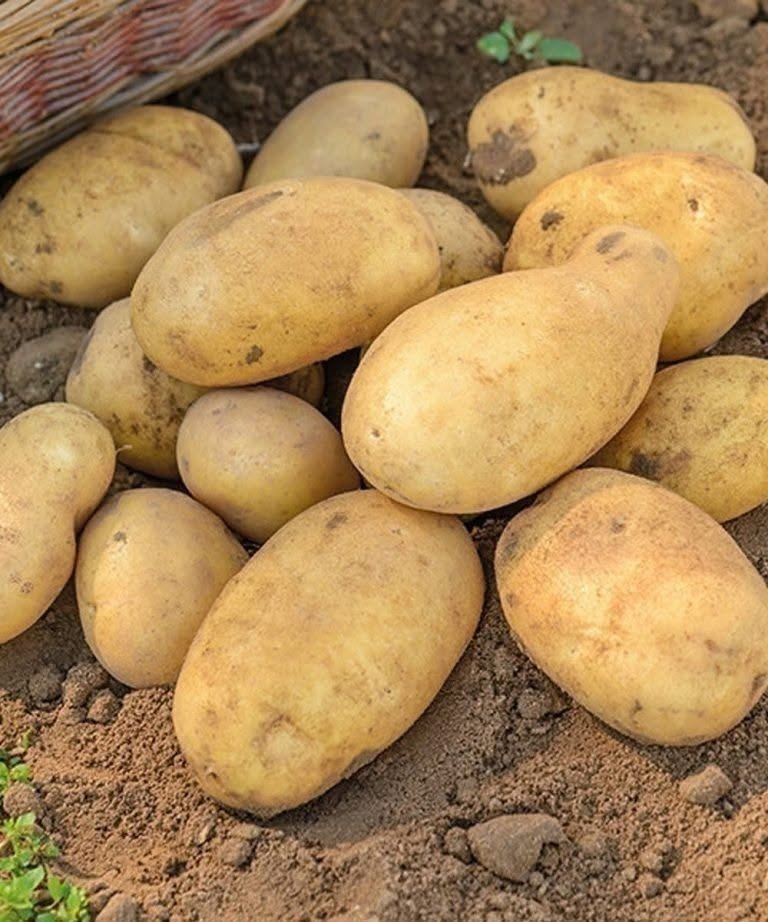
Potatoes (Solanum tuberosum) are among the most versatile, economical, and nourishing dietary staples in kitchens around the world. Whether boiled, baked, roasted, or mashed, they provide an abundant source of complex carbohydrates, essential vitamins, and dietary fiber. However, almost every home cook has experienced the frustration of reaching into the pantry only to find a bag of sprouted, soft, or green potatoes.
Improper storage conditions cause potatoes to spoil quickly, develop bitter toxins, or turn soft due to moisture loss. In this comprehensive guide, we will cover everything you need to know about extending the shelf life of raw and harvested potatoes, preventing sprouting, maintaining nutritional quality, and safely handling long-term root cellar storage.
Understanding the Science of Potato Spoilage
To keep potatoes fresh and firm for weeks or even months, it helps to understand why they decompose in home environments. Potatoes are living plant tubers that remain in a dormant biological state after harvest.
       [ Ideal Potato Storage Conditions ]

  TEMPERATURE <-------------------------> HUMIDITY
   45°F to 50°F                             85% to 90%
 (7°C to 10°C)                            (Prevents Shriveling)
                 \                        /
                  \                      /
             [ Dark, Well-Ventilated Space ]
Factors That Accelerate Potato Decay
-
Light Exposure: Exposure to sunlight or fluorescent light triggers chlorophyll production, causing the skin to turn green. This process also increases solanine, a toxic glycoalkaloid that causes a bitter taste and digestive distress.
-
Warm Temperatures: Ambient temperatures above 55°F (13°C) break the tuber’s natural dormancy, causing rapid sprouting and texture loss.
-
Excessive Cold: Storing raw potatoes in the refrigerator (below 40°F / 4°C) converts natural starches into sugars, resulting in a sweet taste and dark discoloration when cooked.
-
Moisture and Humidity Traps: Storing potatoes in sealed plastic bags traps moisture, creating an ideal environment for mold and bacterial soft rot.
The Best Places to Store Raw Potatoes at Home
Finding the right location in your home is the first step toward long-term preservation.
1. The Cool, Dark Pantry or Cupboard
A dark, dry pantry or kitchen cabinet located away from heat-generating appliances (like ovens, dishwashers, or refrigerators) provides a stable environment for short- to medium-term storage.
2. Basements and Root Cellars
For gardeners harvesting large quantities or households buying in bulk, a cool basement or dedicated root cellar is ideal. These spaces naturally maintain cooler temperatures and elevated humidity, keeping spuds fresh for up to 6 months.
3. Breathable Storage Containers
Never store fresh potatoes in sealed plastic bags. Instead, transfer them into:
-
Burlap sacks or woven mesh bags
-
Well-ventilated cardboard boxes with ventilation holes
-
Open paper bags
-
Natural wooden crates or wicker baskets
Practical Tips for Maximum Shelf Life
Implementing a few smart kitchen practices can significantly extend the life of your produce while reducing unnecessary food waste:
-
Keep Away from Apples and Onions: Never store potatoes near onions, apples, or bananas. These fruits produce ethylene gas, a natural ripening agent that causes potatoes to sprout rapidly.
-
Do Not Wash Before Storing: Moisture on the skin encourages fungal growth. Wash dirt off potatoes only right before you prepare to cook them.
-
Inspect and Sort Regularly: Check stored potatoes every week. Remove any spuds showing signs of softness, decay, or rot immediately to prevent spoilage from spreading to neighboring tubers.
-
Store Varieties Separately: Thick-skinned storage varieties (like Russets or Yukon Golds) naturally store much longer than thin-skinned young potatoes (like red or fingerling potatoes).
Cooking, Business, and Culinary Economics
Beyond home kitchens, proper potato management plays a huge role in the global agriculture and food service industries. Commercial growers, grocery distributors, and restaurant operations invest heavily in climate-controlled supply chains to prevent mass spoilage.
Efficient agricultural storage protects farm yields, stabilization of wholesale market prices, and food security. From small small-business farms to commercial distribution networks, proper post-harvest handling secures significant capital investment and supports rural economies. Furthermore, farms and food businesses often work alongside agricultural lenders, property insurance, and commercial logistics services to safeguard stored harvests against environmental losses and market volatility.
Health Benefits and Safety Considerations
Potatoes offer significant nutritional value when prepared healthily. They are rich in potassium, vitamin C, vitamin B6, and resistant starch, which supports gut digestion and steady energy levels.
How to Safely Handle Green or Sprouted Potatoes
-
Minor Sprouts: If a potato is still firm but has tiny sprouts starting to form, simply snap or carve out the sprouts with a paring knife before cooking.
-
Green Skins: Small green spots can be deeply peeled away. However, if a potato is extensively green or tastes bitter, discard it completely to avoid solanine toxicity.
-
Soft or Wrinkled Tubers: Softness indicates water loss and breakdown of internal tissue. While not necessarily toxic, their flavor and texture will be compromised.
Conclusion
Mastering the art of potato storage is simple once you control temperature, light, and airflow. By keeping your spuds in a cool, dark, well-ventilated space and separating them from ethylene-producing produce, you can keep them firm, fresh, and delicious for months. Incorporating these simple storage techniques saves money, reduces food waste, and ensures you always have versatile, high-quality ingredients ready for your favorite recipes.
Frequently Asked Questions (FAQ)
Can you store potatoes in the refrigerator?
It is generally recommended to avoid storing raw potatoes in the refrigerator. Cold temperatures convert potato starch into sugar, which alters the flavor texture and can cause unpleasant browning when fried or roasted.
How long do raw potatoes last at room temperature?
At normal room temperature (around 68°F–72°F), raw potatoes typically stay fresh for 1 to 2 weeks. In a cool, dark pantry (45°F–50°F), they can last 2 to 3 months or longer.
Why do potatoes turn green?
Potatoes turn green when exposed to light, which stimulates chlorophyll development. This light exposure also triggers the production of solanine, a natural compound that can cause bitter flavors and digestive discomfort if consumed in high amounts.
Can you freeze raw potatoes?
Raw potatoes do not freeze well because their high water content causes them to become watery and grainy upon thawing. To freeze potatoes successfully, blanch or partially cook them first before placing them in airtight freezer bags.
