
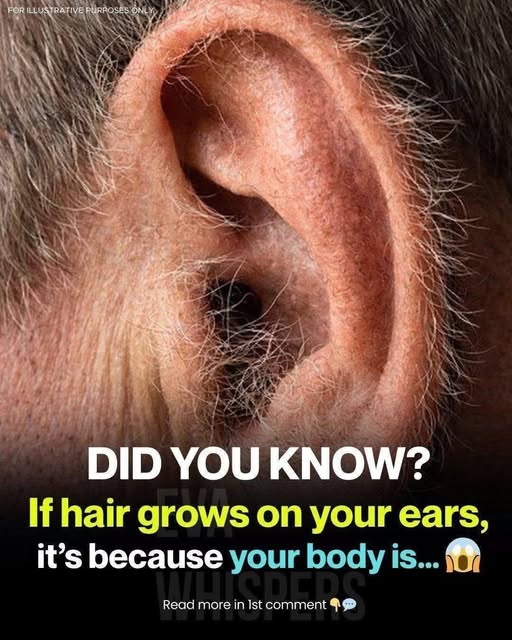
Noticing coarse, prominent hair growing on the outer edges or inside the ear canal is a common occurrence, particularly among men as they age. While often viewed simply as a cosmetic nuance, changes in ear hair texture and growth density are direct reflections of physiological shifts happening beneath the surface. From hormonal shifts to genetic traits, ear hair growth provides insight into how the body ages and responds to internal biochemistry.
Understanding the mechanisms behind ear hair growth helps demystify this natural process while highlighting practical ways to manage personal grooming safely.
Why Hair Grows on Your Ears as You Age
Hair growth across the body follows distinct hormonal signals and genetic programming. Several key factors explain why ear hair becomes more pronounced later in life.
+-------------------------------------------------------------------------------+
|                       EAR HAIR GROWTH FACTOR MATRIX                           |
+--------------------------+----------------------------------------------------+
| INFLUENCING FACTOR       | PHYSIOLOGICAL MECHANISM                            |
+--------------------------+----------------------------------------------------+
| 1. DHT Sensitivity       | Testosterone derivative lengthens follicle growth. |
| 2. Follicular Aging      | Hair follicles fail to shed, growing longer/coarser.|
| 3. Genetic Predisposition| Inherited follicle sensitivity determines density. |
| 4. Ear Canal Defense     | Fine vellus hair protects inner ear from debris.   |
+--------------------------+----------------------------------------------------+
1. Dihydrotestosterone (DHT) and Hormonal Shifts
As men age, hormonal balances shift. While scalp hair follicles can become overly sensitive to dihydrotestosterone (DHT) and shrink (leading to male pattern baldness), hair follicles in the ears and nose often respond to DHT by extending their growth cycles. This turns soft, invisible “vellus” hairs into thick, pigmented “terminal” hairs.
2. Changes in the Hair Growth Cycle
Every hair follicle goes through three phases: growth (anagen), regression (catagen), and rest/shedding (telogen). With age, the signaling pathway that tells ear hair follicles to shed becomes sluggish. As a result, individual hairs remain in the growth phase for extended periods, growing noticeably longer and coarser.
3. Genetics and Family History
Genetic factors play a major role in determining follicle sensitivity and body hair distribution. If your father or grandfather developed prominent ear hair in middle age, you carry a higher genetic probability of experiencing similar growth patterns.
4. Natural Auditory Protection
The fine hairs located at the entrance of the external auditory canal serve a protective evolutionary purpose. Together with cerumen (earwax), these hairs trap dust, foreign particles, and small insects, preventing them from reaching and damaging the delicate eardrum.
Safe Grooming and Ear Care Best Practices
Managing ear hair requires gentle care to avoid irritating the sensitive ear canal or risking ear infections.
-
Use an Electric Nose & Ear Trimmer: Rotary trimmers with rounded safety guards trim hairs quickly without pulling skin or nicking delicate tissue.
-
Avoid Waxing or Plucking Deep Canal Hairs: Plucking hairs inside the ear canal can cause micro-tears in the skin, leading to painful bacterial infections (otitis externa) or ingrown hairs.
-
Never Insert Sharp Scissors or Cotton Swabs: Inserting pointed scissors or swabs into the ear canal risks perforating the eardrum or pushing cerumen deep into the canal.
-
Consult a Professional for Heavy Growth: Barber visits or professional aesthetic appointments offer safe, controlled outer-ear trimming using specialized equipment.
Health, Financial, and Hygiene Considerations
Managing ear hair properly supports auditory health and saves money on avoidable medical visits.
Preventing Cerumen Impaction and Hearing Issues
Excessive hair deep inside the ear canal can weave together with natural earwax, creating stubborn blockages (cerumen impaction). These blockages can cause temporary hearing reduction, tinnitus (ringing in the ears), or fullness. Safe, regular trimming of outer hair keeps earwax flowing outward naturally, preventing expensive ENT specialist visits for ear flushing.
Maintaining Outer Ear Skin Health
Keeping the outer ear (pinna) clean and neatly groomed prevents oils, sweat, and debris from trapping bacteria around hair follicles, reducing the risk of painful folliculitis or skin irritation.
Fascinating Facts About Ear Hair and Human Biology
-
Hypertrichosis Pinnae Auris: The medical term for excessive hair growth on the outer ear rim is hypertrichosis pinnae auris, a trait historically studied in human genetics.
-
Dual Hair Types: The human ear features two types of hair: soft, micro-thin vellus hair covering the pinna, and coarse terminal hair that can develop on the tragus and helix over time.
-
Sensory Cilia vs. Hair Follicles: The visible hairs on the outer ear are entirely different from the microscopic “hair cells” inside the inner ear cochlea that detect sound vibrations and enable hearing.
Conclusion
Ear hair growth is a natural biological response driven by changing hormone sensitivities and genetic programming as the body ages. While its evolutionary job is to shield the ear canal from debris, modern electric trimmers provide an easy, safe way to keep ear hair neatly managed without risking infection or hearing discomfort.
Frequently Asked Questions (FAQ)
Is growing ear hair a sign of high testosterone?
Not necessarily high testosterone levels overall, but rather how sensitive your ear hair follicles are to dihydrotestosterone (DHT) as you age.
Can growing ear hair cause hearing loss?
Hair itself does not cause hearing loss, but dense hair inside the ear canal can trap earwax, causing a temporary wax blockage that muffles sound until cleaned.
What is the safest way to remove ear hair?
Using a battery-operated rotary ear and nose hair trimmer is the safest method. It cuts hairs cleanly at the surface level without pulling or piercing skin.
Does cutting ear hair make it grow back thicker?
No. Trimming hair leaves a blunt edge, which may make the stubble feel coarser temporarily, but it does not alter follicle density or actual growth rate.
