
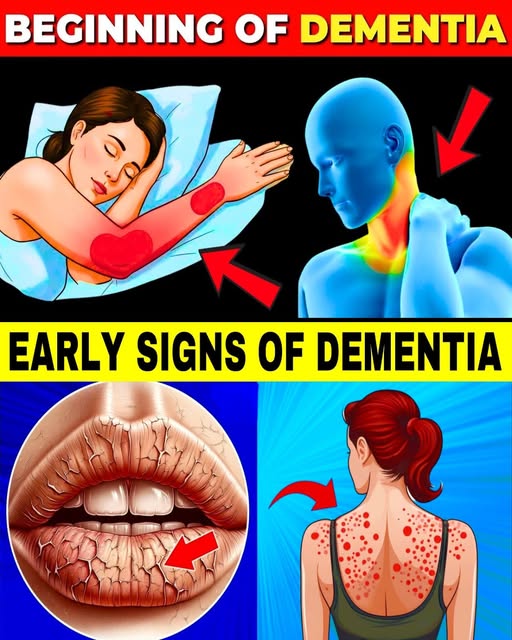
Dementia is a progressive neurological condition primarily recognized by memory loss, confusion, and cognitive decline. However, brain changes associated with neurodegenerative conditions often begin years before noticeable memory issues appear. Subtle physical shifts—ranging from sleep disturbances and unexplained body pain to changes in self-care and skin health—can serve as early indicators of underlying neurological changes.
Recognizing these physical warning signs early allows individuals and families to seek timely medical evaluation, explore lifestyle interventions, and plan proactively for overall wellness.
Early Physical Indicators Associated with Cognitive Decline
Neurological changes can affect peripheral nerves, motor regulation, and daily self-care habits, leading to distinct physical signs.
+-------------------------------------------------------------------------------+
|                       DEMENTIA PHYSICAL INDICATORS MATRIX                     |
+--------------------------+----------------------------------------------------+
| PHYSICAL SIGN            | NEUROLOGICAL / BEHAVIORAL MECHANISM                |
+--------------------------+----------------------------------------------------+
| 1. Restless Sleep & Pain | REM sleep disorder & altered brain pain processing.|
| 2. Neck & Shoulder Tension| Changes in posture, motor control & stress response.|
| 3. Dry, Cracked Lips     | Dehydration due to forgetting regular fluid intake.|
| 4. Skin Irritations      | Neglected personal hygiene & sensory changes.      |
+--------------------------+----------------------------------------------------+
1. Sleep Disturbances and Unexplained Arm or Joint Pain
Disruptions in brain pathways regulating sleep cycles can cause REM sleep behavior disorder, leading to restless movements, thrashing, or muscle discomfort during sleep. Additionally, altered brain processing can heighten sensitivity to aches and pains in joints and limbs.
2. Persistent Neck Stiffness and Muscle Tension
Early cognitive decline often affects balance, gait, and posture regulation. Increased muscle tone, neck tension, and upper back stiffness can result as the brain works harder to maintain motor control and spatial balance during daily activities.
3. Dry, Severely Chapped Lips (Dehydration Risks)
As cognitive function declines, short-term memory lapses may lead individuals to forget to drink enough water throughout the day. Chronic mild dehydration quickly manifests physically through dry, cracked lips, reduced skin elasticity, and low energy.
4. Skin Irritations and Neglected Self-Care
Mild cognitive changes can impact executive functioning and daily hygiene routines. Forgetting to apply moisturizer, skipping routine bathing, or changes in sensory perception can lead to dry skin, rashes, or minor skin irritations going unnoticed and untreated.
Health, Financial, and Medical Management Benefits
Identifying early signs of cognitive shifts plays a critical role in proactive health management and long-term care planning.
Preventing Secondary Health Complications
Addressing early symptoms like severe dehydration or skin breakdown prevents secondary issues such as urinary tract infections (UTIs) or skin infections, which can worsen cognitive confusion and require emergency medical care.
Early Intervention and Future Planning
Early detection allows families to consult with neurologists, explore FDA-approved therapies, initiate lifestyle modifications (such as Mediterranean diets and cognitive exercises), and organize legal and financial affairs with clarity.
Practical Safety and Daily Care Best Practices
-
Establish Daily Hydration Routines: Leave water bottles in easily visible locations or set gentle reminders to encourage regular fluid intake.
-
Maintain Consistent Hygiene Routines: Use simple visual checklists in bathrooms to support daily skincare, oral hygiene, and bathing habits.
-
Monitor Sleep and Physical Comfort: Keep a journal of sleep patterns and physical discomfort to share with a primary care physician during routine check-ups.
-
Schedule Regular Medical Evaluations: Seek comprehensive cognitive screenings if physical changes coincide with subtle memory or mood shifts.
Fascinating Facts About Brain Health and the Body
-
The Brain-Skin Connection: The nervous system and the skin originate from the same embryonic tissue layer (ectoderm), making skin changes a frequent reflection of neurological stress.
-
Hydration and Cognition: Even mild dehydration (1% to 2% loss of body weight in water) can measurably impair memory, focus, and brain volume balance.
-
Sleep and Brain Cleansing: During deep sleep, the brain’s glymphatic system actively flushes out metabolic waste, including beta-amyloid proteins.
Conclusion
Cognitive health involves the entire body. By staying attentive to subtle physical warning signs—such as sleep disruptions, neck tension, chronic dehydration, and skin changes—you can ensure early medical guidance, maintain optimal daily well-being, and support overall neurological health.
Frequently Asked Questions (FAQ)
Can physical symptoms appear before memory loss in dementia?
Yes. Subtle changes in sleep, balance, sensory perception, and daily habits often precede noticeable short-term memory loss by months or years depending on the type of dementia.
Why do people with early dementia get dehydrated easily?
Memory shifts and impaired thirst perception can lead individuals to forget to drink liquids regularly, making hydration monitoring an important part of care.
What should you do if you notice these early physical signs?
Schedule a comprehensive health evaluation with a primary care doctor or neurologist to review cognitive function, blood work, medication lists, and general physical health.
Can treating physical symptoms help cognitive clarity?
Yes. Resolving dehydration, improving sleep quality, and managing bodily pain can significantly improve focus, energy levels, and overall cognitive function.
