
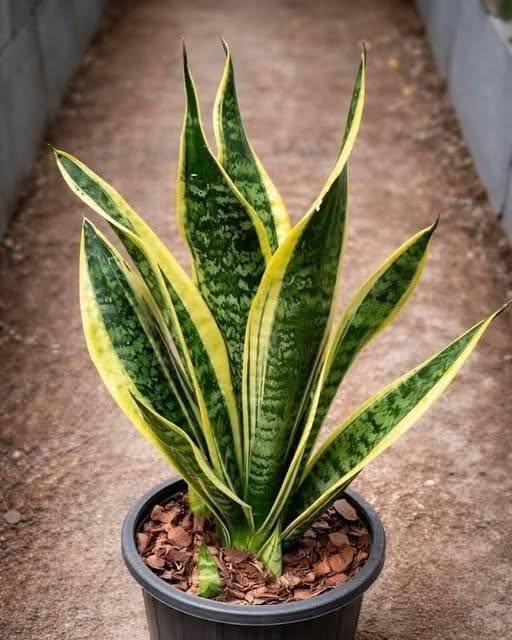
The snake plant—botanically classified as Dracaena trifasciata and formerly known as Sansevieria trifasciata—is universally celebrated as one of the most resilient, stylish, and low-maintenance indoor houseplants in the world. Widely recognized by iconic names such as Mother-in-Law’s Tongue, Viper’s Bowstring Hemp, and St. George’s Sword, this striking succulent cultivar features upright, sword-like green leaves edged with vibrant golden-yellow margins.
Whether you are a seasoned indoor gardener expanding a botanical collection or a complete beginner looking for an indestructible plant for a low-light apartment or office desk, the snake plant offers an ideal blend of aesthetic elegance and practical indoor air filtration benefits. In this comprehensive guide, we explore the science-backed health benefits of snake plants, detail complete care requirements, outline step-by-step propagation techniques, discuss home improvement budgeting, and address safety and legal pet toxicity considerations.
Why the Snake Plant Is the Ultimate Indoor Houseplant
Originating in the tropical arid regions of West Africa, snake plants have evolved exceptional biological adaptations to survive extended droughts, intense heat, and poor soil conditions. These survival adaptations make them virtually indestructible inside modern climate-controlled homes and indoor office environments.
1. Unique Crassulacean Acid Metabolism (CAM) Photosynthesis
Unlike most tropical houseplants that absorb carbon dioxide and release oxygen exclusively during daylight hours, snake plants utilize a specialized pathway known as Crassulacean Acid Metabolism (CAM). During night hours, when ambient temperatures drop and humidity rises, the plant opens its microscopic leaf pores (stomata) to absorb carbon dioxide and store it as malic acid. During the day, it keeps its stomata closed to prevent moisture loss while converting stored acid into fresh oxygen via photosynthesis. This unique night-time oxygen production makes snake plants exceptionally popular for placement in bedrooms.
2. NASA Air-Purifying Properties
The famous NASA Clean Air Study highlighted the snake plant’s ability to filter volatile organic compounds (VOCs) from indoor environments. Snake plants help absorb airborne toxins such as formaldehyde, benzene, xylene, toluene, and trichloroethylene commonly emitted by carpet synthetic fibers, fresh interior paints, household cleaners, and furniture adhesives.
Comprehensive Snake Plant Care Guidelines
While snake plants are remarkably forgiving of neglect, following proper light, watering, soil, and temperature practices keeps foliage tall, vibrant, and deep green.
1. Sunlight Requirements
Snake plants are famous for surviving in low-light conditions, making them ideal for dim hallways or windowless offices. However, for optimal growth rates and rich yellow leaf variegation, provide bright, indirect sunlight. They can tolerate a few hours of direct morning sunlight, but harsh, intense afternoon sun can scorch leaf surfaces.
2. Watering Frequency and Soil Drainage
The fastest way to kill a snake plant is overwatering. As a succulent species, its thick, fleshy leaves and fibrous rhizome roots store large reserves of water.
-
Spring and Summer (Active Season): Water thoroughly only when the top 75% to 100% of the potting soil is completely dry to the touch (typically every 2 to 3 weeks).
-
Fall and Winter (Dormant Season): Reduce watering significantly. Most snake plants only require light watering once every 4 to 6 weeks during cold winter months.
-
Potting Mix: Always use a loose, well-draining cactus and succulent soil mix containing perlite, coarse sand, or pumice to prevent moisture retention around root zones.
3. Temperature and Environmental Humidity
Snake plants thrive in standard room temperatures between $65^\circ\text{F}$ and $85^\circ\text{F}$ ($18^\circ\text{C}$ to $29^\circ\text{C}$). Protect them from cold window drafts or air conditioning vents, as temperatures below $50^\circ\text{F}$ ($10^\circ\text{C}$) cause root cellular damage. They tolerate average-to-low indoor humidity effortlessly.
Step-by-Step Guide: How to Propagate Snake Plants
Propagating snake plants is a simple, cost-effective way to multiply your houseplant collection or share healthy plant cuttings with friends and family.
Method 1: Division at Repotting (Best for Variegated Varieties)
To preserve the bright yellow outer margins of variegated cultivars (like Dracaena trifasciata ‘Laurentii’), division is the best method.
-
Gently remove the parent snake plant from its container.
-
Inspect the underground root mass to locate thick horizontal stems called rhizomes.
-
Using a clean, sharp knife or pruning shears, cut the rhizome cleanly, ensuring each separated leaf cluster includes healthy roots.
-
Repot the divided sections into fresh, dry succulent soil, waiting 5 to 7 days before applying light water to allow root cuts to callus over.
Method 2: Water Propagation from Leaf Cuttings
-
Select a healthy, mature snake plant leaf and cut it near the base using a sterile blade.
-
Slice the leaf into 3-to-4-inch horizontal segments. Make a small inverted V-notch at the bottom end of each cutting to increase root surface area and remember orientation.
-
Allow the cut ends to dry and callus in a shady area for 24 hours.
-
Place the bottom end of each cutting into a glass jar filled with 1 inch of clean water, changing the water weekly. Roots will emerge in 4 to 6 weeks!
Common Snake Plant Problems and Troubleshooting
| Symptom | Cause | Practical Solution |
| Mushy, Yellowing Leaf Bases | Overwatering leading to fungal root rot | Stop watering immediately; trim damaged roots and repot in fresh, dry soil mix. |
| Wrinkled, Pucker-Faced Leaves | Severe under-hydration or dry soil hydrophobic pockets | Give the plant a thorough bottom-watering soak until soil absorbs moisture fully. |
| Paling or Loss of Yellow Variegation | Insufficient sunlight exposure |
Move the plant closer to a bright, indirect window location. |
| Bending or Falling Stems | Lack of structural light or oversized pot retaining excess moisture |
Increase bright light exposure and downsize pot to fit root ball snugly. |
Financial Efficiency and Home Improvement Value
Incorporating living greenery into interior home decor offers clear aesthetic and financial advantages.
Cost-Effective Interior Styling
Indoor plants are among the most budget-friendly ways to style residential spaces, vacation rentals, and corporate offices. A single durable snake plant housed in a stylish ceramic or terracotta container serves as a long-lasting architectural design element that elevates property appeal without requiring costly professional renovations.
Long-Term Longevity and Low Replacement Costs
Because snake plants tolerate environmental neglect, they rarely require replacement compared to delicate flowering plants or high-maintenance tropicals. This saves homeowners and property managers money on recurring botanical decor expenses.
Safety, Pet Toxicity, and Legal Considerations
While snake plants provide excellent aesthetic and environmental value, plant owners must keep safety guidelines in mind.
Pet Toxicity (ASPCA Compliance)
Snake plants contain naturally occurring chemical compounds called saponins. According to the American Society for the Prevention of Cruelty to Animals (ASPCA), snake plants are toxic to cats and dogs if ingested. Consuming leaf tissue can trigger oral irritation, salivation, nausea, vomiting, and diarrhea. Always place snake plant pots on elevated plant stands, shelves, or tables out of reach of curious household pets.
Consumer Protection and Product Guarantees
When purchasing rare or variegated snake plant cultivars online or from commercial nurseries, check vendor guarantees and plant health policies. Commercial plant sellers must comply with agricultural shipping regulations and state nursery licensing laws to prevent the spread of soil-borne pests or invasive agricultural pathogens.
Fascinating Facts About Snake Plants
-
Historic Bowstring Fiber: In ancient West Africa, the strong, resilient leaf fibers of Dracaena trifasciata were harvested and woven into high-tensile bowstrings, ropes, and traditional cordage.
-
Flower Blooms in Stress: While rare indoors, a mature snake plant subjected to mild root-bound stress may occasionally produce a central spike covered in sweet-scented, tubular cream flowers that secrete honeylike nectar!
-
Architectural Stature: In optimal wild environments, mature snake plant leaves can reach heights of up to 8 to 12 feet tall!
-
Symbolic Feng Shui: In traditional Feng Shui design, snake plants are believed to absorb negative energy and safeguard households when placed near entrances or home office spaces.
Conclusion
The snake plant is a true classic of the houseplant world, combining striking architectural beauty with night-time oxygen production and minimal care demands. By providing bright indirect light, using well-draining succulent soil, and allowing the potting mix to dry completely between waterings, you can keep your snake plant healthy, vibrant, and growing for decades to come. Bring a snake plant into your home or bedroom to enjoy beautiful living decor and cleaner air!
Frequently Asked Questions (FAQ)
1. Is it safe to keep a snake plant in the bedroom?
Yes! Snake plants use CAM photosynthesis, meaning they absorb carbon dioxide and release fresh oxygen at night. This makes them one of the absolute best plants for bedroom nightstands and indoor spaces.
2. How often should I fertilize my snake plant?
Snake plants are light feeders. Apply a diluted, balanced liquid houseplant or succulent fertilizer once in spring and once in mid-summer. Avoid fertilizing during fall and winter when plant growth naturally slows down.
3. Why are the tips of my snake plant leaves turning brown and dry?
Brown, crispy tips are usually caused by low ambient indoor humidity, underwatering, or excessive mineral salts from tap water. Trim the dry tip carefully using a clean shear, following the natural point of the leaf.
4. How do I know if my snake plant needs a larger pot?
Snake plants actually prefer being slightly root-bound in smaller containers. Repot only when roots begin pushing out of bottom drainage holes or when thick underground rhizomes visibly stretch or crack plastic pots (typically every 2 to 3 years).
5. Are snake plants toxic to humans?
Snake plant leaves contain saponins, which cause mild gastrointestinal upset, nausea, or mouth numbness if swallowed by humans. Keep plants away from young children and ensure leaves are not ingested.
