
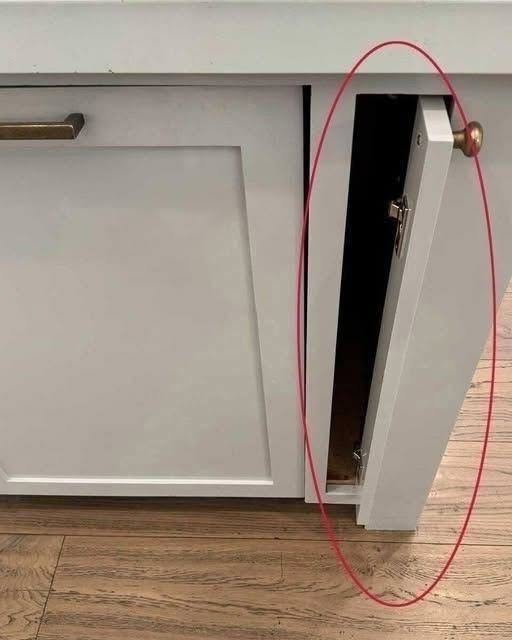
When designing or upgrading a kitchen, maximizing every square inch of usable space is a top priority for homeowners, interior designers, and custom cabinet makers alike. Traditional kitchen cabinetry often leaves dead space in corner fillers, decorative side columns, and outer island end panels. However, modern custom kitchen cabinetry features a clever hidden feature that converts these unused voids into functional storage solutions: the hidden side-panel cabinet door.
Blending seamlessly into the decorative trim or side panel of a kitchen island or base cabinet, these concealed compartments offer accessible storage without disrupting the overall aesthetic of your kitchen layout.
What Is a Hidden Side-Panel Cabinet?
A hidden side-panel cabinet is a narrow, concealed storage compartment integrated directly into the end cap or decorative filler panel of kitchen cabinetry.
+-------------------------------------------------------------------------------+
|                      HIDDEN CABINET DESIGN & FUNCTION MATRIX                  |
+--------------------------+----------------------------------------------------+
| FEATURE                  | PRIMARY BENEFIT & DESIGN APPLICATION               |
+--------------------------+----------------------------------------------------+
| Flush Concealed Door     | Blends invisibly into surrounding end-panel trim.   |
| Touch Latch / Small Knob | Easy push-to-open or discreet access.              |
| Vertical Slim Profile    | Utilizes dead space in island end posts & fillers.  |
| Specialized Storage      | Ideal for cutting boards, baking sheets, & spices. |
+--------------------------+----------------------------------------------------+
1. Converting Dead Space into Usable Storage
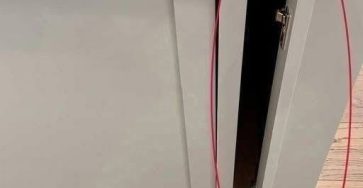
Standard kitchen island framing often leaves empty hollow cavities within decorative end columns, waterfall edges, or outer structural legs. Installing a narrow, hinged door converts an otherwise wasted architectural footprint into functional storage space.
2. Maintaining Clean Visual Aesthetics
Unlike traditional cabinet doors with prominent hardware and visible frames, concealed side panels maintain seamless sightlines across the kitchen island. Guests see a smooth, decorative panel, while homeowners enjoy instant access to everyday essentials.
Best Items to Store in Hidden Kitchen Island Compartments
Because these side compartments are typically narrow and vertical, they are exceptionally well-suited for specific types of kitchen tools and household items.
1. Slender Kitchen Tools and Accessories
-
Cutting Boards and Serving Trays: Tall, slim side compartments provide perfect vertical slots to slide cutting boards, charcuterie boards, and metal baking sheets upright without cluttering main drawers.
-
Spice Racks and Oil Bottles: Equipped with narrow internal shelving or pull-out wire racks, these side panels serve as convenient spice organizers right next to cooking zones.
-
Kitchen Towels and Aprons: Adding small interior hooks transforms the space into a hidden hanging station for hand towels, oven mitts, and cooking aprons.
2. Home Safety and Everyday Convenience Items
-
Fire Extinguishers and First Aid Supplies: Stashing an emergency fire extinguisher inside an island end panel ensures rapid accessibility during cooking emergencies while keeping it safely hidden from view.
-
Cleaning Supplies: Paper towel rolls, disinfectant sprays, and microfiber cloths fit neatly inside side compartments for quick mealtime cleanups.
Financial, Home Value, and Renovation Advantages
Integrating custom storage innovations into kitchen designs provides tangible benefits beyond simple organization, boosting long-term property value and home efficiency.
Boosting Resale Value and Buyer Appeal
Custom organizational features are major selling points in residential real estate. Prospective home buyers frequently look for smart storage solutions, custom woodworking details, and efficient kitchen layouts. Highlighting clever concealed compartments during home tours creates a memorable impression that sets a property apart in competitive housing markets.
Maximizing Kitchen Ergonomics and Workflow Efficiency
A well-organized kitchen reduces meal preparation time, prevents countertop clutter, and protects expensive cookware from damage caused by overcrowding in standard cabinets. Optimizing kitchen storage eliminates the need for bulky external storage units, keeping living areas open and functional.
Practical Tips for Installing Hidden Storage in Your Kitchen
-
Choose Push-to-Open Latches: Eliminate external knobs or handles by installing magnetic push-latches (touch latches) to keep the exterior panel completely flush and seamless.
-
Measure Depth and Clearance Carefully: Ensure adjacent walkways, refrigerator doors, or dining chairs do not block the swing clearance of the side compartment door.
-
Utilize Adjustable Shelving: Install adjustable shelf tracks inside narrow side compartments to customize interior height for various items over time.
-
Match Exterior Trim and Finishes: Ensure the concealed door matches the exact paint color, wood grain, and molding profile of the primary kitchen cabinetry.
Fascinating Facts About Hidden Architecture
-
Historical Secret Passages: Secret compartments in furniture and cabinetry date back centuries, originally designed in 17th-century European furniture to protect jewelry, legal deeds, and personal correspondence.
-
The Rise of “Toe-Kick” Drawers: Beyond side-panel cabinets, modern kitchen designers also utilize the empty space underneath base cabinets (the toe-kick) to install shallow pull-out drawers for pet bowls and flat tray storage.
-
Ergonomic Kitchen Triangle: Hidden island storage allows home cooks to place frequently used preparation items directly within the primary “kitchen work triangle” (the path between the sink, refrigerator, and stovetop).
Conclusion
The hidden side-panel compartment in kitchen islands is a prime example of smart, space-saving architectural design. By transforming empty structural voids into sleek, functional storage, homeowners can eliminate countertop clutter, keep kitchen essentials organized, and add a touch of custom luxury to their home.
Frequently Asked Questions (FAQ)
What is the hidden side panel on a kitchen island called?
It is commonly referred to as a hidden side-panel cabinet, end-cap storage compartment, or concealed filler cabinet.
Can hidden side cabinets be retrofitted into existing kitchen islands?
Yes. If your kitchen island features hollow decorative end panels or wide filler posts, a skilled carpenter or cabinet maker can modify the panel and install concealed hinges to create functional storage.
What hardware works best for concealed cabinet doors?
Hidden European-style concealed hinges combined with magnetic push-to-open latches (touch latches) work best, as they keep the exterior face completely smooth without requiring visible handles.
Are hidden side cabinets expensive to build?
Including concealed side panels during a custom kitchen build adds minimal extra cost compared to the valuable storage space gained, making it one of the most cost-effective custom cabinetry upgrades.
