
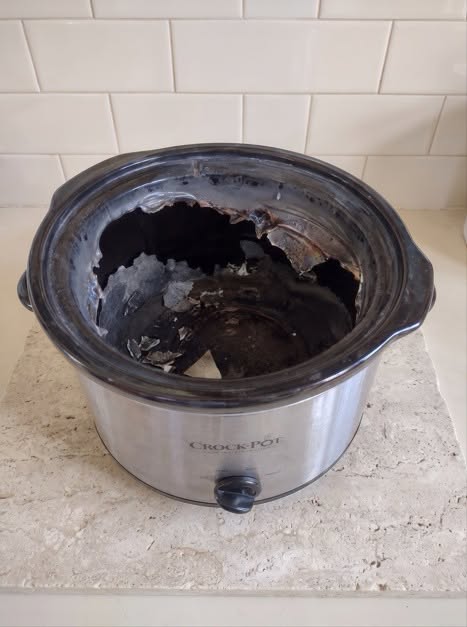
Slow cookers—often universally referred to by the brand name Crock-Pot—are among the most popular and convenient appliances in modern kitchens. Designed for effortless, “set-it-and-forget-it” cooking, these countertop electronics allow busy families to prepare hearty soups, stews, and roasts with minimal hands-on time. However, despite their reputation for high reliability and ease of use, slow cookers can suffer catastrophic failures, plastic meltdowns, or thermal shock damage if essential safety guidelines are ignored.
Understanding how slow cookers operate, recognizing critical user errors, and practicing proper kitchen maintenance can prevent dangerous kitchen fires, personal property damage, and costly appliance replacements. In this comprehensive home safety and appliance guide, we will analyze what causes slow cooker disasters, explore thermal integrity, review home insurance implications, and outline practical safety steps every cook should follow.
What Causes a Slow Cooker to Melt or Explode?
Slow cookers consist of two primary separate components: the outer heating base unit (which contains electrical heating elements and metal housing) and a removable inner stoneware or ceramic crock liner designed to hold the food. Severe accidents occur when users mistake how these two components interact.
1. Placing Plastic Liners or Utensils Directly on Heating Elements
One of the most frequent causes of total slow cooker destruction is placing a plastic container, plastic liner, or non-heat-resistant bowl directly into the outer heating base without using the heavy ceramic crock insert. The raw heating element surrounding the inner metal walls reaches temperatures capable of instantly melting thin plastics, triggering heavy toxic chemical fumes and potential electrical fires.
2. Extreme Thermal Shock (Ceramic Cracking)
Slow cooker inserts are crafted from thick stoneware, ceramic, or porcelain. While excellent at retaining heat, these materials are vulnerable to thermal shock—a rapid temperature differential that causes materials to expand or contract unevenly and shatter.
-
Cold Liquid in Hot Stoneware: Pouring cold water or broth directly into a piping hot ceramic crock can cause immediate hairline fractures or explosive shattering.
-
Stovetop or Oven Misuse: Placing a ceramic slow cooker insert directly over an open gas flame or electric stovetop burner exceeds designed heat distribution, resulting in catastrophic cracks.
3. Electrical Failure and Outdated Wiring
Older appliances or units with frayed electrical cords, damaged control knobs, or internal wiring shorts can overheat rapidly. Operating a damaged electrical unit unattended significantly increases fire hazards.
Home Insurance, Property Safety, and Legal Considerations
Major kitchen appliance failures carry significant financial, property, and personal liability implications.
Property Damage and Homeowners Insurance
A severe appliance fire or plastic melting disaster can cause heavy smoke damage, ruined countertop surfaces, and structural harm to kitchen cabinetry.
-
Filing Claims: Standard homeowners insurance policies generally cover accidental fire and smoke damage caused by malfunctioning home appliances. However, insurance adjusters investigate whether the fire resulted from a manufacturing defect or gross negligence.
-
Preventative Maintenance: Documenting high-value appliances and maintaining updated home safety equipment (such as kitchen fire extinguishers and working smoke detectors) ensures your property insurance claims remain fully protected.
Product Liability, Recalls, and Legal Services
If a slow cooker fails catastrophically due to an unannounced manufacturing flaw or faulty thermal fuse despite correct usage, consumers may have legal recourse.
-
Checking Appliance Recalls: Government regulatory databases (such as the Consumer Product Safety Commission) regularly list recalled electrical appliances.
-
Seeking Legal Counsel: In cases where defective home products cause severe structural damage or physical injury, consulting legal services specializing in product liability ensures fair compensation from manufacturers or warranty providers.
Practical Checklist for Safe Slow Cooking
To ensure your home remains safe while enjoying delicious home-cooked meals, follow these mandatory slow cooker safety rules:
-
Always Use the Correct Ceramic Insert: Never cook food directly inside the metal outer heating base, and never place plastic containers or liners directly against naked heating elements.
-
Inspect Cords and Knobs: Regularly check the power cord for cracks, fraying, or melted insulation. Discard and replace any appliance showing exposed electrical wiring.
-
Keep Space Clear Around the Base: Always place your slow cooker on a hard, flat, heat-resistant surface (such as granite, tile, or stone counters) away from flammable wall curtains, paper towels, or wooden cabinets.
-
Avoid Sudden Temperature Jumps: Never add frozen meats or ice-cold liquids directly into a pre-heated ceramic crock, and never place a hot crock into cold water to soak until it has cooled completely to room temperature.
-
Unplug When Not in Use: Always disconnect the power plug from wall outlets when cooking is complete or when leaving the home for extended periods.
Interesting Facts About Slow Cookers
-
Invented for Sabbath Cooking: The modern slow cooker was inspired by the Naxon Beanery, invented by Irving Naxon in the 1930s to allow traditional Jewish Sabbath meals (cholent) to cook slowly overnight without breaking religious work restrictions.
-
Energy Efficiency: Despite running for 6 to 8 hours continuously, a typical slow cooker uses less electrical energy than a standard electric oven operating for just one hour, making it an eco-friendly cooking choice.
-
Low Thermal Wattage: Slow cookers typically operate at relatively low power ratings—between 75 to 300 watts—relying on heavy insulation and tight-fitting lids to build internal cooking heat over time.
Conclusion
Slow cookers are incredibly helpful kitchen workhorses, but respecting their physical and electrical limits is vital for home safety. By understanding the dangers of thermal shock, avoiding plastic placement errors, maintaining clear kitchen spaces, and monitoring electrical cords, you can prevent dangerous appliance meltdowns. Taking simple safety precautions ensures your home stays protected while enjoying warm, nutritious meals every day.
Frequently Asked Questions (FAQ)
1. Is it safe to leave a slow cooker running while at work or sleeping?
Yes, modern slow cookers are designed for safe long-term operation. However, you should always place the unit on a heat-resistant surface, keep clear of flammable items, ensure your home smoke detectors are functional, and inspect the electrical cord before leaving it unattended.
2. Can you use plastic slow cooker liners safely?
Plastic slow cooker liners specifically manufactured from heat-resistant food-grade materials are safe only when used inside the ceramic stoneware crock. They should never come into direct contact with the bare metal heating base.
3. What should I do if my slow cooker insert cracks while cooking?
Turn off and unplug the appliance immediately. Transfer the food into a safe pot to finish cooking on a stovetop if it is uncontaminated by ceramic or glass shards. Never attempt to glue or repair a cracked ceramic slow cooker insert, as heat and moisture will break down adhesives and release toxic chemicals into food.
