
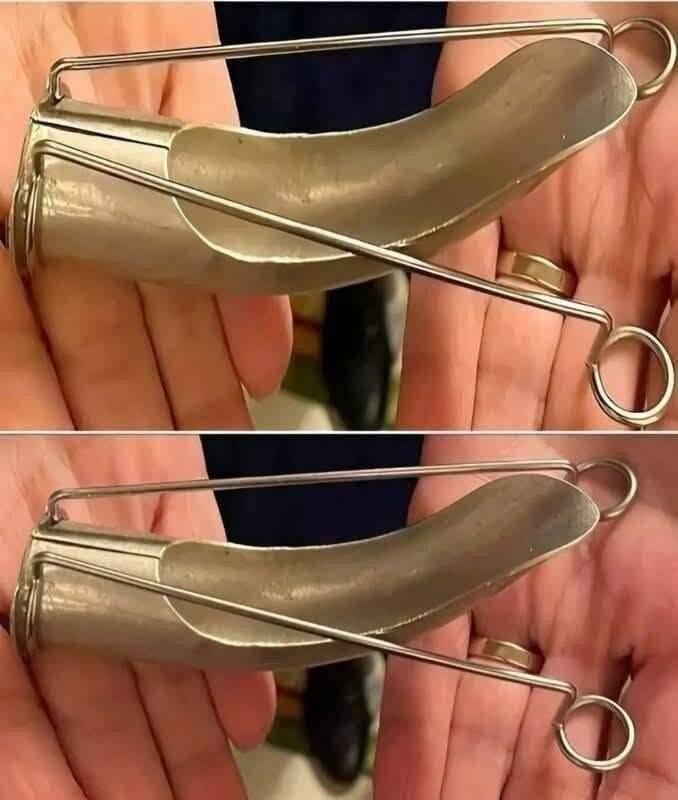
When exploring antique shops, estate sales, or inherited kitchen drawers filled with vintage utensils, you will likely encounter mysterious metal contraptions that seem completely baffling at first glance. Before the era of frozen pre-packaged vegetables and modern electric food processors, home cooks relied on ingenious, specialized manual gadgets to speed up daily meal preparation. Among these clever devices, the vintage metal hand-operated pea sheller stands out as a classic example of early 20th-century kitchen design.
While today’s home chefs can buy fresh or frozen shelled peas effortlessly at any local grocery store, generations past spent endless autumn and summer afternoons painstakingly shelling hundreds of fresh pea pods by hand. In this comprehensive guide, we will explore the history, mechanics, practical benefits, and valuation of vintage metal pea shellers, along with valuable insights on home budgeting and kitchen antique collections.
What Is a Vintage Handheld Pea Sheller?
A handheld metal pea sheller is a compact, spring-action mechanical device specifically engineered to split open fresh pea pods and pop out the peas without crushing them. Crafted typically from nickel-plated brass, stainless steel, or lightweight aluminum, these tools featured curved metal troughs, wire leverage arms, and precise tension springs designed to fit comfortably in the human hand.
How the Mechanism Works
The design of a manual pea sheller relies on simple leverage and controlled pressure:
-
The Guide Trough: The curved metal channel holds the individual pea pod securely in alignment.
-
The Wire Squeeze Arm: A hinged wire lever or spring-loaded mechanism applies targeted pressure directly along the seam of the pod.
-
The Splitting Action: As the user squeezes the wire loop handles together, the tool pinches the tip or seam of the pod, causing it to snap open cleanly and eject the tender peas directly into a bowl below.
The History of Kitchen Efficiency in American Homes
To understand why specialized tools like the hand pea sheller were created, one must examine life in early 20th-century households. Before commercial freezing technologies and globalized supply chains made preserved produce available year-round, rural and suburban families cultivated large home gardens.
Harvesting fresh garden peas required immediate processing before their natural sugars converted into tough starches. A family preparing several pounds of peas for canning or dinner faced hours of dull, repetitive thumb work that often left fingers sore and raw. Inventors filed dozens of patents for tabletop clamp-on shellers, hand-crank roller mechanisms, and pocket-sized handheld splitters between the 1890s and 1940s to make farm-to-table food prep faster and less painful.
The Shift from Manual Tools to Convenience Foods
Following World War II, the rapid growth of modern supermarkets, residential refrigeration, and commercially frozen foods drastically altered kitchen habits. Mass-produced frozen green peas—pioneered by flash-freezing technology—became affordable and widely available. As a result, specialized manual gadgets like handheld pea shellers transitioned from indispensable daily workhorses to forgotten relics tucked away in attic trunks and antique shops.
Benefits of Using Traditional Kitchen Gadgets Today
While buying pre-shelled produce is convenient, reclaiming and using vintage mechanical tools offers distinct culinary and lifestyle advantages for modern households.
1. Superior Taste and Peak Nutrition
Freshly shelled garden peas possess a crisp sweetness and delicate texture that mass-processed frozen or canned alternatives simply cannot match. Processing your own fresh produce at peak harvest ensures maximum vitamins, minerals, and flavor retention.
2. Durability and Sustainability
Unlike modern plastic kitchen tools that easily crack or break, vintage metal gadgets were built to last for generations. Made from solid metals with minimal moving parts, they require zero electricity, generate no plastic waste, and function perfectly during off-grid living or power outages.
3. Therapeutic and Family-Friendly Cooking
Engaging in traditional hand prep—such as shelling peas or peeling fruit—turns cooking into a mindful, tactile activity. It provides a wonderful opportunity to involve children or grandchildren in meal prep, teaching them where real food comes from.
Care, Restoration, and Collection Value of Antique Metal Tools
If you discover an authentic vintage metal pea sheller or purchase one at a flea market, proper maintenance is essential to preserve its appearance and function.
Cleaning and Sanitizing Metal Utensils
-
Avoid Harsh Abrasives: Do not use heavy steel wool or harsh chemicals on plated metal items, as this can strip protective nickel or tin coatings.
-
Hand Wash and Dry Thoroughly: Wash with mild dish soap and warm water, using a soft brush to clean hard-to-reach crevices. Dry immediately with a soft cloth to prevent spot corrosion or surface oxidation.
-
Apply Food-Safe Mineral Oil: A light coating of food-grade mineral oil on hinged joints keeps springs moving smoothly and protects metal surfaces from moisture damage in humid climates.
Market Value and Collectibility
For antique enthusiasts, small metal kitchen accessories represent an affordable and fascinating niche. Common mid-20th-century metal pea shellers typically sell for $15 to $35 depending on condition. Rare, early patented models featuring original manufacturer stamps, intact wooden trim, or original box packaging can fetch $75 or more at specialty auctions.
Smart Home Budgeting, Financial Planning, and Sustainable Living
Incorporating home gardening, scratch cooking, and vintage tool reuse aligns seamlessly with modern financial management strategies.
Lowering Household Food Expenses
Growing your own seasonal produce and utilizing long-lasting preparation tools helps reduce grocery store spending. Reallocating everyday savings from food budgets into high-yield savings accounts, retirement funds, or diversified investments contributes to long-term financial security and debt reduction.
Protecting Household Belongings and Property
Valuable antiques, historic kitchenware collections, and home improvements deserve proper insurance protection. Ensuring your homeowner or tenant insurance policies adequately cover unique household possessions provides peace of mind against unexpected home damage or theft.
Interesting Facts About Green Peas and Vintage Shellers
-
Ancient Crop History: Green peas are among the oldest cultivated crops in human history, with agricultural evidence dating back over 8,000 years to the Fertile Crescent.
-
Thomas Jefferson’s Passion: Founding Father Thomas Jefferson was an avid gardener who grew over 30 varieties of English peas at his Monticello estate and held an annual contest with neighboring farmers to see who could bring the first bowl of fresh peas to the dinner table.
-
Mechanical Innovation: The largest industrial pea shellers used in modern commercial agriculture operate using massive rotating mesh cylinders (vines) that beat and split thousands of pods per minute.
Conclusion
The vintage metal hand pea sheller is a remarkable testament to early domestic engineering, turning a tedious kitchen chore into a fast, effortless task. Far from being simple junk, these durable metal gadgets reflect a rich history of culinary self-reliance, smart design, and timeless craftsmanship. Whether you are an antique collector, a home gardener, or simply curious about historic kitchen gadgets, appreciating these unique tools connects us to the practical heritage of home cooking.
Frequently Asked Questions (FAQ)
1. Can a vintage metal pea sheller be used for all types of beans?
Handheld pea shellers are designed primarily for round, pliable green garden peas or sweet peas. They may work on small black-eyed peas, but they are generally too small for larger, tough-podded legumes like broad fava beans or lima beans.
2. How do I know if a vintage metal kitchen tool is safe to use with food?
Inspect the metal surface carefully for heavy rust, chipping lead-based paints, or peeling toxic coatings. Solid stainless steel, aluminum, or food-safe nickel-plated brass tools in good condition are safe to use after thorough washing and sanitizing.
3. What is the easiest way to shell large quantities of peas without a tool?
If you do not have a sheller, blanching fresh pea pods in boiling water for 30 to 45 seconds followed immediately by an ice bath softens the pod seams, allowing you to pop the peas out quickly by hand.
