
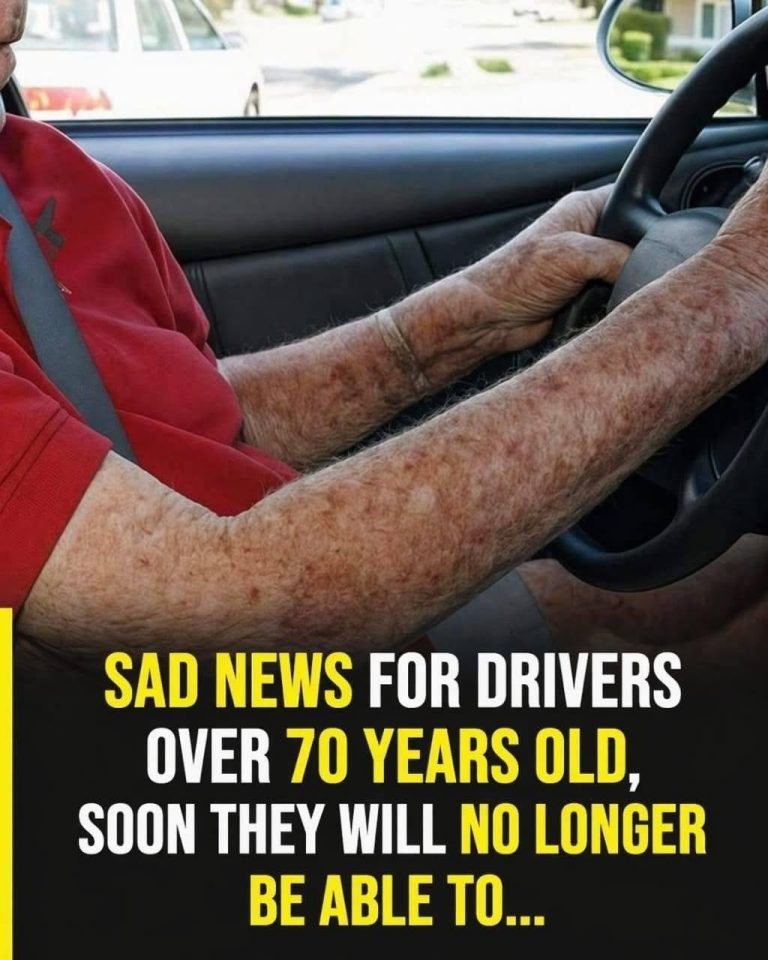
Driving represents independence, freedom, and self-reliance at any age. For senior citizens, having a driver’s license is vital for staying connected to family, managing everyday errands, attending medical appointments, and enjoying retirement. However, viral social media posts regularly share alarming headlines claiming that drivers over 70 years old will soon face blanket bans or lose their driving privileges entirely.
These sensational claims often spark anxiety and confusion among older adults and their families. While rumors of a total driving ban for seniors are completely false, transportation departments and licensing authorities do implement specific renewal requirements, vision screenings, and safety evaluations for mature drivers. Here is a clear look at what regulations actually exist for drivers over 70, why these policies are in place, and how older motorists can maintain their driving independence safely.
Fact-Checking the Rumors: Are Seniors Losing Their Licenses?
To put it plainly: there is no law banning individuals over 70 from driving. Licensing authorities do not revoke a driver’s license based solely on chronological age.
Instead, regulations focus on functional ability, safety, and health maintenance:
-
Age-Based License Renewals: In many regions, drivers over a certain age (often 70 or 75) are required to renew their driver’s license more frequently—typically every 2 to 4 years instead of standard 8-year periods.
-
In-Person Renewal Requirements: While younger drivers can often renew online, older drivers may be required to renew in person to complete basic safety screenings.
-
Vision and Medical Tests: Mandatory vision tests ensure that drivers meet minimum visual acuity standards, catching age-related vision changes early.
Why Driving Regulations Change for Mature Drivers
As humans age, natural physiological changes occur that can influence reaction time, peripheral vision, and mobility behind the wheel. Establishing periodic check-ins helps ensure that older drivers remain safe without unfairly restricting their independence.
Physiological Factors Monitored in Senior Driving Safety
-
Visual Acuity and Night Vision: Conditions like cataracts, glaucoma, and macular degeneration become more prevalent with age, impacting night driving and depth perception.
-
Cognitive and Reaction Speed: Processing complex road situations, multi-lane merges, and unexpected hazards requires quick decision-making skills.
-
Physical Mobility: Stiffness in the neck, shoulders, and joints can make checking blind spots or turning the steering wheel more challenging.
Navigating license renewals, auto insurance policy adjustments, and senior health management are essential steps in long-term family care. Staying informed about local Department of Motor Vehicles (DMV) guidelines ensures mature drivers stay safe and fully compliant with the law.
Practical Tips for Senior Drivers to Stay Safe on the Road
Older adults can take proactive steps to maintain their driving skills and keep their licenses in good standing for years to come:
-
Schedule Annual Eye Exams: Regular eye appointments ensure prescription glasses are up to date and age-related vision conditions are managed early.
-
Take a Senior Driving Refresher Course: Programs like AARP’s Driver Safety Course help older drivers review updated traffic laws, learn new vehicle safety technology, and often earn discounts on auto insurance.
-
Adjust Driving Habits Comfortably: Avoid driving during peak rush-hour traffic, heavy rainstorms, or late at night if visibility is poor. Stick to familiar, well-lit routes.
-
Consult Your Doctor About Medications: Certain prescription medications cause drowsiness or slowed reflexes. Reviewing drug interactions with a physician helps prevent impaired driving.
Frequently Asked Questions (FAQ)
Can a family member request a driving re-evaluation for a senior driver?
Yes. If family members or physicians observe unsafe driving behaviors, most state DMVs allow relatives or healthcare providers to submit a confidential request for a medical re-evaluation or driving test.
What happens if a senior fails a vision test at the DMV?
Failing an initial vision test does not mean losing a license permanently. Drivers are typically given a form for an eye care specialist to complete. Once corrective lenses or treatments are provided, the driver can retake the test.
Conclusion: Empowering Senior Drivers with Truth and Safety
Sensational headlines claiming that senior citizens are losing their right to drive cause unnecessary panic. While licensing agencies mandate closer health and vision check-ins for drivers over 70, these policies exist to protect senior motorists and keep roads safe for everyone. With proper healthcare, regular vision checks, and minor adjustments to driving routines, mature drivers can enjoy the freedom of the open road safely for many years to come.
Scroll down to explore more related articles.
