
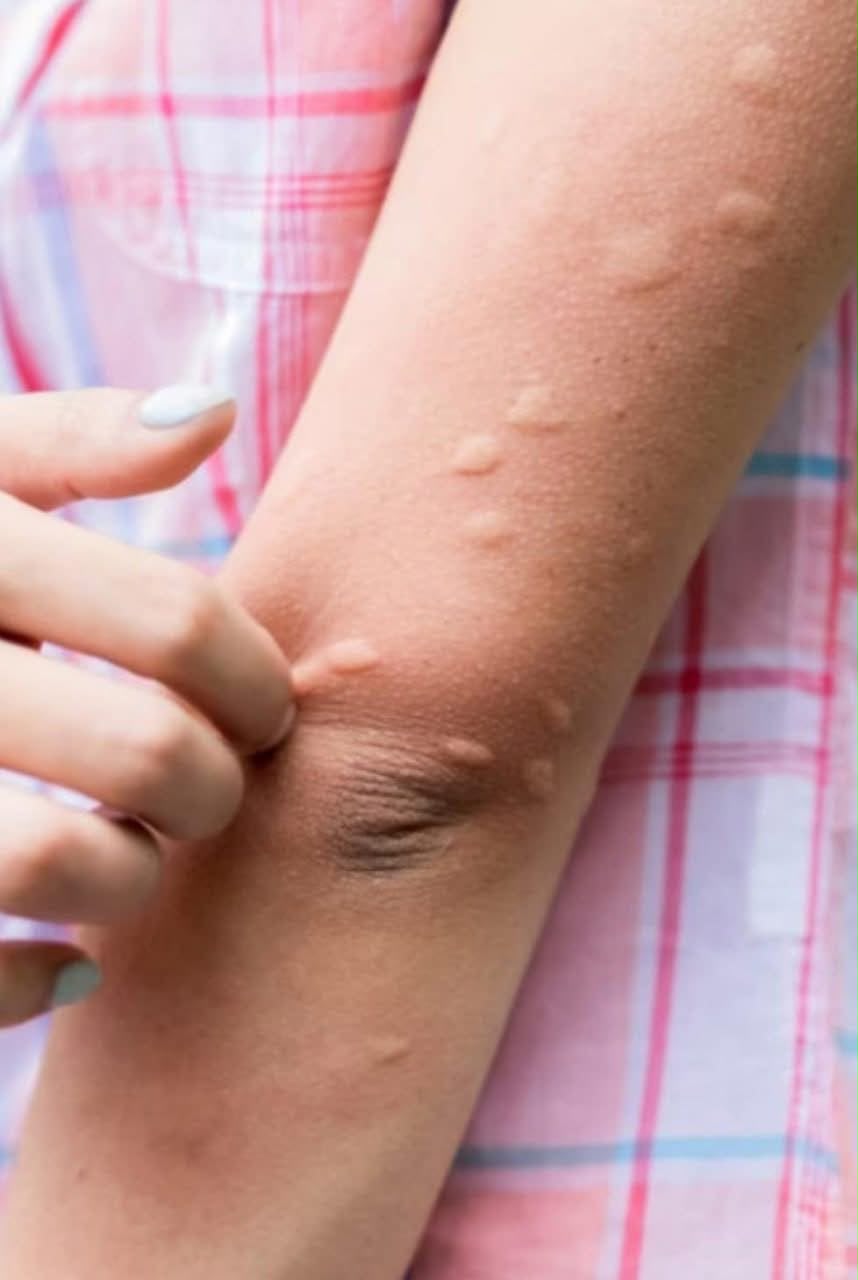
Waking up or suddenly noticing raised, itchy bumps appearing across your forearms, elbows, or legs can be both uncomfortable and alarming. Skin reactions characterized by localized swelling, redness, and persistent itching (pruritus) are among the most common reasons individuals seek dermatological care. While the skin’s primary role is to act as a physical barrier against external threats, its complex immune system frequently reacts to internal triggers or environmental exposures through sudden inflammatory flare-ups.
When raised bumps emerge on the skin, distinguishing between widespread allergic reactions like hives (urticaria), localized insect bites, or contact sensitivity is essential for selecting the correct treatment. Applying the wrong remedy—such as heavily scratching an allergic welt—can tear delicate tissue layers, introducing secondary bacterial infections and prolonging recovery.
In this comprehensive guide, we will examine the primary medical causes of raised itchy bumps, explore the biological mechanisms behind skin histamine release, compare hives against common bug bites, outline effective home relief strategies, and discuss how managing dermatological health intersects with preventive medical care and long-term financial security.
Understanding Skin Histamine Release and Inflammation
The superficial layers of human skin contain vast populations of specialized immune cells known as mast cells. When mast cells detect a potential threat—whether an external allergen, physical friction, or an insect toxin—they undergo a process called degranulation, releasing inflammatory chemical messengers into surrounding tissues.
The Role of Histamine
Histamine is the primary biochemical driver behind raised itchy bumps. Once released, histamine binds to specific receptors (H1 receptors) on local micro-blood vessels, causing them to dilate and become permeable. Fluid leaks out from capillaries into the surrounding dermis layer, creating a localized, raised swelling called a wheal or pelt. Simultaneously, histamine stimulates adjacent sensory nerve endings, sending intense itch signals directly to the brain.
Common Causes of Raised Itchy Bumps on the Arms and Skin
Dermatologists classify itchy skin lesions based on their physical shape, duration, distribution pattern, and underlying physiological triggers.
1. Acute Hives (Urticaria)
Hives appear as raised, red, or skin-colored welts with smooth, defined borders that often change size, shape, and location rapidly over hours.
-
Key Triggers: Food allergies (such as shellfish, nuts, or eggs), adverse reactions to prescription medications (antibiotics or NSAIDs), viral infections, physical pressure (dermographism), sudden temperature changes, or emotional stress.
-
Distinct Feature: Individual hive welts typically blanch (turn white briefly) when pressed and often disappear within 24 hours in one spot while new ones emerge elsewhere on the body.
2. Insect Bites (Mosquitoes, Fleas, and Bed Bugs)
Insect bites occur when biting arthropods pierce the skin surface to feed, injecting protein-rich saliva that triggers an localized immune reaction.
-
Mosquito Bites: Isolated, soft, rounded raised bumps that appear within minutes of exposure, concentrated on exposed skin areas like forearms and ankles.
-
Bed Bug Bites: Firm, intensely itchy red bumps that frequently present in linear clusters or straight lines (often referred to as the “breakfast, lunch, and dinner” pattern).
-
Flea Bites: Tiny, firm, highly itchy papules with a central pinpoint puncture mark, typically clustered around feet, ankles, and lower legs.
3. Contact Dermatitis
Contact dermatitis occurs when the skin comes into direct physical contact with an irritating chemical or allergen.
-
Allergic Contact Dermatitis: Triggered by exposure to plant oils (like poison ivy or oak), nickel jewelry, fragrance additives, or specific laundry detergents. It often forms raised red bumps that can progress to tiny, fluid-filled blisters (vesicles).
4. Heat Rash (Miliaria)
Heat rash develops when microscopic sweat ducts become blocked during hot weather, intense exercise, or tight clothing wear. Trapped sweat leaks into surrounding skin layers, causing small, itchy, pinhead-sized red bumps.
Comparing Hives, Bug Bites, and Contact Dermatitis
Understanding the subtle physical differences between skin reactions helps guide effective home care and clinical treatment decisions.
| Skin Reaction Type | Physical Appearance | Pattern / Distribution | Average Duration |
| Acute Hives (Urticaria) | Raised, smooth welts; blanch when pressed | Migratory; shifts position across body | Individual welts fade within 24 hours |
| Mosquito Bites | Isolated, soft puffy bumps | Random distribution on exposed skin | Resolves in 3 to 7 days |
| Bed Bug Bites | Firm, hard red papules | Linear lines or clusters of 3 or more | Persists for 1 to 2 weeks |
| Contact Dermatitis | Raised bumps or tiny blisters | Confined strictly to contact zone | Lasts 1 to 3 weeks until allergen is removed |
Practical Home Relief Strategies and Care
For mild, uncomplicated skin reactions, evidence-based self-care techniques can calm histamine responses and soothe intense itching:
1. Apply Cold Compresses
Apply a clean towel soaked in cool water or a cloth-wrapped ice pack to inflamed skin for 10 to 15 minutes at a time. Cold temperatures constrict local blood vessels, reducing local fluid swelling and numbing sensory nerve signals.
2. Utilize Over-the-Counter Oral Antihistamines
Non-drowsy second-generation oral antihistamines (such as cetirizine, loratadine, or fexofenadine) block H1 receptors, preventing circulating histamine from binding and halting new welt formation.
3. Apply Topical Anti-Itch Lotions
-
Calamine Lotion: Soothes irritated skin through cooling zinc oxide evaporation.
-
1% Hydrocortisone Cream: Mild topical steroid cream that reduces localized cellular inflammation when applied sparingly to non-broken skin.
-
Colloidal Oatmeal Baths: Soaking in a warm bath mixed with finely ground colloidal oatmeal forms a protective barrier that calms widespread skin irritation.
4. Resist the Urge to Scratch
Scratching damaged skin breaks the protective epidermal barrier, allowing environmental bacteria (like Staphylococcus or Streptococcus) to enter, leading to secondary skin infections (impetigo or cellulitis). Keep fingernails short and clean.
Critical Warning Signs: When to Seek Emergency Medical Attention
While most itchy skin bumps are benign, certain symptoms indicate a severe systemic allergic reaction known as anaphylaxis, which requires immediate emergency care.
Seek Emergency Care (Call 911) If Bumps Are Accompanied By:
-
Difficulty breathing, shortness of breath, or high-pitched wheezing.
-
Swelling of the lips, tongue, face, or throat (angioedema).
-
Dizziness, lightheadedness, feeling faint, or sudden drop in blood pressure.
-
Nausea, severe abdominal cramping, or vomiting alongside sudden widespread hives.
Connecting Dermatological Care with Insurance and Financial Planning
Managing sudden health flare-ups and allergy conditions highlights the importance of maintaining structured healthcare access and financial security.
Leveraging Preventive Healthcare and Insurance Benefits
If skin bumps persist for more than a few days, spread rapidly, or recur frequently, consulting a board-certified dermatologist or allergist ensures accurate diagnosis through skin prick testing or patch testing. Under standard health insurance policies, specialist diagnostic consultations, allergy testing, and prescription topical therapies are covered medical benefits. Taking advantage of these covered resources protects your skin health efficiently.
Protecting Your Long-Term Financial Stability
Proactively addressing underlying health conditions—such as severe allergies or chronic dermatological issues—protects your daily productivity, safeguarding your personal finance goals, investment strategy, and long-term retirement savings. Securing comprehensive health, disability, and life insurance coverage provides complete financial protection for your household against unexpected medical emergencies.
Fascinating Facts About Human Skin and Allergies
-
The Largest Organ: The human skin covers an average surface area of roughly 20 square feet and receives nearly one-third of the body’s total blood circulation.
-
Dermographism (“Skin Writing”): Approximately 2% to 5% of the population has a condition called dermographism, where lightly scratching or pressing on the skin causes raised, itchy hives to form in the exact pattern of the pressure applied within minutes.
-
Mosquito Selectivity: Mosquitoes are attracted to human skin primarily by sensing carbon dioxide breath emissions, lactic acid in sweat, elevated body heat, and specific skin microbiome volatile compounds.
-
The Speed of Histamine: Following an acute allergen exposure, mast cells can release stored histamine granules within milliseconds, triggering visible skin wheals within 5 to 10 minutes.
Conclusion: Calming Irritated Skin with Confidence
Discovering raised, itchy bumps on your skin can be frustrating, but understanding the differences between hives, bug bites, and contact allergies brings clarity and peace of mind. By applying cool compresses, using non-drowsy oral antihistamines, avoiding scratching, and identifying environmental triggers, you can soothe skin inflammation effectively.
Combining proactive home care with routine medical consultations when needed ensures that your skin remains healthy, protected, and comfortable for life.
Frequently Asked Questions
How can I tell if my bumps are hives or bug bites?
Hives are typically raised, smooth-topped, skin-colored or red welts that blanch when pressed and frequently change shape or shift locations across the body within 24 hours. Bug bites are usually firm, distinct, localized bumps that remain fixed in one spot for several days and may feature a tiny central puncture mark.
Why do itchy skin bumps seem worse at night?
Itching often intensifies at night due to natural circadian rhythms. Body temperature increases slightly during sleep, blood flow to the skin rises, and natural anti-inflammatory cortisol levels drop to their lowest daily points. Additionally, fewer daily distractions leave you more focused on sensory itch signals.
Can stress cause raised itchy bumps on the skin?
Yes. Chronic emotional stress triggers the release of stress hormones like cortisol and neuropeptides, which can directly stimulate skin mast cells to release histamine, resulting in stress-induced hives (neurogenic urticaria) or worsening existing skin conditions.
Is it safe to apply hydrocortisone cream to bug bites?
Yes, applying 1% hydrocortisone cream sparingly to uninfected bug bites or mild hives once or twice daily helps reduce local swelling, redness, and itching. Avoid applying steroid creams to open wounds or broken skin.
When should I see a dermatologist for skin bumps?
You should schedule a dermatological visit if your skin bumps last longer than 5 to 7 days without improvement, cover large areas of your body, cause severe pain or pus formation, or if you suspect a chronic underlying condition like eczema or autoimmune urticaria.
