
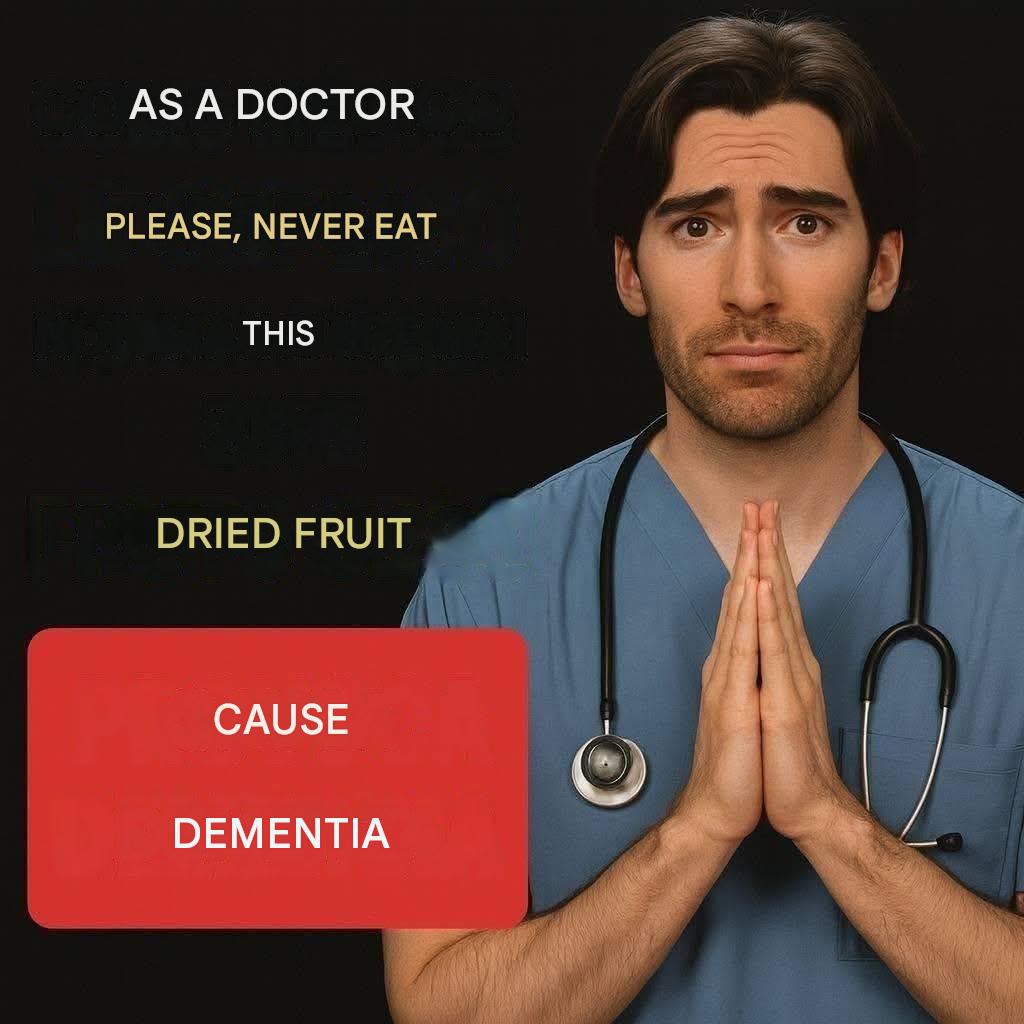
In the digital age, viral health warnings frequently flood social media feeds, often featuring dramatic claims that common household foods pose severe risks to brain function or long-term cognitive health. Among these circulating topics, sensationalized headlines warning against eating specific dried fruits—claiming they directly cause memory loss or cognitive decline—have sparked widespread confusion and concern among health-conscious consumers.
Medical experts and nutritional scientists emphasize the importance of distinguishing between unfounded internet rumors and evidence-based dietary science. While whole dried fruits like raisins, figs, prunes, and apricots are naturally nutrient-dense sources of dietary fiber and antioxidants, certain commercial preparation methods—specifically the addition of excess refined sugars, chemical preservatives like sulfur dioxide, and synthetic oils—can turn a healthy snack into a potential metabolic concern if consumed in excess.
In this comprehensive guide, we will evaluate the relationship between diet and cognitive health, break down the specific ingredients in commercial dried fruit that require moderation, explore true scientific risk factors for cognitive decline, highlight brain-boosting nutrition, and examine how proactive health management intersects with medical care, insurance, and financial security.
The Science of Dried Fruit: Nutritional Density vs. Hidden Additives
To evaluate whether dried fruit impacts cognitive function, it helps to understand how dehydrating fruit changes its physical composition and nutritional makeup.
1. Natural Concentration of Sugars and Calories
When fresh fruit undergoes dehydration, its water content is removed, leaving behind concentrated natural sugars (fructose and glucose) and calories in a much smaller physical footprint. For instance, while a cup of fresh grapes contains roughly 15 grams of sugar, a cup of raisins contains over 80 grams. Consuming large quantities of high-glycemic foods can lead to rapid blood glucose spikes and systemic metabolic stress over time.
2. The Role of Chemical Preservatives (Sulfur Dioxide)
To maintain bright colors and extend shelf life, commercial manufacturers frequently treat dried fruits—especially brightly colored dried apricots, mangoes, and papayas—with sulfur dioxide (E220) or sodium metabisulfite. While sulfites are recognized as safe for the general population by food safety authorities, sensitive individuals or asthmatics can experience allergic reactions, respiratory irritation, or digestive discomfort. However, there is no clinical evidence directly linking sulfites to neurodegenerative conditions.
3. Added Oils and Refined Sugars
Many commercially packaged dried fruits (such as sweetened dried cranberries or banana chips) are coated in refined vegetable oils (like palm or soybean oil) and extra cane sugar or high-fructose corn syrup to enhance texture and sweetness. Regular consumption of ultra-processed foods rich in added sugars and unhealthy fats contributes to systemic inflammation and vascular strain.
Evaluating the Alleged Link Between Dried Fruit and Dementia
Sensational headlines claiming that a specific dried fruit directly triggers cognitive decline oversimplify complex neurobiology.
The Real Cause: Metabolic and Vascular Risk Factors
Neurologists and medical researchers agree that cognitive impairment conditions, including Alzheimer’s disease and vascular dementia, stem from a combination of genetic predispositions, advanced age, and cardiovascular health factors.
-
Vascular Health Connection: The brain relies on a vast network of blood vessels to deliver oxygen and nutrients. Diets excessively high in added refined sugars and unhealthy fats contribute to insulin resistance, Type 2 diabetes, chronic hypertension, and arterial plaque buildup.
-
The “Type 3 Diabetes” Concept: Research into neurobiology highlights that chronic hyper-glycemia and insulin resistance impair brain insulin signaling, which can accelerate neuroinflammation. Thus, while a single dried fruit does not directly cause cognitive decline, a chronic diet that drives poor metabolic health can indirectly increase vascular risk over time.
Comparing Dried Fruit Options: Healthy vs. Processed
Making informed decisions at the grocery store requires reading nutrition labels carefully to choose unadulterated dried fruits.
| Dried Fruit Variety | Common Additives to Avoid | Health Impact Profile | Best Choice Strategy |
| Commercial Bright Apricots | Sulfur Dioxide (E220) & Potassium Sorbate | Color preservation; can trigger sulfite sensitivity | Choose unsulfured organic brown apricots |
| Sweetened Dried Cranberries | High-Fructose Corn Syrup & Refined Oils | High added sugar load; elevated glycemic spike | Choose 100% juice-sweetened or unsweetened |
| Banana Chips | Palm Oil, Hydrogenated Oils & White Sugar | High saturated fat & artificial calories | Choose freeze-dried or baked oil-free chips |
| Sun-Dried Whole Prunes | Minimal (Occasionally Potassium Sorbate) | Rich in bone-building minerals & digestive fiber | Choose unsweetened, pitted whole prunes |
Brain-Boosting Nutrition: Foods That Truly Support Cognitive Function
Rather than fearing whole foods, focusing on proven dietary patterns like the Mediterranean-DASH Intervention for Neurodegenerative Delay (MIND) diet actively protects brain health.
1. Dark Berries and Polyphenols
Blueberries, blackberries, and strawberries are packed with anthocyanins—powerful flavonoid antioxidants that cross the blood-brain barrier to reduce oxidative stress, improve neuronal signaling, and support memory retention.
2. Omega-3 Fatty Acids
Fatty fish (salmon, sardines, mackerel), walnuts, flaxseeds, and chia seeds provide essential omega-3 fatty acids (DHA and EPA). DHA is a primary structural component of brain cell membranes, crucial for maintaining synaptic plasticity and vascular tone.
3. Dark Leafy Greens
Spinach, kale, collard greens, and broccoli are rich in brain-essential nutrients like folate, Vitamin E, phylloquinone (Vitamin K1), and lutein, which clinical studies associate with slower rates of cognitive decline in older adults.
Connecting Health Management with Medical Care and Financial Security
Navigating wellness information requires balancing healthy daily nutrition with modern preventive medical care and long-term planning.
Leveraging Preventive Healthcare and Medical Benefits
Detecting metabolic risks early—such as elevated fasting glucose, high HbA1c, or high blood pressure—is essential for protecting long-term vascular and brain health. Under standard health insurance coverage, annual physical exams, routine blood work panels, and specialist consultations are covered preventive medical services. Utilizing these benefits helps monitor your overall wellness metrics proactively.
Protecting Your Family’s Financial Future
Maintaining long-term cognitive and physical health safeguards your working capacity, protecting your personal finance goals, investment portfolio, and retirement savings. Securing comprehensive health, disability, and life insurance coverage provides complete financial protection for your household, ensuring peace of mind against life’s uncertainties.
Fascinating Facts About Dried Fruit and Brain Health
-
Ancient Preservation Methods: Sun-drying fruit is one of the oldest food preservation techniques known to humanity, practiced in the Middle East and Mediterranean as early as 4000 BC.
-
Prunes and Bone Density: Clinical studies show that eating 5 to 6 prunes (dried plums) daily helps prevent bone density loss in postmenopausal women due to their rich concentration of boron, Vitamin K, and polyphenols.
-
Brain Energy Demands: Despite accounting for only about 2% of total body weight, the human brain consumes approximately 20% of the body’s total daily glucose and oxygen intake.
-
The Color of Unsulfured Fruit: Naturally dried apricots without sulfur dioxide do not maintain a bright orange color; instead, they turn a deep, rich brown color as they dry naturally in the sun.
Conclusion: Making Informed Choices for Brain and Body Health
Sensational claims warning that dried fruit directly causes cognitive decline or dementia are scientifically unfounded. Whole dried fruits like prunes, raisins, and unsulfured figs remain nutritious, fiber-rich foods when consumed in sensible portions as part of a balanced diet.
By reading food labels to avoid unnecessary sulfur dioxide, added sugars, and hydrogenated oils, pairing dried fruit with healthy fats or proteins, and scheduling routine medical checkups, you can enjoy delicious natural foods while safeguarding your brain and long-term health.
Frequently Asked Questions
Does eating dried fruit directly cause dementia or memory loss?
No. There is no scientific or clinical evidence showing that eating whole dried fruit directly causes dementia or cognitive decline. However, diets high in added refined sugars and processed oils can contribute to metabolic issues like Type 2 diabetes and hypertension, which are established risk factors for vascular cognitive impairment.
What is the healthiest type of dried fruit to eat?
Unsweetened, unsulfured organic dried fruits—such as organic prunes, sun-dried raisins, figs, and unsulfured brown apricots—are the healthiest choices because they contain no chemical preservatives, artificial colors, or added sugars.
Why is sulfur dioxide added to commercial dried fruit?
Sulfur dioxide is a gas used as a preservative to prevent natural oxidation and browning, keeping dried fruits like apricots and mangoes looking brightly colored and extending their retail shelf life. Unsulfured dried fruits naturally turn darker brown.
How much dried fruit should I eat per day?
Because dried fruit is dense in natural sugars and calories, a standard recommended serving size is roughly 1/4 cup (about 30 grams) per day. Pairing dried fruit with raw nuts (like walnuts or almonds) helps slow down sugar absorption.
Can high blood sugar affect long-term brain health?
Yes. Chronic high blood sugar and insulin resistance can damage micro-blood vessels throughout the body, including those in the brain. Maintaining healthy blood glucose levels through clean nutrition, regular physical activity, and routine medical monitoring is crucial for long-term cognitive health.
