
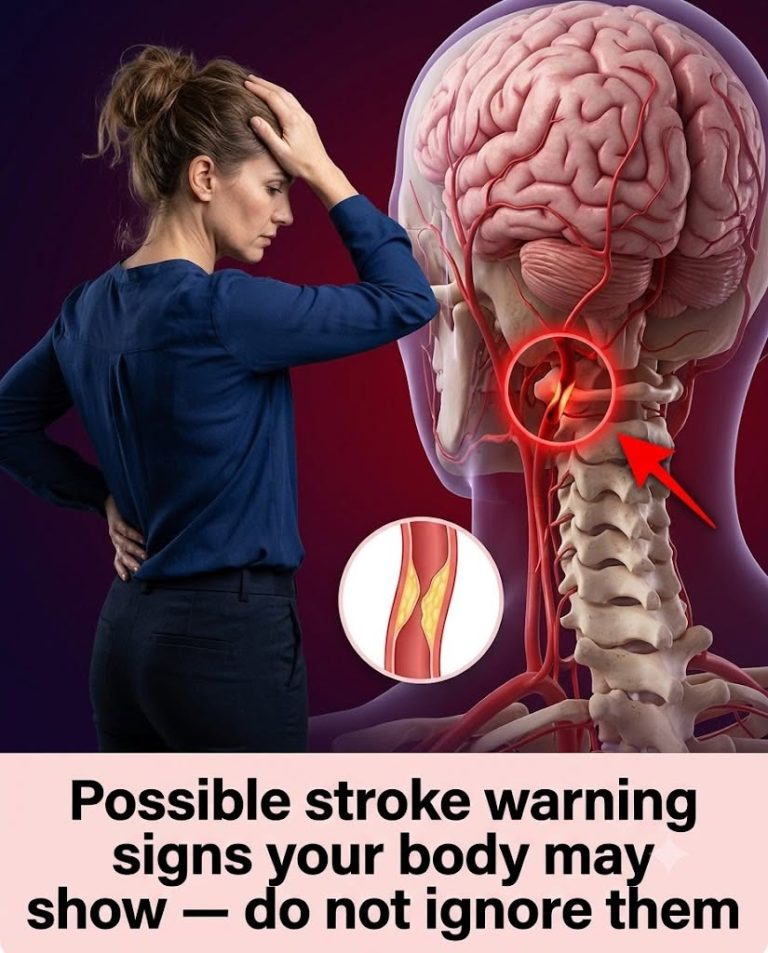
A stroke occurs when blood flow to a specific region of the brain is interrupted or drastically reduced, depriving delicate brain tissue of vital oxygen and nutrients. Within minutes, oxygen-starved brain cells begin to suffer damage, making stroke a leading cause of long-term disability and mortality worldwide. Because rapid medical intervention is critical to minimizing permanent neurological damage, recognizing early warning signs—and acting immediately—is essential.
While sudden physical weakness and facial drooping are well-known emergency indicators, the human body often exhibits subtle vascular, sensory, and anatomical red flags before a major cerebrovascular event unfolds. Understanding how carotid artery blockages, vertebral dissection, and cerebral circulation influence stroke risk empowers individuals and families to seek timely emergency medical care. Furthermore, navigating health insurance policies, emergency medical protections, and long-term financial planning plays a vital role in safeguarding families against catastrophic healthcare costs.
In this comprehensive guide, we will analyze the physiological mechanisms of a stroke, explore critical warning signs that should never be ignored, examine the B.E. F.A.S.T. emergency protocol, review high-value health insurance and disability strategies, and outline practical lifestyle habits for cardiovascular prevention.
Understanding the Pathology of a Stroke
To understand why stroke symptoms manifest so suddenly, it is crucial to review how blood reaches the brain. The brain receives oxygenated blood primarily through two major vascular pathways: the carotid arteries (located in the front of the neck) and the vertebral arteries (running through the spine into the base of the skull).
The Two Primary Types of Stroke
-
Ischemic Stroke: Accounting for nearly 87% of all cases, an ischemic stroke occurs when a blood clot (thrombus) forms inside a cerebral artery or travels from elsewhere in the body (embolus) to block blood flow. Atherosclerosis—the gradual buildup of fatty plaque within arterial walls—is the primary driver of ischemic events.
-
Hemorrhagic Stroke: Occurs when a weakened blood vessel inside or surrounding the brain ruptures, bleeding into surrounding brain tissue. Chronic high blood pressure (hypertension) and brain aneurysms are common causes of hemorrhagic strokes.
Additionally, a Transient Ischemic Attack (TIA), often referred to as a “mini-stroke,” occurs when blood flow to the brain is blocked temporarily. While TIA symptoms typically resolve within minutes to hours without permanent tissue damage, a TIA serves as a critical warning sign that a full-scale ischemic stroke may occur in the near future.
Possible Stroke Warning Signs You Should Never Ignore
Recognizing stroke symptoms requires paying close attention to sudden, unusual neurological and physical changes. Emergency medical specialists emphasize that these signs often appear abruptly.
1. Severe, Unexplained Neck Pain and Headaches
While tension headaches are common, sudden severe neck pain localized near the base of the skull or side of the neck can signal a vertebral or carotid artery dissection.
-
Vascular Dissection: A tiny tear inside the lining of a neck artery allows blood to collect between arterial layers, narrowing the vessel and forming blood clots that can travel directly into the brain.
-
Thunderclap Headaches: A sudden, excruciating headache described as the “worst headache of your life” can indicate a hemorrhagic stroke or a ruptured cerebral aneurysm.
2. Sudden Numbness or Weakness in the Face, Arm, or Leg
One of the most characteristic signs of a stroke is sudden loss of motor control or sensation, typically restricted to one side of the body.
-
Unilateral Weakness: Difficulty raising one arm, a leg feeling unusually heavy or useless, or a sudden loss of grip strength.
-
Facial Drooping: One side of the face may sag, feel numb, or appear uneven when smiling or talking.
3. Speech Difficulties and Confusion
Because the left hemisphere of the brain controls language processing in most individuals, localized blood flow disruption produces dramatic communication impairments.
-
Slurred Speech (Dysarthria): Difficulty articulating words clearly due to facial muscle weakness.
-
Inability to Form Words (Aphasia): Struggling to find basic words, speaking in fragmented phrases, or failing to comprehend simple spoken instructions.
4. Vision Loss or Sudden Visual Disturbances
Visual processing relies heavily on blood supplied by posterior cerebral arteries.
-
Monocular Vision Loss: Sudden blindness or dimness in one eye (often described as a dark shade pulling over the field of vision).
-
Double Vision (Diplopia) or Blurred Vision: Sudden difficulty focusing or seeing double when looking in any direction.
5. Dizziness, Loss of Balance, and Coordination Issues
When a stroke affects the cerebellum or brainstem at the base of the skull, spatial orientation and physical balance are severely disrupted.
-
Unexplained Vertigo: A sudden spinning sensation accompanied by nausea or unsteadiness.
-
Ataxia: Sudden clumsiness, stumbling while walking, or inability to coordinate hand movements.
The B.E. F.A.S.T. Emergency Protocol
When evaluating potential stroke symptoms, timing is everything. The universal B.E. F.A.S.T. acronym helps bystanders identify critical warning signs quickly:
-
B – Balance: Is the person experiencing a sudden loss of balance, unsteadiness, or dizziness?
-
E – Eyes: Is there sudden loss of vision, double vision, or blurred vision in one or both eyes?
-
F – Face: Ask the person to smile. Does one side of the face droop?
-
A – Arm: Ask the person to raise both arms. Does one arm drift downward due to weakness?
-
S – Speech: Ask the person to repeat a simple sentence. Is their speech slurred, garbled, or strange?
-
T – Time: If you observe any of these signs, call emergency services (such as 911) immediately! Note the exact time symptoms first started.
Prompt emergency transport ensures access to specialized clot-busting medications—such as Tissue Plasminogen Activator (tPA)—which must be administered within a strict 3-to-4.5-hour window from symptom onset to reverse ischemic damage.
Health Insurance, Financial Planning, and Medical Protections
A sudden stroke emergency involves immediate intensive care, diagnostic brain imaging, specialized rehabilitation, and long-term pharmaceutical care. Securing comprehensive medical insurance, critical illness policies, and disability protections ensures financial security during recovery.
Navigating Medical Insurance for Emergency Stroke Care
Surviving a stroke and regaining functional independence requires access to advanced acute care and extensive post-acute physical therapy.
-
Emergency Room and ICU Coverage: Comprehensive health insurance policies cover emergency ambulance transport, emergency department visits, neuro-ICU stays, and acute diagnostic CT/MRI brain scans.
-
Inpatient and Outpatient Rehabilitation: Post-stroke recovery frequently requires physical therapy, speech-language therapy, and occupational therapy. Verifying your health insurance network limits for annual therapy visits helps manage out-of-pocket costs.
-
Prescription Medication Coverage: Long-term stroke prevention requires daily anti-platelet medications, blood thinners (anticoagulants), cholesterol-lowering statins, and antihypertensive drugs, which are typically covered under standard insurance prescription formularies.
Financial Safeguards and Disability Protections
Managing a long-term neurological recovery requires financial planning to offset potential loss of income.
-
Short-Term and Long-Term Disability Insurance: Disability insurance policies replace a significant portion of an individual’s income if neurological deficits prevent a prompt return to work.
-
Critical Illness Insurance: Supplemental critical illness policies provide a direct tax-free lump-sum cash payout upon diagnosis of a major stroke, helping pay for home modifications, medical equipment, or specialized home care.
-
Mortgage and Estate Planning: Establishing a power of attorney, securing valid life insurance, and protecting home equity ensures family financial stability during unexpected health crises.
Major Stroke Risk Factors and Prevention Strategies
While some risk factors (such as age, sex, and family genetics) cannot be modified, up to 80% of strokes are preventable through targeted lifestyle changes and medical management.
Primary Modifiable Risk Factors
-
High Blood Pressure (Hypertension): The single leading cause of stroke. Maintaining blood pressure below 120/80 mmHg dramatically protects cerebral blood vessels.
-
Smoking and Vaping: Tobacco smoke damages blood vessel linings, accelerates plaque buildup in carotid arteries, and doubles stroke risk.
-
High Cholesterol: Excess LDL cholesterol forms fatty deposits within neck and brain arteries, narrowing blood pathways.
-
Diabetes: Elevated blood glucose levels damage blood vessels over time, making clot formation more likely.
-
Atrial Fibrillation (AFib): An irregular heart rhythm that allows blood to pool in the heart chambers, forming clots that can travel directly to the brain.
Summary Comparison: Ischemic vs. Hemorrhagic Stroke
| Feature | Ischemic Stroke | Hemorrhagic Stroke |
| Primary Cause |
Blood clot blocking a cerebral artery |
Ruptured blood vessel bleeding into brain tissue |
| Prevalence | Approximately 87% of all stroke cases | Approximately 13% of all stroke cases |
| Key Risk Factors |
Atherosclerosis, AFib, high cholesterol |
Uncontrolled high blood pressure, aneurysms |
| Emergency Treatment | Clot-busting drugs (tPA), mechanical thrombectomy | Surgical clipping/coiling, blood pressure reduction |
| Onset Speed |
Sudden; often preceded by mini-strokes (TIAs) |
Sudden; frequently accompanied by severe “thunderclap” headache |
Step-by-Step Emergency Action Plan
If you suspect someone near you is experiencing a stroke, follow these crucial steps without delay:
-
Call Emergency Services Immediately: Dial 911 or your local emergency number; do not attempt to drive the person to the hospital yourself.
-
Note the Time: Write down the precise time symptoms began; this determines eligibility for time-sensitive clot-busting treatments.
-
Keep the Person Calm and Safe: Lie the person down on their side with their head slightly elevated to prevent choking if vomiting occurs.
-
Do Not Offer Food, Drink, or Medication: Never give aspirin, food, or water, as swallowing reflexes may be impaired and aspirin can worsen hemorrhagic strokes.
-
Provide Details to Paramedics: Inform emergency responders about the person’s symptoms, medical history, and current prescription medications.
Frequently Asked Questions (FAQ)
Can a stroke happen to young, healthy adults?
Yes. While stroke risk increases with age, strokes can occur in young adults due to carotid or vertebral artery dissections, congenital heart defects, blood clotting disorders, or birth control medication interactions.
What is the difference between a TIA and a full stroke?
A Transient Ischemic Attack (TIA) involves a temporary clot that dissolves on its own, causing symptoms that disappear within 24 hours without leaving permanent brain damage. However, a TIA is a severe warning sign that a major stroke may happen soon.
Does health insurance cover physical therapy after a stroke?
Yes. Standard health insurance policies and Medicare cover medically necessary post-stroke physical, occupational, and speech therapy when prescribed by a doctor.
Can neck pain really be a sign of a stroke?
Yes. Sudden severe pain in the back of the neck or side of the head can indicate an arterial dissection in the carotid or vertebral arteries, which can trigger a stroke.
How long does it take for brain damage to occur during a stroke?
Brain cells begin dying within 3 to 4 minutes of oxygen deprivation. During a stroke, an estimated 1.9 million neurons are lost every minute blood flow is blocked, highlighting why emergency action is vital.
Recognizing stroke warning signs and reacting swiftly saves lives and minimizes long-term disability. By maintaining healthy cardiovascular habits, understanding emergency protocols like B.E. F.A.S.T., and maintaining comprehensive health insurance protection, you safeguard both your physical well-being and your family’s future.
