
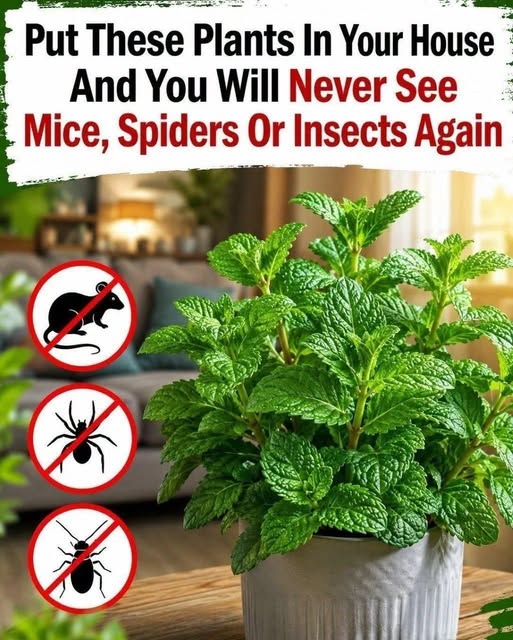
Chemical pest sprays and harsh extermination treatments can leave behind lingering synthetic odors and toxic residues inside your living spaces. Fortunately, nature offers a powerful alternative: insect-repelling plants. Many common herbs and household flora naturally produce pungent essential oils, terpenes, and aromatic compounds designed specifically to deter herbivores, rodents, and crawling insects in the wild.
By strategically placing these repellent plants around entryways, windowsills, and living spaces, you can create an invisible aromatic barrier that keeps household pests away naturally.
Powerful Plants That Naturally Deter Household Pests
Certain plants possess high concentrations of aromatic oils that disrupt the sensitive olfactory receptors of rodents, spiders, and common household insects.
+-------------------------------------------------------------------------------+
|                       NATURAL PEST-REPELLING PLANT MATRIX                     |
+--------------------------+----------------------------------------------------+
| REPELLENT PLANT          | TARGETED PESTS & ACTIVE COMPOUNDS                  |
+--------------------------+----------------------------------------------------+
| 1. Peppermint (Mentha)   | Mice, spiders, ants, mosquitoes (Menthol).         |
|  Peppermint               |                                                    |
| 2. Lavender              | Moths, fleas, flies, mosquitoes (Linalool).       |
| 3. Rosemary              | Cockroaches, mosquitoes, beetles (Eucalyptol).     |
| 4. Chrysanthemums        | Spiders, roaches, ticks, ants (Pyrethrins).        |
| 5. Basil                 | Houseflies, mosquitoes, thrips (Eugenol).          |
+--------------------------+----------------------------------------------------+
1. Peppermint (Mentha × piperita)
Peppermint is widely considered one of the most effective natural pest deterrents available. The high concentration of menthol produces a powerful, sharp aroma that overwhelms the sensitive scent glands of mice, forcing them to avoid nesting nearby. Additionally, spiders and ants dislike walking across surfaces treated with peppermint oil or brushing against live peppermint leaves.
2. Lavender (Lavandula)
While humans find the soothing scent of lavender relaxing, its natural terpene profile—specifically linalool and linalyl acetate—acts as a natural repellent against clothes moths, fleas, houseflies, and mosquitoes. Placing potted lavender near sunny windowsills deters flying insects from entering your home.
3. Rosemary (Salvia rosmarinus)
Rosemary features a woody, camphor-like aroma containing eucalyptol and alpha-pinene. This distinct fragrance repels crawling insects such as cockroaches, silverfish, and beetles. Keeping potted rosemary in kitchens or near food pantries helps deter pantry pests without chemical sprays.
4. Chrysanthemums (Chrysanthemum)
Chrysanthemums contain potent natural neurotoxins called pyrethrins, which attack the nervous systems of insects upon contact. This compound is so effective that it serves as the foundation for many botanical insecticides. Live chrysanthemums help deter spiders, roaches, ticks, fleas, and bed bugs.
5. Sweet Basil (Ocimum basilicum)
Basil contains eugenol, citronellol, and limonene, which give off a strong herbaceous aroma that effectively repels houseflies and mosquitoes. Placing basil plants near outdoor patios or kitchen counters keeps fruit flies and gnats away from fresh produce.
Practical Placement Tips for Maximum Pest Deterrence
To get the most out of pest-repelling plants, strategic positioning around key vulnerability zones is essential:
-
Protect Entry Points: Place potted peppermint or rosemary directly next to exterior doorways, garage thresholds, and patio sliding doors where mice and spiders enter.
-
Crush Leaves for Extra Fragrance: Gently bruising or rubbing plant leaves releases concentrated essential oils into the air, maximizing their aromatic reach.
-
Place Near Bright Windows: Herbs like basil, rosemary, and lavender require 6 hours of daily sunlight to thrive indoors and maintain strong oil production.
-
Combine with Essential Oil Sprays: Boost protection by making a natural spray using water and a few drops of pure peppermint or lavender essential oil to mist around baseboards and window frames.
Health, Safety, and Financial Benefits
Using plants for home pest management provides lasting financial and environmental advantages.
Safe Environment for Children and Pets
Chemical insecticides often carry health warnings regarding skin contact or inhalation. Utilizing living plants and botanical essential oils minimizes exposure to synthetic chemicals, creating a cleaner indoor environment for families.
Lowering Household Maintenance and Extermination Costs
Preventing minor pest infestations using low-cost houseplants reduces reliance on expensive commercial pest control services, saving hundreds of dollars in extermination bills each year.
Fascinating Facts About Insect-Repelling Plants
-
Self-Defense Chemistry: Plants evolved aromatic essential oils primarily as chemical defense systems to stop insects from eating their stems and foliage.
-
Spider Olfactory Sensitivity: Spiders do not possess noses; instead, they “smell” using tiny sensory hairs (sensilla) located on their legs, making pungent plant oils overwhelmingly intense for them.
-
The Power of Pyrethrin: Natural pyrethrins extracted from dried chrysanthemum flowers have been used as botanical pest controls for over 150 years.
Conclusion
Guarding your home against unwanted mice, spiders, and insects doesn’t require harsh chemical sprays. By adding attractive, aromatic plants like peppermint, lavender, rosemary, and basil to your home interior and entryways, you can create an effective natural barrier while enjoying fresh greenery and soothing natural aromas.
Frequently Asked Questions (FAQ)
Do pest-repelling plants eliminate active infestations completely?
Pest-repelling plants act primarily as preventative deterrents. While they effectively discourage pests from entering, severe or established rodent or insect infestations may still require targeted physical traps or professional intervention.
Are peppermint plants safe for homes with cats and dogs?
While live peppermint plants are generally safe, high concentrations of ingested leaves or pure essential oils can cause mild stomach upset in pets. Keep plants on raised stands if you have curious pets.
How many plants are needed to protect a room?
Placing 1 to 2 healthy, mature plants near key entry points (such as windows or doorways) is usually sufficient to create an effective scent buffer for an average-sized room.
Can dried herbs work as well as live plants?
Yes. Dried lavender buds or dried peppermint leaves placed in breathable sachet bags make excellent pest deterrents for closets, drawers, and food pantries.
