
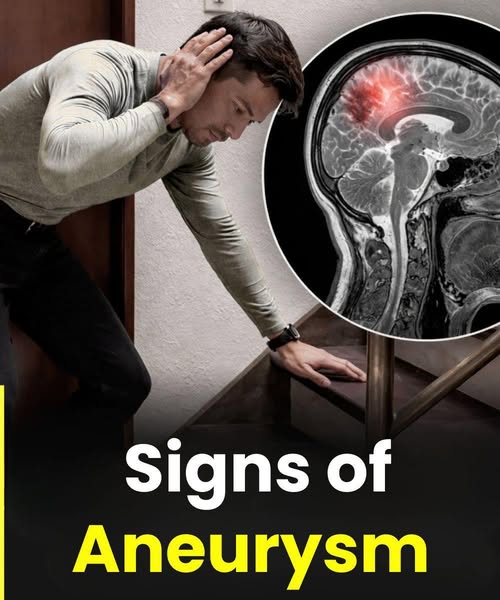
A brain aneurysm—a subtle, weakened bulge in the wall of an artery in the brain—can exist quietly without causing symptoms. However, if an aneurysm expands or ruptures, it becomes a medical emergency requiring immediate attention. Understanding how to recognize both subtle unruptured warning signs and the sudden, severe indications of a ruptured brain aneurysm is vital for rapid intervention and life-saving care.
Recognizing these symptoms early empowers individuals to seek immediate medical emergency services, dramatically improving outcomes and recovery prospects.
Unruptured vs. Ruptured Brain Aneurysm Symptoms
Symptom manifestation varies depending on whether an aneurysm is pressing against nerve tissue or has actively ruptured into surrounding brain tissue.
+-------------------------------------------------------------------------------+
|                       BRAIN ANEURYSM SYMPTOM MATRIX                           |
+--------------------------+----------------------------------------------------+
| ANEURYSM STATUS          | COMMON WARNING SIGNS & PHYSIOLOGICAL SYMPTOMS      |
+--------------------------+----------------------------------------------------+
| Unruptured (Expanding)   | Localized head pain, blurred/double vision, dilated|
|                          | pupil, numbness on one side of the face.           |
| Ruptured (Emergency)     | "Thunderclap" headache, stiff neck, nausea,        |
|                          | sensitivity to light, sudden loss of consciousness.|
+--------------------------+----------------------------------------------------+
1. The “Thunderclap” Headache (Ruptured Aneurysm)
The hallmark sign of a ruptured brain aneurysm is an excruciating, sudden headache often described as the “worst headache of your life.” Unlike typical tension headaches or migraines, a thunderclap headache reaches peak intensity within seconds, signaling severe intracranial bleeding.
2. Vision Changes and Dilated Pupils

An expanding unruptured aneurysm can press against optic nerves or adjacent cranial nerves. This localized pressure often causes double vision, blurred vision, pain above or behind one eye, or a noticeably dilated pupil in one eye.
3. Neck Stiffness and Sensitivity to Light
Bleeding from a ruptured aneurysm irritating the meninges (the protective membranes surrounding the brain and spinal cord) leads to severe neck stiffness (nuchal rigidity) and photophobia—extreme sensitivity to light.
4. Facial Numbness or Weakness
When an expanding aneurysm compresses nerve pathways, it can trigger sudden localized numbness, weakness, or partial paralysis on one side of the face, often mimicking stroke-like symptoms.
5. Nausea, Confusion, and Loss of Consciousness
As blood pools inside the skull, intracranial pressure rises rapidly. This causes sudden nausea, vomiting, disorientation, loss of balance, seizures, or abrupt loss of consciousness.
Medical Action and Emergency Protocol
Recognizing an aneurysm event requires immediate, decisive action to ensure survival and minimize long-term neurological damage.
-
Call Emergency Services (911) Immediately: If someone experiences a sudden, excruciating headache accompanied by stiff neck or vomiting, call emergency responders right away rather than driving to the hospital yourself.
-
Note the Exact Onset Time: Knowing precisely when symptoms began helps emergency physicians make critical decisions regarding diagnostic CT scans and surgical procedures.
-
Keep the Person Calm and Resting: Lie the person down in a quiet, dark room with minimal stimulation while waiting for emergency personnel to arrive.
Health, Financial, and Neurological Recovery Benefits
Prompt medical evaluation for brain aneurysms offers profound health and financial protection.
Preventing Permanent Brain Damage and Stroke
Immediate surgical intervention—such as endovascular coiling or microvascular clipping—stops active intracranial bleeding, reducing the risk of permanent brain damage, coma, or fatal hemorrhagic stroke.
Reducing Long-Term Rehabilitation Costs
Early emergency response mitigates severe neurological deficits, significantly lowering long-term costs associated with prolonged intensive care units (ICU), extensive physical therapy, and permanent specialized nursing care.
Fascinating Facts About Brain Aneurysms
-
Silent Presence: Medical estimates indicate that approximately 1 in 50 people in the United States currently has an unruptured brain aneurysm, with many remaining unaware throughout their lives.
-
The Circle of Willis: Most brain aneurysms develop at arterial junctions located at the base of the brain, known biologically as the Circle of Willis, where blood vessel walls face high stress.
-
Rapid Response Matters: Modern neuro-interventional techniques allow specialists to repair many aneurysms through minimally invasive catheter procedures threaded from the groin to the brain.
Conclusion
While unruptured brain aneurysms often remain silent, expanding or ruptured aneurysms present clear, unmistakable warning signs. Recognizing the sudden “thunderclap” headache, vision changes, and neck stiffness—and acting immediately by calling emergency medical services—is the most crucial step in saving a life and protecting neurological health.
Frequently Asked Questions (FAQ)
What causes a brain aneurysm to form?
Brain aneurysms result from weakened arterial walls, which can stem from high blood pressure, cigarette smoking, genetic predisposition, advanced age, or head trauma.
Can a brain aneurysm be detected before it ruptures?
Yes. Unruptured aneurysms are often discovered during brain imaging scans (such as MRI or CT angiograms) performed for other medical reasons or during evaluations for persistent, localized headaches.
Is a brain aneurysm the same as a stroke?
A ruptured brain aneurysm causes a specific type of hemorrhagic stroke (subarachnoid hemorrhage). While all ruptured aneurysms cause strokes, not all strokes are caused by aneurysms.
Can high blood pressure trigger an aneurysm rupture?
Yes. Uncontrolled chronic high blood pressure increases strain against weakened blood vessel walls, making rupture significantly more likely.
