
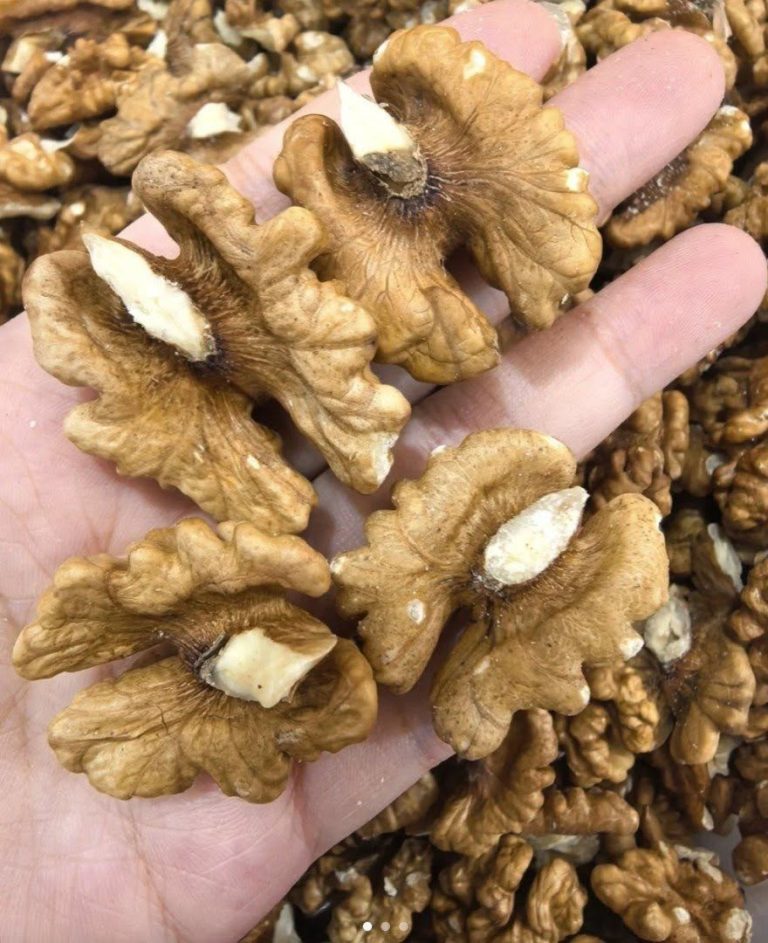
Walnuts are widely recognized as one of nature’s most extraordinary, nutrient-dense superfoods. With their distinct brain-like shape, rich buttery flavor, and exceptional lipid profile, these remarkable tree nuts have supported human health and nutrition across Mediterranean, Asian, and North American cultures for thousands of years.
When you hold a handful of fresh, golden walnut halves, you are holding a concentrated source of essential alpha-linolenic omega-3 fatty acids, plant polyphenols, vital minerals, and powerful antioxidants. In this comprehensive guide, we examine the science-backed health benefits of walnuts, detail their role in cognitive longevity and heart protection, provide practical culinary ideas, discuss smart grocery budgeting, and review healthcare insurance considerations for preventive cardiovascular wellness.
The Exceptional Nutritional Profile of Walnuts
Among all tree nuts—including almonds, cashews, pistachios, and macadamia nuts—walnuts stand out due to their exceptionally high concentration of plant-based omega-3 fatty acids.
Key Nutritional Breakdown (Per 1-Ounce Serving / Approx. 14 Halves)
-
Plant-Based Omega-3 (ALA): 2.5 grams (over 100% of the recommended daily adequate intake).
-
Dietary Fiber: 2 grams of digestion-supporting plant fiber.
-
Plant Protein: 4 grams of high-quality vegetable protein.
-
Essential Minerals: Rich in manganese, copper, magnesium, phosphorus, and vitamin B6.
-
Polyphenols & Antioxidants: Higher total antioxidant capacity than almost any other common nut variety.
5 Science-Backed Health Benefits of Walnuts
Incorporating a small handful of walnuts into your daily diet delivers profound benefits for every major system in the body:
1. Boosting Brain Function and Cognitive Longevity
It is one of nature’s most fascinating coincidences that a walnut half resembles a human brain. Scientific research in neurobiology shows that the polyunsaturated fats, polyphenols, and vitamin E found in walnuts help reduce oxidative stress and neuro-inflammation in brain tissues. Regular walnut consumption is associated with improved memory speed, enhanced mental flexibility, and better cognitive focus as we age.
2. Supporting Heart Health and Lowering Cholesterol
Cardiologists consistently recommend walnuts as part of a heart-healthy diet. The alpha-linolenic acid (ALA) in walnuts helps lower low-density lipoprotein (LDL or “bad”) cholesterol, reduces systemic arterial inflammation, and improves endothelial cell function along blood vessel walls.
3. Promoting Gut Microbiome Diversity
A healthy gut is the foundation of immune resilience and metabolic balance. Walnuts act as a natural prebiotic, nourishing beneficial gut bacteria (such as Lactocaseibacillus species). A thriving microbiome produces short-chain fatty acids (SCFAs) like butyrate, which support intestinal wall integrity and digestive comfort.
4. Supporting Natural Blood Pressure Regulation
Clinical trials demonstrate that adding walnuts to a balanced diet helps lower central systolic and diastolic blood pressure, particularly in individuals experiencing mild hypertension or chronic daily stress.
5. Supporting Healthy Weight Management
Despite being energy-dense, walnuts do not contribute to unwanted weight gain when consumed in moderation. The combination of protein, healthy fats, and dietary fiber promotes satiety hormones (like CCK and peptide YY), reducing mid-day hunger cravings and preventing overeating.
Walnuts vs. Other Popular Tree Nuts
| Nut Variety | Primary Fatty Acid Type | Standout Nutrient | Primary Health Benefit |
| Walnuts |
Polyunsaturated (Omega-3 ALA) |
High Polyphenols & Manganese |
Brain longevity & arterial protection |
| Almonds | Monounsaturated Fats | Vitamin E & Calcium | Skin health & glycemic control |
| Pistachios | Monounsaturated Fats | Lutein & Zeaxanthin | Eye health & vascular dilation |
| Cashews | Monounsaturated Fats | Zinc & Iron | Immune function & bone density |
Practical Culinary Ideas: How to Enjoy Walnuts Daily
Incorporating walnuts into your routine is simple, delicious, and versatile:
-
Morning Oatmeal and Yogurt Topper: Toast walnut halves lightly in a dry skillet for 3 minutes to unleash their natural nutty oils, then chop and sprinkle over warm oatmeal, Greek yogurt, or overnight chia pudding.
-
Nutritious Salad Crunch: Add toasted walnuts to fresh spinach, arugula, goat cheese, and sliced apples or pears for a satisfying gourmet salad crunch.
-
Homemade Walnut Pesto: Substitute traditional pine nuts with fresh walnuts, blending them with basil, garlic, extra virgin olive oil, and parmesan cheese for a rich pasta sauce.
-
Energy-Boosting Trail Mix: Blend raw walnuts with dried cranberries, dark chocolate chips, and pumpkin seeds for a quick, portable afternoon energy boost.
Proper Storage: How to Prevent Rancidity
Because walnuts are exceptionally high in delicate polyunsaturated omega-3 fats, exposing them to light, oxygen, or room temperature heat causes their natural oils to oxidize and turn bitter or rancid over time.
-
Pantry Storage (Short-Term): Keep walnuts in an airtight glass jar or sealed bag in a cool, dark pantry for up to 1 month.
-
Refrigerator Storage (Medium-Term): Store shelled walnuts in the refrigerator to keep them fresh, crisp, and sweet for up to 6 months.
-
Freezer Storage (Long-Term): For bulk purchases, place shelled walnut halves in freezer-safe bags. They freeze remarkably well for up to 1 year without losing nutritional value or crunch.
Financial Efficiency: Smart Grocery Purchasing and Investment
Prioritizing nutrient-dense whole foods like walnuts is a smart long-term financial strategy for personal health and household budgeting.
High Nutritional Value Per Dollar
While organic or packaged nuts can carry higher price tags, purchasing shelled walnuts in bulk bags lowers the cost per serving significantly. Replacing processed, empty-calorie snack foods with a daily serving of nutrient-dense walnuts offers exceptional dietary value per dollar spent.
Preventive Healthcare Savings
Investing in daily preventive nutrition protects cardiovascular and cognitive health. Reducing the risk of metabolic syndrome, hypertension, and high cholesterol saves thousands of dollars in future prescription medication costs, specialist consultations, and medical interventions over a lifetime.
Healthcare Services, Insurance, and Preventive Medicine
Preventive nutrition works hand-in-hand with professional medical care to ensure long-term cardiovascular health.
Professional Diagnostic Screenings
Primary care physicians and cardiologists evaluate the impact of dietary habits through routine preventive screenings, including advanced lipid panels (measuring ApoB, LDL-C, and HDL-C), fasting blood glucose tests, and high-sensitivity C-reactive protein (hs-CRP) inflammatory markers.
Health Insurance Coverage
Annual preventive wellness visits, diagnostic blood panels, and registered dietitian nutritional counseling are widely covered under major health insurance plans, Medicare, and corporate wellness initiatives. Utilizing covered preventive services allows individuals to optimize their diet with professional medical guidance.
Conclusion
Walnuts are truly one of nature’s greatest gifts for brain performance, cardiovascular strength, and overall vitality. Packed with plant-based omega-3s, rich antioxidants, essential minerals, and satisfying fiber, a simple handful of walnuts every day provides powerful support for long-term health. Keep a supply in your fridge, add them to your favorite dishes, and enjoy the delicious benefits of this ancient superfood!
Frequently Asked Questions (FAQ)
1. How many walnuts should I eat every day?
A standard healthy daily serving is 1 ounce, which equals approximately 12 to 14 walnut halves. This provides over 100% of your daily omega-3 requirement without adding excessive calories.
2. Are raw walnuts healthier than roasted walnuts?
Both raw and roasted walnuts offer excellent nutrition. However, raw walnuts retain slightly higher levels of heat-sensitive antioxidants and un-oxidized polyunsaturated omega-3 fats. If you prefer roasted walnuts, dry-roast them at low temperatures (around $300^\circ\text{F} / 150^\circ\text{C}$) for under 10 minutes.
3. Should I remove the thin papery skin from walnuts?
No! The thin, slightly bitter outer skin covering the walnut kernel contains up to 90% of the nut’s total antioxidant polyphenols. Always eat walnut halves with their natural skin intact for maximum health benefits.
4. Can walnuts help lower blood pressure?
Yes. Clinical studies demonstrate that the alpha-linolenic acid (ALA), fiber, and magnesium in walnuts help relax vascular walls and reduce central systolic blood pressure as part of a balanced diet.
5. What is the best way to keep walnuts from tasting bitter?
Bitterness is a sign that the delicate natural oils have begun to oxidize due to heat or air exposure. Always purchase fresh, light-colored walnuts and store them sealed in the refrigerator or freezer.
