
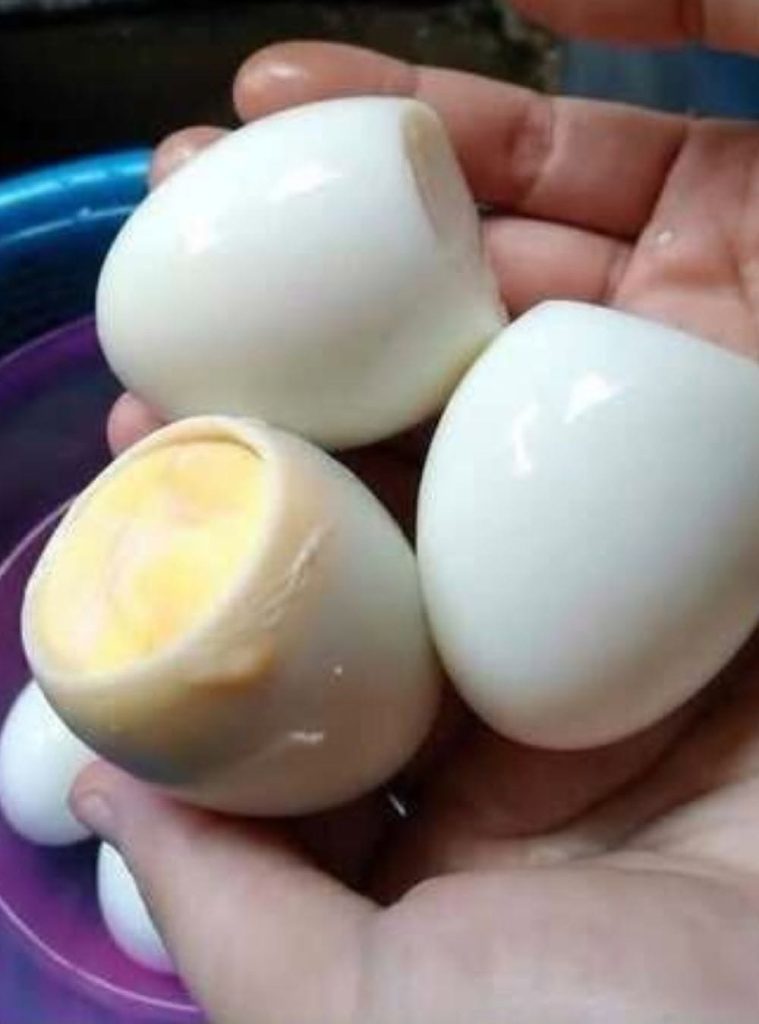
Hard-boiled eggs are one of the most versatile, nutrient-dense, and affordable staple foods in modern cooking. Whether you are preparing a quick high-protein breakfast, crafting creamy deviled eggs for a family gathering, tossing together a fresh cobb salad, or streamlining your weekly meal prep routine, mastering hard-boiled eggs is an essential culinary skill.
However, almost every home cook has experienced the frustration of peeling a hard-boiled egg only to have the delicate white egg protein tear away in stubborn, ragged chunks stuck to the shell. When you hold a perfectly peeled hard-boiled egg in your hand—flawlessly smooth, shiny, and intact—you are seeing the result of precise food chemistry and thermal control. In this comprehensive guide, we examine the science behind eggshell adhesion, detail the exact hot-start cooking method for effortless peeling, explore nutritional benefits, review meal planning economics, and outline practical kitchen tips to guarantee success every single time.
The Science of the Eggshell: Why Shells Stick to Egg Whites
To consistently peel hard-boiled eggs without damaging the smooth outer white layer, it helps to understand the structural anatomy of a chicken egg.
Directly beneath the hard calcium carbonate outer shell lie two microscopic fibrous structures: the outer membrane and the inner membrane. When an egg is raw, these membranes bind tightly to the albumin (egg white protein) matrix.
Factors That Influence Shell Adhesion
-
Egg pH and Freshness: Freshly laid eggs have a lower, more acidic pH (around 7.6 to 7.9). In acidic environments, the albumen proteins bind strongly to the inner shell membrane, making fresh eggs notoriously difficult to peel. As an egg ages over a week or two in the refrigerator, carbon dioxide slowly escapes through microscopic pores in the shell, raising the egg’s internal pH to roughly 9.2. This alkaline environment relaxes protein bonds, allowing the membrane to detach easily from the egg white.
-
Thermal Shock (Hot Start vs. Cold Start): Placing raw eggs into cold water and bringing them to a gradual boil causes the egg white proteins to heat slowly and coagulate directly onto the inner shell membrane, fusing them together. Dropping room-temperature eggs directly into boiling water or steam creates an instant thermal shock, causing the albumen proteins to denature rapidly and shrink away from the inner membrane.
-
The Ice Bath Contraction: Transferring hot boiled eggs immediately into a bath of ice water causes the internal egg proteins to contract slightly while creating steam condensation between the membrane and the shell, loosening the bond further.
Step-by-Step Method for Flawless Easy-Peel Eggs
Follow this tested, science-backed cooking technique to yield perfectly cooked, easy-to-peel hard-boiled eggs with zero grey yolk discoloration every time.
Ingredients and Equipment Needed
-
Eggs: 6 to 12 large eggs (preferably 1 to 2 weeks old for easiest peeling).
-
Water: Enough filtered water to submerge eggs by at least 1 inch in a large pot.
-
Ice Bath: A large bowl filled with 3 cups of ice cubes and cold water.
-
Baking Soda or Vinegar (Optional): 1/2 teaspoon of baking soda added to the water to increase alkalinity.
Step 1: Boiling the Water
Fill a medium saucepan or pot with water and bring it to a vigorous, rolling boil over high heat. Do not place the eggs into cold water.
Step 2: Adding the Eggs Gently
Lower the heat slightly to maintain a gentle boil. Using a slotted spoon, gently lower each egg into the boiling water one by one. Lowering them carefully prevents the shells from cracking against the bottom of the pot.
Step 3: Cooking to Desired Yolk Doneness
Maintain a gentle boil and set a timer based on your preferred yolk texture:
-
Soft-Boiled (Jammy Yolk): 6 to 7 minutes.
-
Medium-Boiled (Custard Yolk): 8 to 9 minutes.
-
Hard-Boiled (Firm, Creamy Yolk): 11 to 12 minutes.
Note: Avoid cooking eggs beyond 13 minutes. Overcooking causes sulfur in the egg whites to react with iron in the yolk, forming an unsightly greenish-grey ferrous sulfide ring around the yolk.
Step 4: The Crucial Ice Bath Shock
While the eggs are cooking, prepare a large bowl filled with ice and cold water. As soon as your timer rings, immediately transfer the eggs from the boiling pot into the ice bath using a slotted spoon. Let the eggs rest in the ice water for at least 10 to 15 minutes until completely cooled to room temperature.
Step 5: The Gentle Tap-and-Roll Peeling Method
Remove an egg from the ice bath. Gently tap the wider bottom end of the egg against a hard surface to crack the air pocket. Roll the egg gently on the counter under light palm pressure to create a web of micro-cracks across the shell. Submerge the egg back under water or hold it under cool running tap water as you peel; water glides beneath the membrane, sliding the shell off effortlessly in large pieces.
Nutritional Superiority and Health Benefits of Eggs
Eggs are widely considered one of nature’s most nutrient-complete foods, offering exceptional dietary value for individuals across all age groups.
| Nutrient | Biological Role | Health Benefit |
| Complete Protein | Provides all 9 essential amino acids in high bioavailability | Supports muscle repair, tissue growth, and long-term satiety |
| Choline | Essential for neurotransmitter synthesis (acetylcholine) | Promotes brain health, memory retention, and cognitive focus |
| Lutein & Zeaxanthin | Powerful carotenoid antioxidants concentrated in the eye | Protects retina from blue light damage and age-related degeneration |
| Vitamin D & B12 | Supports bone calcium absorption and red blood cell formation | Boosts immune resilience and sustained cellular energy production |
Financial Efficiency: Smart Meal Prep on a Budget
In an economic climate where grocery costs dictate weekly budgets, incorporating hard-boiled eggs into your routine offers substantial financial advantages.
High Nutritional Yield Per Dollar
Eggs remain one of the most affordable sources of high-quality animal protein available on market shelves. Preparing a dozen hard-boiled eggs at home costs only a few dollars while providing a week’s worth of quick, low-calorie, nutrient-dense breakfasts and snacks.
Reducing Food Waste Through Meal Prep
Hard-boiled eggs keep exceptionally well in the refrigerator for up to 7 days when kept in their shells. Batch-cooking eggs on Sunday prevents buying expensive convenience meals or fast-food breakfasts during busy workdays, keeping personal disposable income available for long-term savings, debt payoff, or retirement investments.
Practical Troubleshooting for Hard-Boiled Eggs
-
Problem: The Grey-Green Ring Around the Yolk: This is caused by overcooking or failing to cool eggs quickly in an ice bath. Stick strictly to an 11-to-12-minute cook time and shock the eggs in ice water immediately.
-
Problem: Cracked Shells During Boiling: Adding a tablespoon of white vinegar to the boiling water helps coagulate leaking egg whites instantly, sealing small hairline cracks before they leak.
-
Problem: Difficult Peeling Despite Ice Bath: The eggs used were likely laid very recently. Use older store-bought eggs that have rested in your refrigerator for 7 to 10 days for effortless peeling.
Fascinating Facts About Eggs and Culinary History
-
The Air Pocket Mystery: Every egg contains a tiny air cell between its inner and outer membranes at the wider bottom end. As an egg ages, it loses moisture, causing this air pocket to enlarge—which is why older eggs float in water while fresh eggs sink!
-
Yolk Color Determinant: The color of an egg yolk (ranging from pale yellow to deep orange) is determined entirely by the hen’s diet, specifically the level of natural carotenoids present in feed greens and corn.
-
The Chef’s Toque Hat Tradition: Traditional tall white chef hats (toques) famously feature 100 pleats, which historically symbolized the 100 different ways an expert chef could prepare an egg!
Business, Retail, and Agriculture Standards
For commercial food businesses, meal prep companies, and agricultural producers, egg production and processing follow strict quality and safety guidelines:
FDA Food Safety and Refrigeration Compliance
In the United States, the Food and Drug Administration (FDA) mandates that commercial shell eggs be stored and transported at $45^\circ\text{F}$ ($7.2^\circ\text{C}$) or lower to prevent Salmonella bacterial growth. Hard-boiled eggs processed commercially must meet strict pasteurization and handling standards.
Small Business Protection and Legal Services
Food entrepreneurs selling pre-packaged meal prep items or artisanal salads containing hard-boiled eggs must adhere to local health department cottage food laws. Consulting an experienced business attorney ensures proper food safety disclaimers, allergen labeling (eggs are a major Food Allergen Labeling Act allergen), and commercial general liability insurance coverage.
Conclusion
Mastering easy-peel hard-boiled eggs comes down to basic kitchen science: thermal shock, ice bath cooling, and using older eggs. By dropping eggs straight into boiling water and cooling them rapidly in ice water, you eliminate the frustration of torn egg whites and enjoy perfectly smooth, creamy eggs every single time. Incorporate this easy method into your weekly meal prep to enjoy healthy, affordable, high-protein food all week long!
Frequently Asked Questions (FAQ)
1. Why do fresh eggs stick to their shells when boiled?
Fresh eggs have a lower pH, which causes the egg white proteins to bind strongly to the inner shell membrane during cooking. As eggs age in the fridge, their pH rises, loosening this bond and making them much easier to peel.
2. Is it better to steam or boil eggs for peeling?
Both steaming and boiling work exceptionally well because both methods subject the raw eggs to instant thermal shock. Steaming eggs over boiling water for 12 minutes yields identical easy-peel results.
3. How long do hard-boiled eggs last in the refrigerator?
Unpeeled hard-boiled eggs stored in an airtight container last up to 7 days in the refrigerator. Once peeled, hard-boiled eggs should be eaten within 2 days for optimal freshness and texture.
4. Can you freeze hard-boiled eggs?
It is not recommended to freeze whole hard-boiled eggs or egg whites, as freezing turns the cooked albumen rubbery, watery, and tough. However, cooked egg yolks can be frozen successfully for use in fillings or toppings.
5. Why do some recipes recommend adding salt or baking soda to the water?
Adding baking soda raises the pH of the cooking water, which can penetrate the shell slightly to help loosen the membrane. However, the hot-start boiling method and immediate ice bath are far more effective than adding water additives alone.
