
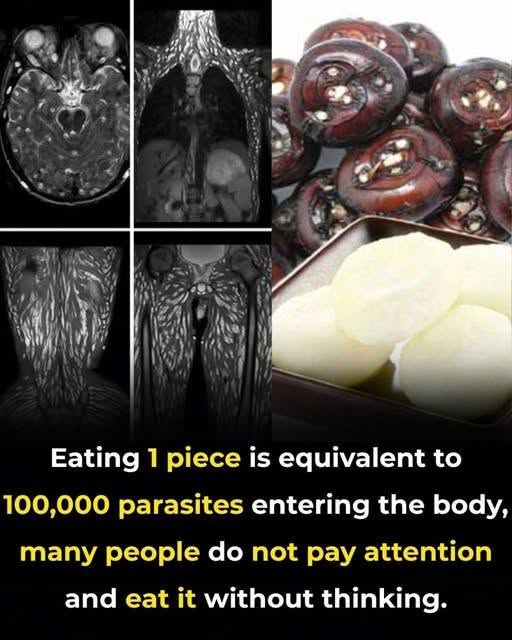
A alarming viral graphic featuring full-body medical scans filled with white rice-grain-like spots alongside images of raw water chestnuts has circulated widely across social media platforms. Claiming that eating a single piece of this aquatic vegetable exposes the body to over 100,000 parasites, the post has raised widespread anxiety among consumers.
While sensationalized claims on the internet frequently exaggerate numbers for viral engagement, the underlying health warning contains important medical facts. Raw aquatic vegetation—including water chestnuts, watercress, and lotus roots—can indeed harbor dangerous parasites if harvested from contaminated water sources and consumed without thorough washing or cooking. Furthermore, the dramatic medical scans shown in such viral posts illustrate severe parasitic conditions like neurocysticercosis and fasciolopsiasis. Here is a scientifically detailed breakdown of the parasites associated with raw aquatic plants, how parasitic infections occur, the distinction between tapeworm cysts and fluke infections, effective food safety practices, and long-term medical protections.
Understanding Parasitic Risks Associated with Aquatic Plants: Fasciolopsis buski
The specific parasite biologically linked to raw water chestnuts and other aquatic plants is Fasciolopsis buski, commonly known as the giant intestinal fluke.
The Life Cycle of the Giant Intestinal Fluke
-
Egg Release: Adult flukes living in the human or porcine (pig) intestine lay eggs that are excreted through feces into freshwater environments.
-
Intermediate Hosts: In freshwater ponds, the eggs hatch into larvae (miracidia) that infect aquatic snails.
-
Encystment on Plants: The larvae multiply inside snails and exit as free-swimming cercariae. These organisms attach to the outer skin and peel of aquatic plants—such as water chestnuts, water caltrops, water bamboo, and lotus roots—forming hard protective cysts called metacercariae.
-
Human Ingestion: When people peel raw water chestnuts using their teeth or consume raw, unwashed aquatic vegetables, they ingest the metacercariae cysts.
Once inside the human digestive system, the cysts excyst in the duodenum, attach to the intestinal wall, and mature into adult flukes, causing abdominal pain, persistent diarrhea, digestive blockages, and severe nutritional deficiencies if left untreated.
Deciphering the Scans: Neurocysticercosis vs. Fasciolopsiasis
The viral graphic pairs water chestnut photos with full-body magnetic resonance imaging (MRI) and computed tomography (CT) scans showing thousands of bright white calcified lesions. It is essential from a medical standpoint to clarify what these scans actually depict:
-
Cysticercosis and Neurocysticercosis: The dramatic scans featured in viral posts typically show severe cysticercosis—an infection caused by larval cysts of the pork tapeworm (Taenia solium). This condition occurs when a person ingests microscopic tapeworm eggs (usually through contaminated drinking water or poor hygiene/fecal-oral routes), allowing larvae to migrate into skeletal muscle, subcutaneous tissue, and the central nervous system (the brain).
-
Fasciolopsiasis: In contrast, Fasciolopsis buski (from raw water chestnuts) resides primarily in the gastrointestinal tract and does not produce widespread calcified muscle lesions across the brain and body in the manner shown in pork tapeworm scans.
However, both conditions underscore the vital necessity of food hygiene, safe agricultural practices, and proper food preparation.
Navigating Healthcare, Insurance, and Medical Protections
Diagnosing and treating parasitic infections requires specialized medical care, laboratory testing, and prescription anti-parasitic medications. Managing health risks intersects directly with household financial planning and health insurance:
1. Medical Services and Health Insurance Coverage
-
Utilizing Health Insurance Policies: Comprehensive health and primary medical insurance plans cover diagnostic stool parasite tests, blood panels, diagnostic imaging (such as abdominal ultrasounds or brain MRIs), and prescription anti-parasitic therapeutics (like praziquantel or albendazole).
-
Preventative Care and Consultations: Consulting a board-certified infectious disease specialist or gastroenterologist ensures accurate diagnosis and timely treatment if parasitic exposure is suspected.
2. Safeguarding Family Finance and Legal Assets
Managing health risks supports broader personal finance management:
-
Life Insurance Security: Maintaining robust personal health protection ensures long-term eligibility for preferred life insurance tiers.
-
Managing Mortgages and Wealth: Preventing costly chronic medical complications protects household savings, ensuring stable payments toward home mortgage obligations, ongoing education funds, and diversified investment portfolios dedicated to retirement.
-
Legal Protections and Food Safety: In cases of severe commercial food contamination or restaurant negligence, consulting qualified legal services or an experienced personal injury attorney protects consumer rights.
Fascinating Facts About Water Chestnuts and Food Safety
-
Not True Nuts: Despite their name, water chestnuts are not nuts at all! They are corms—edible tuberous roots of an aquatic sedge plant (Eleocharis dulcis) that grows submerged in freshwater marshes.
-
Crunchy Texture Secret: Water chestnuts remain crunchy even after cooking or canning because their cell walls are bound by ferulic acid, a compound that cross-links cell wall polymers to prevent softening under heat.
-
High Nutritional Value: Boiled or cooked water chestnuts are exceptionally low in calories, free of cholesterol, and rich in potassium, copper, manganese, vitamin B6, and dietary fiber.
-
Heat Kills Parasites: Parasitic cysts like metacercariae are easily destroyed by boiling water or thorough cooking, making cooked water chestnuts completely safe to consume.
Practical Food Safety Tips for Preparing Aquatic Vegetables
Enjoying water chestnuts and aquatic vegetables without risking parasitic exposure requires simple, effective kitchen safety procedures:
-
Never Peel Raw Water Chestnuts with Your Teeth: Parasitic cysts adhere directly to the outer skin and shell of raw water chestnuts. Using your teeth to peel raw tubers transfers cysts directly into your mouth.
-
Wash Thoroughly Under Running Water: Scrub all fresh aquatic tubers with a clean vegetable brush under running potable water to remove dirt and surface debris.
-
Always Cook Thoroughly: Boil, steam, or stir-fry fresh water chestnuts for at least 3 to 5 minutes before eating. High heat completely neutralizes parasite cysts, ensuring the food is entirely safe.
-
Opt for Canned Water Chestnuts: Commercial canned water chestnuts undergo high-temperature heat sterilization during processing, rendering them completely safe to eat directly from the can.
-
Practice Strict Kitchen Hygiene: Wash cutting boards, knives, and hands thoroughly after handling raw aquatic produce to prevent cross-contamination to other foods.
Final Thoughts
While viral social media posts often use shocking scans and dramatic numbers to create panic, the core message regarding food safety remains valid: raw aquatic plants can harbor dangerous parasites. By avoiding the practice of peeling raw water chestnuts with your teeth, washing fresh produce thoroughly, and always cooking aquatic vegetables before eating, you can comfortably enjoy their delicious crunch and rich nutrition with total peace of mind.
Frequently Asked Questions (FAQ)
Is it dangerous to eat raw water chestnuts?
Yes, consuming raw water chestnuts harvested from contaminated freshwater can expose you to parasitic cysts like Fasciolopsis buski. Peeling them with your teeth or eating them uncooked carries a risk of intestinal fluke infection.
Are canned water chestnuts safe to eat without cooking?
Yes. Commercial canned water chestnuts undergo thermal sterilization (boiling/canning) during production, which kills all potential parasites and bacteria, making them completely safe to eat right out of the can.
What are the symptoms of a parasitic infection from water chestnuts?
Symptoms of Fasciolopsis buski infection include abdominal pain, persistent diarrhea, nausea, bloating, vomiting, and unexplained weight loss. Severe cases can cause intestinal blockage and allergic swelling.
Does boiling water chestnuts kill parasites?
Yes! Boiling, steaming, or stir-frying fresh water chestnuts at high temperatures completely destroys parasitic cysts, making the food entirely safe for consumption.
