
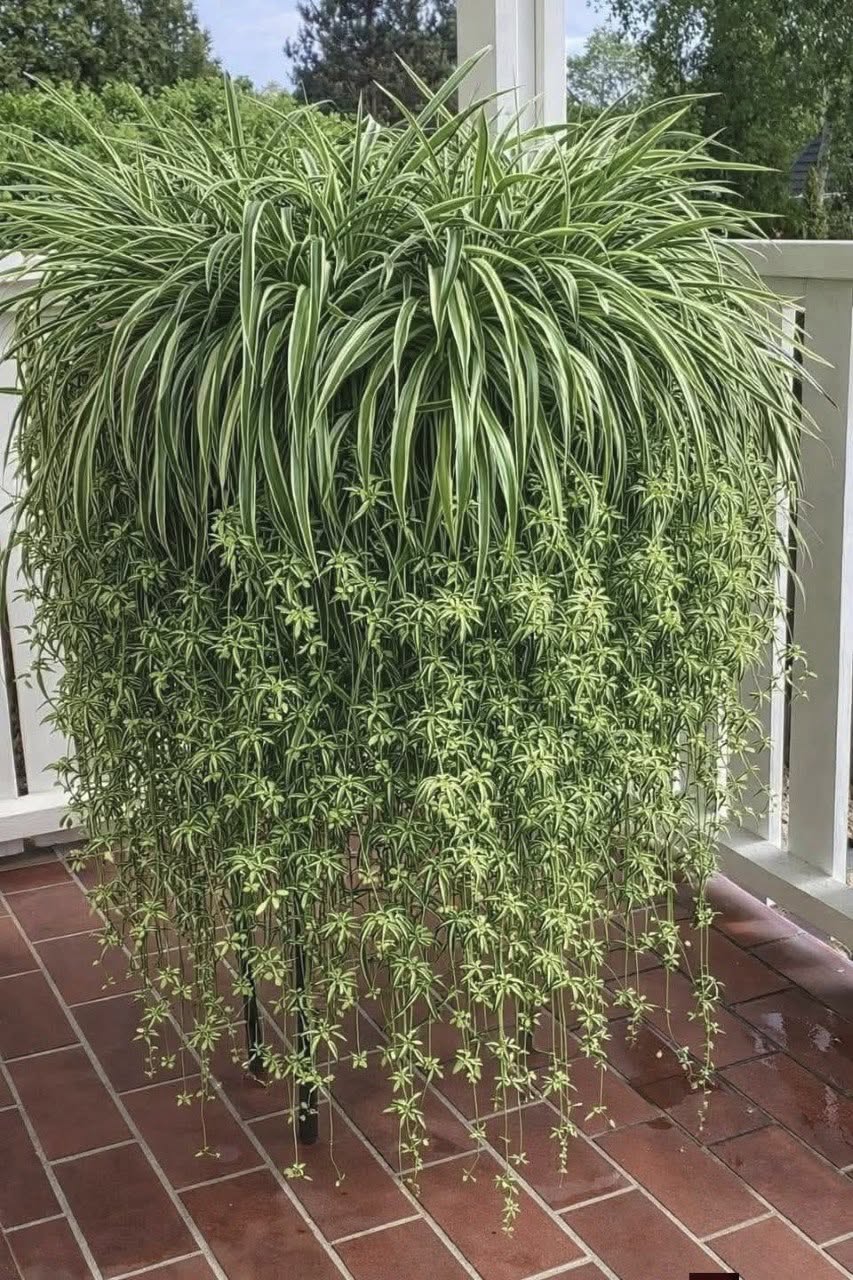
The spider plant (Chlorophytum comosum) is widely recognized as one of the most resilient, popular, and visually striking indoor houseplants in the world. Characterized by arching, arch-shaped variegated leaves and long, trailing runners laden with baby plantlets—commonly called “spiderettes” or “pups”—a healthy spider plant creates a dramatic, cascading curtain of lush greenery on any patio, balcony, or living room stand.
While spider plants are famously forgiving for beginner plant enthusiasts, achieving the lush, dense foliage and massive, cascading waterfall of baby offsets seen in peak specimens requires understanding specific horticultural conditions.
When spider plant leaves turn brown at the tips or refuse to produce runners, plant owners often wonder: How do you encourage maximum runner production? What lighting and soil conditions produce thick foliage? Is this iconic plant safe for pets?
In this ultimate indoor gardening, botany care, and plant propagation guide, we reveal the secrets to growing a thriving spider plant waterfall, detail step-by-step care protocols, explain easy propagation techniques, and discuss how indoor air-purifying plants protect your living space, property investment, and household finances.
The Botanical Secrets Behind Spider Plant “Waterfalls”
To encourage a spider plant to produce hundreds of dangling baby offsets, you must replicate its native subtropical habitat while triggering its natural reproductive mechanisms:
[ Root-Bound Container / Bright Light ] ──> Hormonal Stress Trigger ──> Long Stolon / Runner Production ──> "Spiderette" Waterfall
1. The “Root-Bound” Blooming Trigger
Unlike many houseplants that prefer spacious pots, spider plants actually produce the most offspring when their thick, fleshy tuberous roots become slightly pot-bound or snug in their container. When root space becomes constrained, the plant shifts metabolic energy from leaf production toward sending out long arching stems (stolons) to produce baby clones.
2. Light Intensity without Direct Sun
To support dense foliage growth and fuel energy-intensive runner production, spider plants require plenty of bright, indirect sunlight. Placing them near a sunlit window or covered patio provides optimal light without scorching delicate variegated leaf margins.
Spider Plant Care Matrix: Troubleshooting Common Issues
Maintaining optimal soil, light, and water conditions keeps foliage vibrant and prevents common physiological disorders:
| Care Parameter | Optimal Indoor Condition | Symptom of Imbalance | Corrective Action Plan |
| Light Exposure | Bright, indirect light / filtered sun | Pale, stretched leaves or scorched brown patches | Move closer to bright window; shield from harsh direct sun |
| Watering Needs | Allow top 50% of soil to dry before watering | Wilting pale leaves (under-watering) or mushy bases (over-watering) | Water thoroughly until draining; never let pot sit in standing water |
| Soil & Drainage | Well-draining peat/perlite potting mix | Yellowing leaves & root rot | Repot into porous container with drainage holes |
| Humidity / Water Quality | Moderate humidity; filtered or tap-rested water | Brown, crunchy leaf tips | Switch to distilled/rainwater to avoid fluoride & chlorine burn |
How to Propagate Spiderettes for Endless Free Plants
One of the greatest joys of owning a mature spider plant is propagating the trailing plantlets to grow new plants or share with friends and family:
Step 1: Water Propagation
-
Snip a fully formed baby plantlet from its trailing runner stem using clean, sterilized shears.
-
Place the bottom base of the plantlet into a small glass of fresh water, keeping the leaves dry above the rim.
-
Within 7 to 10 days, bright white roots will emerge from the base. Once roots reach 1 to 2 inches in length, transfer to potting soil.
Step 2: Soil Layering (Pinning Method)
-
Without cutting the baby plantlet off the main mother vine, press the base of the plantlet directly into a small pot filled with moist soil next to the main plant.
-
Secure the runner with a bent paperclip or bobby pin until the plantlet develops independent roots in the new soil (about 2 weeks).
-
Cut the connecting runner stem once the baby plant is securely rooted.
Financial and Health Protections: Healthy Home Environments
Incorporating air-purifying houseplants like spider plants into your home provides substantial advantages for your physical health, living space quality, and personal finance budget.
-
Natural Indoor Air Purification: Scientific studies demonstrate that spider plants actively absorb common volatile organic compounds (VOCs) and indoor air pollutants—such as formaldehyde, xylene, and carbon monoxide—improving home air quality and reducing respiratory irritants.
-
Non-Toxic and Pet-Safe Peace of Mind: Unlike many popular indoor plants (like pothos, philodendrons, or peace lilies) that are toxic to pets, spider plants are completely non-toxic to cats and dogs according to the ASPCA. Avoiding accidental pet poisonings protects your animals and eliminates unexpected out-of-pocket medical or emergency vet bills.
-
Low-Cost Home Decor and Investment: Houseplants represent a affordable, renewable home decor choice that enhances real estate appeal and staging presentation without expensive renovation costs, protecting your property investment and personal budget.
Frequently Asked Questions (FAQ)
Why are the tips of my spider plant leaves turning brown?
Brown leaf tips are usually caused by sensitive reactions to chemicals in municipal tap water (such as fluoride, chlorine, or salts) or low room humidity. To prevent brown tips, water your plant with distilled water, rainwater, or let tap water sit out uncovered for 24 hours before use.
Why is my spider plant not producing baby offsets?
If your spider plant is not producing runners, it may be receiving insufficient light or planted in a pot that is too large. Spider plants require bright, indirect light and slightly root-bound pot conditions to trigger offset production.
Do spider plants attract cats?
Yes! Cats are often drawn to spider plants not only because of their dangling movement, but because spider plants contain mild chemical compounds related to opium that produce a mild hallucinogenic effect in felines similar to catnip. While completely non-toxic, keeping large plants hanging out of reach keeps foliage looking its best.
How often should you fertilize spider plants?
Feed spider plants once a month during the active spring and summer growing season using a balanced, water-soluble houseplant fertilizer diluted to half strength. Avoid over-fertilizing, as excess mineral salts can burn roots and cause brown leaf tips.
Final Thoughts
Growing a breathtaking, waterfall-style spider plant is a rewarding, simple gardening project that brings life, clean air, and natural beauty into any home!
By providing bright indirect light, allowing soil to dry between waterings, using well-draining pots, and propagating baby plantlets, you can enjoy a vibrant green oasis and endless new plants for years to come!
