
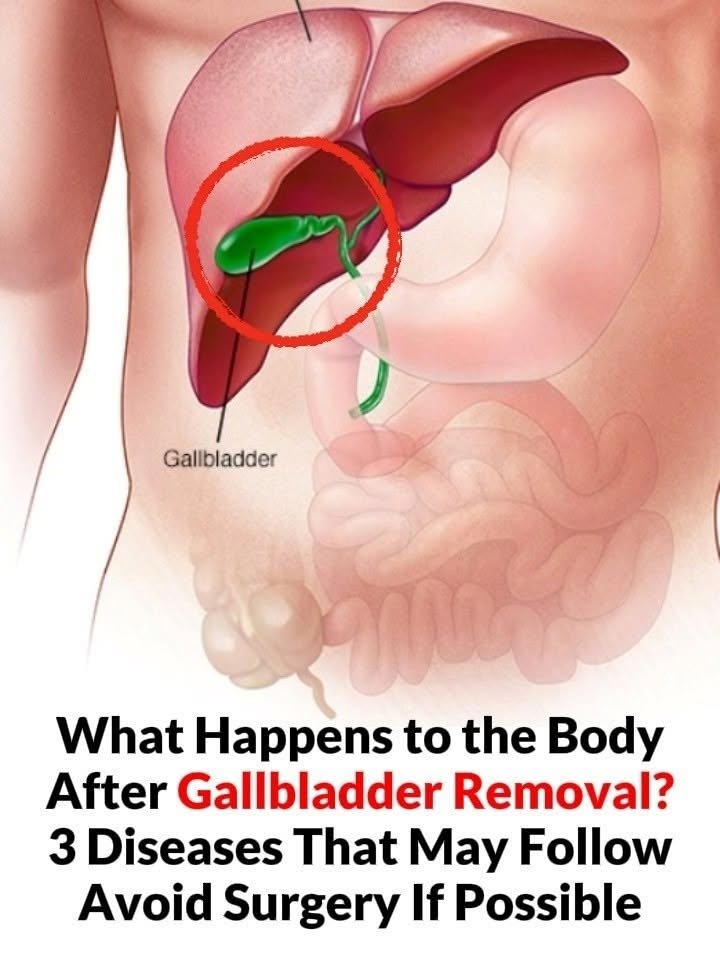
Gallbladder removal, medically known as a cholecystectomy, is one of the most frequently performed surgical procedures globally. Each year, hundreds of thousands of individuals undergo this surgery to alleviate acute pain, inflammation, and digestive distress caused by gallstones, biliary dyskinesia, or gallbladder disease.
The gallbladder is a small, pear-shaped organ situated right beneath the liver on the upper right side of the abdomen. Its primary responsibility is to store and concentrate bile—a bitter, greenish-yellow digestive fluid produced continuously by liver cells to emulsify dietary fats. While the gallbladder plays a helpful supportive role in digestive processing, human beings can live a healthy, full life without it. However, removing this organ fundamentally alters how bile enters the digestive tract, leading to noticeable physiological shifts, potential digestive changes, and specific conditions that require ongoing medical management. Here is a comprehensive guide to understanding what happens to your body after gallbladder removal, the physiological shifts involved, how to prevent post-surgical digestive distress, and key long-term wellness strategies.
How Digestion Changes Without a Gallbladder
To understand the post-surgical body, it helps to contrast how digestion functions before and after a cholecystectomy:
1. Digestion with a Healthy Gallbladder
When you consume a meal containing fats, your stomach releases hormones that signal the gallbladder to contract. The gallbladder squirts a concentrated, measured dose of stored bile through the common bile duct directly into the small intestine (duodenum) to break down fats into absorbable fatty acids and lipid compounds.
2. Digestion After Gallbladder Removal
Once the gallbladder is removed, the liver continues to produce bile at its normal baseline rate. However, without a central storage reservoir, bile can no longer be held in concentrated reserve until a meal arrives. Instead, bile drips continuously and steadily down the hepatic ducts directly into the small intestine, regardless of whether food is present.
Because bile is less concentrated and trickles continuously rather than releasing in concentrated bursts, digesting large, heavy, or high-fat meals becomes more challenging for the digestive system.
Potential Digestive Conditions and Shifts After Surgery
While the vast majority of patients adapt smoothly within a few weeks to months following surgery, some individuals experience lingering digestive issues or secondary biliary conditions. Understanding these possibilities empowers patients to work proactively with their healthcare providers:
1. Post-Cholecystectomy Syndrome (PCS)
Post-Cholecystectomy Syndrome refers to a collection of persistent or recurring gastrointestinal symptoms that mirror pre-surgery gallbladder pain. Symptoms include upper abdominal discomfort, bloating, nausea, gas, and early satiety. PCS can stem from altered bile flow dynamics, residual stones in the bile duct, or underlying digestive conditions like irritable bowel syndrome (IBS) or sphincter of Oddi dysfunction.
2. Bile Acid Diarrhea (Bile Acid Malabsorption)
Because bile drips continuously into the intestines, an excess amount of unabsorbed bile acids can pass directly into the large intestine (colon). In the colon, bile acids stimulate water and fluid secretion, triggering frequent, watery diarrhea, abdominal cramping, and urgent bowel movements—especially after eating fat-heavy foods.
3. Fatty Liver Disease and Metabolic Shifts
Bile plays a vital role in regulating lipid metabolism and gut hormone balance. Following gallbladder removal, the altered circulation of bile acids can influence how the liver processes fats and sugars. Some studies suggest that post-surgery patients should monitor liver function closely to reduce the long-term risk of non-alcoholic fatty liver disease (NAFLD) through dietary management.
Healthcare, Financial, and Legal Protections for Surgical Patients
Undergoing abdominal surgery and managing post-operative recovery involves essential healthcare decisions, financial considerations, and consumer protections:
1. Navigating Health Insurance and Medical Care
Surgical procedures, diagnostic imaging (like ultrasounds or MRCPs), and post-operative follow-up visits represent notable medical investments:
-
Utilizing Health Insurance Coverage: Securing comprehensive health and primary medical insurance ensures that pre-surgical diagnostics, hospital stay fees, surgeon honorariums, and follow-up GI consultations are properly covered.
-
Prescription Interventions: For patients suffering from persistent bile acid diarrhea, gastroenterologists can prescribe bile acid sequestrants (such as cholestyramine) to bind excess bile in the intestine, a treatment typically covered under standard health plans.
2. Financial Management and Life Insurance
Maintaining proactive digestive health directly supports stable personal finance management:
-
Life Insurance Considerations: Having a common, uncomplicated procedure like a gallbladder removal typically does not negatively affect life insurance eligibility or premium tiers once recovery is complete.
-
Managing Mortgages and Household Budgets: Minimizing long-term surgical complications through preventative dietary care avoids unexpected medical bills, protecting household budgets, ongoing mortgage obligations, and long-term investment growth for retirement.
3. Legal Services and Patient Rights
Ensuring high-quality surgical care requires an understanding of patient advocacy:
-
Engaging Legal Services: If surgical complications arise due to medical errors—such as accidental bile duct injury during surgery—consulting experienced legal services or a qualified medical malpractice attorney protects patient rights and covers secondary corrective treatments.
Practical Dietary Tips for Life After Gallbladder Removal
Adapting your nutrition after surgery allows your digestive tract to adjust smoothly to the continuous trickle of bile. Here are actionable dietary strategies for optimal comfort:
-
Reintroduce Fats Gradually: Focus on a low-fat diet during the first 4 to 6 weeks post-surgery. Slowly reintroduce healthy fats—such as avocados, olive oil, and nuts—in small, controlled portions to gauge tolerance.
-
Eat Smaller, More Frequent Meals: Eating 5 to 6 small, balanced meals daily prevents overwhelming the steady, un-concentrated bile supply flowing into your intestines.
-
Increase Soluble Fiber Intake: Soluble fiber (found in oats, barley, psyllium husk, apples, and beans) acts like a natural sponge, binding excess bile acids in the intestine and firming up loose stools.
-
Limit Trigger Foods: Reduce intake of greasy, deep-fried foods, heavy dairy, spicy dishes, highly processed snacks, and excessive caffeine, as these can trigger rapid bowel movements.
-
Stay Adequately Hydrated: Drink plenty of water throughout the day to support overall digestion and replenish fluids lost through post-surgical bowel changes.
Fascinating Facts About Bile and the Gallbladder
-
Continuous Production: The human liver produces between 500 to 1,000 milliliters (about 2 to 4 cups) of bile every single day, working non-stop around the clock!
-
Composition of Gallstones: Most gallstones are formed when stored bile contains excess cholesterol that hardens into solid crystals, while others are composed of calcium bilirubinate (pigment stones).
-
The Role of Lecithin: Bile contains natural lecithin and bile salts, which act like natural dish detergent, breaking large fat globules down into microscopic droplets so digestive enzymes can process them.
-
Laparoscopic Revolution: Prior to the late 1980s, gallbladder removal required a large abdominal incision with weeks of hospital recovery. Today, laparoscopic keyhole surgery allows most patients to go home the very same day.
Final Thoughts
While losing a gallbladder changes the mechanics of how bile enters your digestive system, your liver continues to perform its essential cleansing and digestive duties seamlessly. By understanding how your post-surgical body processes fats, adopting a gentle, fiber-rich diet, and staying in close communication with your healthcare team, you can comfortably navigate life after surgery and enjoy vibrant, symptom-free health.
Frequently Asked Questions (FAQ)
Can you live a normal life without a gallbladder?
Yes. The gallbladder is a storage organ, not a vital organ. After removal, the liver continues producing bile directly into the small intestine, allowing most people to live a full, healthy life with minor dietary adjustments.
What foods should be avoided immediately after gallbladder removal?
In the first few weeks following surgery, avoid high-fat, deep-fried, greasy, or heavily spiced foods, as well as full-fat dairy and heavy creams, as these can trigger bloating, gas, and watery diarrhea.
What is bile acid diarrhea, and how is it treated?
Bile acid diarrhea occurs when continuous bile flow reaches the large intestine, stimulating fluid secretion. It is commonly treated with dietary modifications (increasing soluble fiber) or prescription bile acid binders that absorb excess bile.
When should you see a doctor after gallbladder surgery?
You should contact your physician immediately if you experience severe abdominal pain, persistent fever, yellowing of the skin or eyes (jaundice), continuous vomiting, or redness/drainage around your surgical incisions.
