
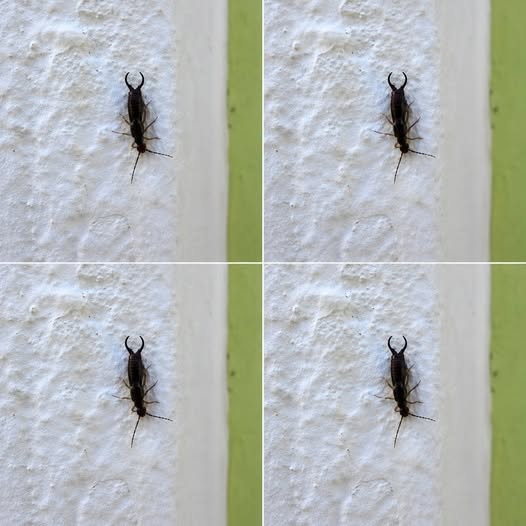
Noticing dark, elongated insects with intimidating rear pincers crawling near your home’s foundation, bathroom tiles, or garden soil can be alarming. Commonly known as earwigs (belonging to the insect order Dermaptera), these nocturnal creatures are among the most misunderstood pests found in residential landscapes.
Despite persistent urban legends suggesting that earwigs burrow into human ears while people sleep, entomologists and pest control specialists confirm that earwigs pose no physical danger to humans or pets. However, when outdoor populations surge during warm, damp seasons, earwigs frequently migrate indoors seeking moisture, shelter, and darkness.
In this ultimate home pest management, gardening, and preventive maintenance guide, we dispel common myths about earwigs, detail their ecological habits, outline proven natural and physical pest control methods, and discuss how protecting your home’s foundation safeguards your property investment and personal finances.
Earwigs Explained: Myths vs. Entomological Facts
Understanding earwig biology helps homeowners separate wives’ tales from practical pest management:
[ Outdoor Damp Environment ] ──> Excess Moisture / Heat ──> Migration to Indoor Gaps & Foundations
1. The “Ear Burrowing” Myth
The common name “earwig” stems from an ancient superstition claiming these insects crawl into ears to lay eggs or bore into brain tissue. Modern medical science confirms this is completely false. Earwigs are strictly outdoor scavengers interested in damp soil, decaying leaves, and organic debris—not human tissue.
2. The Purpose of the Rear Pincers (Forceps)
The prominent pincer-like appendages (cerci) located on the earwig’s abdomen serve functional biological purposes:
-
Defense Against Predators: Earwigs use their pincers to ward off predatory insects, spiders, and birds.
-
Prey Capture and Mating: Pincers help hold small insects or plant matter during feeding and play a key role during mating displays. While an adult earwig can pinch a human finger if squeezed tightly, the pinch is extremely mild, non-venomous, and rarely breaks the skin.
Earwig Identification vs. Household Pest Comparison
Distinguishing earwigs from other common crawling pests ensures proper home management strategies:
| Pest Feature | Earwig (Dermaptera) | Silverfish | Cockroach Nymph |
| Physical Feature | Dark brown body with prominent rear pincers | Silvery-gray teardrop shape with 3 tail filaments | Oval, flattened body with spiny legs & fast movement |
| Primary Habitat | Damp mulch, woodpiles, & damp basements | High-humidity bathrooms, attics, & paper products | Dark kitchens, pantries, & plumbing voids |
| Human Health Risk | None (Non-venomous & non-disease vector) | None (Damages paper & textiles) | High (Carries bacteria & triggers asthma) |
| Primary Diet | Decaying organic matter, leaves, & garden pests | Starches, glues, sugar, & book bindings | Food crumbs, grease, garbage, & organic material |
How to Keep Earwigs Out of Your Home Naturally
Because earwigs thrive in damp, dark environments, reducing moisture and sealing exterior entry points is the most effective long-term deterrent:
1. Reduce Exterior Moisture and Moisture Accumulation
-
Fix leaking outdoor spouts, hose connections, and air conditioner condensation lines.
-
Maintain a 6 to 12-inch clear zone between garden mulch, flower beds, and your home’s concrete foundation wall.
2. Eliminate Dark Shelter Around the Perimeter
Clean up leaf piles, rotting logs, damp firewood stacks, and garden clutter resting directly against exterior walls, as these serve as prime breeding grounds.
3. Seal Foundation Cracks and Entry Gaps
Inspect door thresholds, basement windows, and exterior siding gaps. Apply silicone caulk or weatherstripping to seal crack lines where insects enter.
4. Use Natural Traps or Food-Grade Diatomaceous Earth
-
Oil Traps: Set small cans filled with equal parts vegetable oil and soy sauce flush with garden soil. Earwigs are attracted to the aroma and fall inside.
-
Diatomaceous Earth (DE): Sprinkle food-grade diatomaceous earth around foundation perimeters and dark crawlspaces. The natural silica powder absorbs protective waxy coatings from insect exoskeletons, causing them to dehydrate naturally without toxic chemicals.
Financial and Safety Protections: Smart Home Maintenance
Practicing proactive home maintenance and moisture control delivers tangible advantages for your physical health, personal finance budget, and property valuation.
-
Protecting Home Structural Integrity: Earwigs migrating indoors often indicate hidden water leaks, poor drainage, or high basement humidity. Addressing underlying moisture issues early prevents costly wood rot, mold growth, and structural foundation repairs, protecting your home investment.
-
Avoiding Unnecessary Pest Control Expenses: Resolving pest entry points through simple DIY sealing, proper gutter drainage, and perimeter cleaning eliminates the need for expensive quarterly exterminator contracts, preserving your household budget.
-
Lowering Property Insurance and Repair Risks: Maintaining dry basements and well-drained foundations minimizes long-term water damage risks, supporting overall home upkeep and protecting long-term property values.
Frequently Asked Questions (FAQ)
Are earwigs harmful to indoor house plants or furniture?
No. Earwigs do not feed on dry furniture, carpet fibers, or structural wood, nor do they establish indoor nests. While they may occasionally nibble on tender garden seedlings or damp outdoor potted plants, they do not cause structural or indoor material damage.
Why do earwigs suddenly appear inside during summer or heavy rain?
Earwigs require high humidity to survive. Extreme weather conditions—such as hot, dry summer heat waves or prolonged heavy rainfall that floods outdoor soil—force earwigs to leave their natural soil habitats in search of cool, dark, damp shelter inside homes.
Can earwigs bite or sting humans?
Earwigs do not possess stingers and cannot bite in the traditional sense. Their only defensive tool is their pincers. While a large earwig might give a tiny pinch if picked up or handled roughly, it is harmless, contains no poison or venom, and requires only simple soap-and-water washing.
Do earwigs reproduce indoors?
It is extremely rare for earwigs to reproduce inside clean, dry homes. Earwigs require moist, nutrient-rich soil or organic mulch to lay eggs and rear nymphs. Once moisture sources inside a house are resolved, indoor earwig populations quickly disappear.
Final Thoughts
Earwigs may look intimidating with their rear pincers, but they are harmless outdoor scavengers that pose zero health or structural threat to your family!
By controlling exterior moisture, clearing organic debris near foundation walls, sealing entry gaps, and using natural deterrents, you can keep your home dry, pest-free, and protected for years to come!
