
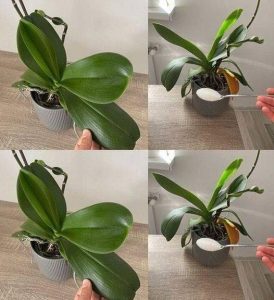
Orchids—particularly Phalaenopsis (moth orchids)—are among the most popular indoor flowering houseplants in the world. Admired for their elegant blooms and thick, glossy foliage, orchids add a touch of natural luxury to any room decor. However, many plant enthusiasts become frustrated when their orchids drop blossoms, develop limp or wrinkled leaves, or refuse to produce new flower spikes for months at a time.
In online gardening communities, feeding orchids spoonfuls of sugar, sugar water solutions, or rice water is frequently shared as a secret hack to stimulate rapid root growth and continuous blooming. While carbohydrates like sugar can provide temporary energy under specific circumstances, improper application can attract pests and trigger root rot. In this comprehensive indoor botanical, orchid care, and home organization guide, we will analyze how sugar and household nutrients affect orchids, explore evidence-based blooming techniques, review home insurance for plant collections, and discuss long-term property care.
The Truth About Feeding Sugar Water to Orchids
Understanding how orchids process carbohydrates and nutrients reveals the benefits and risks of using sugar water in orchid care:
1. How Sugar Water Affects Plant Cells
In nature, orchids produce their own glucose through photosynthesis using sunlight, water, and carbon dioxide. Feeding a weak sugar solution (such as 1 teaspoon of white sugar dissolved in 1 quart of warm water) to a dehydrated or stressed orchid can provide readily accessible carbohydrates that support cellular respiration and stress recovery—especially during repotting or root rehabilitation.
2. The Dangers of Excess Sugar: Bacteria and Mold
While a mild sugar rinse can support weak plants, pouring pure dry sugar or heavy sugar syrups directly into orchid potting media creates serious hazards:
-
Bacterial and Fungal Proliferation: High sugar concentrations feed soil bacteria and fungi, leading to mold outbreaks, unpleasant odors, and aggressive root rot (Phytophthora or Pythium).
-
Pest Infestations: Residual sugar in potting bark acts as a magnet for household pests like ants, fruit flies, fungus gnats, and roaches.
-
Osmotic Root Shock: High concentrations of dissolved sugar in root zones draw moisture out of orchid roots via osmosis, causing root dehydration rather than hydration.
Safe, Household Alternatives for Orchid Fertilization
For plant parents seeking natural ways to nourish orchids without commercial synthetic fertilizers, safer organic alternatives exist:
-
Diluted Rice Water: Water saved from rinsing un-salted white or brown rice is packed with trace minerals, starch, nitrogen, phosphorus, and potassium. Allow rice water to cool completely and dilute it before watering orchids once a month.
-
Weak Black Tea Rinses: Diluted, unsweetened black tea contains natural tannins that mimic the acidic runoff orchids experience growing on tree bark in wild rainforest canopy habitats.
-
Balanced 20-20-20 Orchid Fertilizer: Following the professional grower’s rule of “weekly, weakly”—using a quarter-strength balanced orchid fertilizer once a week during active growing seasons—guarantees essential macronutrient delivery without salt buildup.
Core Principles for Continuous Orchid Reblooming
Re-triggering orchid blooms relies primarily on lighting, temperature fluctuations, and proper watering rather than quick-fix remedies:
-
Provide Bright, Indirect Sunlight: Orchids need ample ambient light to photosynthesize energy for flower spikes. Place them near east-facing or shaded south-facing windows.
-
Induce Nighttime Temperature Drops: The most reliable trigger for Phalaenopsis orchids to initiate a new flower spike is exposure to autumn nighttime temperatures that drop 10°F to 15°F ($5^\circ\text{C}\text{ to }8^\circ\text{C}$) lower than daytime temperatures for 2 to 3 consecutive weeks.
-
Avoid Overwatering: Orchids are epiphytic plants that grow on trees in the wild; their aerial roots require oxygen. Allow coarse orchid bark or sphagnum moss to dry out slightly between waterings to prevent root suffocation.
Indoor Air Quality, Homeowners Insurance, and Property Protection
Incorporating healthy houseplants into your living space enhances home appeal and indoor environmental quality.
Enhancing Home Staging and Property Values
Healthy, flowering indoor plant displays dramatically elevate home aesthetics during real estate staging and open houses. Vibrant orchids signal meticulous home maintenance and care, creating inviting atmospheres for potential buyers.
Homeowners Insurance and Rare Botanical Protection
For serious indoor gardeners and plant collectors possessing rare orchid species, variegated cultivars, or extensive indoor greenhouses, plant collections represent substantial financial value. Reviewing your personal property limits under standard homeowners insurance or scheduled personal property endorsements ensures protection against HVAC equipment failures, house fires, or severe water damage.
Consumer Protection and Legal Rights
When purchasing specialized plant fertilizers, growth stimulants, or imported orchid species, consumer protection regulations govern fair advertising and agricultural import standards. Consulting legal services specializing in consumer advocacy or agricultural law helps resolve mislabeled product claims, plant nursery warranty disputes, or property damage issues effectively.
Fascinating Facts About Orchids and Botanical History
-
The Largest Plant Family: Orchidaceae is one of the two largest families of flowering plants on Earth, comprising over 28,000 individual species across every continent except Antarctica.
-
Vanilla Is an Orchid: Pure vanilla flavor is derived from the cured seed pods of Vanilla planifolia, a climbing tropical vine orchid native to Mesoamerica.
-
Epiphytic Roots: Orchid roots are coated in a spongy white tissue called velamen, which absorbs atmospheric humidity and nutrients directly from rain and air while anchoring the plant to tree bark.
Conclusion
While a very mild, occasional sugar water rinse can offer energy support to stressed or repotted orchids, relying on heavy sugar applications can attract household pests and cause destructive root rot. Re-triggering vibrant orchid blooms ultimately depends on bright indirect light, slight nighttime temperature drops, and proper watering techniques. By combining sound botanical care with organic nutrients and routine plant maintenance, you can keep your orchids flourishing and flowering year after year.
Frequently Asked Questions (FAQ)
1. How do you use sugar water safely on orchids?
Dissolve 1 teaspoon of plain white sugar in 1 quart of warm water, allow it to cool completely, and use it as a gentle root soak or leaf wipe for dehydrated or recovering orchids once every few months. Avoid pouring dry sugar directly into the potting bark.
2. How long does it take for an orchid to grow a new flower spike?
After an orchid finishes blooming, it typically enters a vegetative growth phase lasting 6 to 9 months to grow new leaves and roots. With proper light and autumn nighttime temperature drops, a new flower spike usually emerges within 2 to 3 months.
3. Why are my orchid’s leaves turning yellow and soft?
Soft, yellow leaves are most commonly caused by root rot from overwatering or poorly draining potting media. Inspect the roots: if they are brown and mushy, trim them away with sanitized shears, repot the orchid in fresh pine bark, and allow the media to dry out between waterings.
