
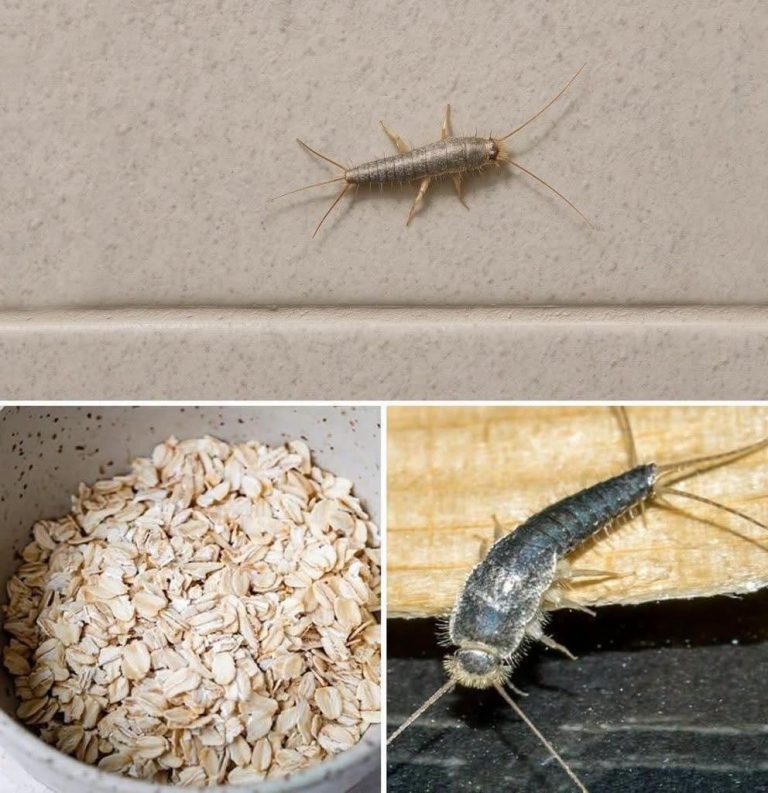
Finding small, metallic silver insects slithering across bathroom tiles, laundry room floors, or kitchen pantries is a frustrating experience for homeowners. Known as silverfish (Lepisma saccharinum), these wingless, nocturnal pests are named for their shimmering silvery scales and distinct fluid, fish-like swimming movements.
While silverfish do not bite humans, sting, or transmit infectious diseases, they are notorious household pests that feed on carbohydrates, starches, cellulose, and proteins. From rolled oats and cereal boxes to wallpaper paste, book bindings, and cotton garments, silverfish can damage household property if left unmanaged. In this comprehensive home care, entomology, and pest control guide, we will analyze why silverfish invade homes, explore natural eradication methods, review homeowners insurance, and discuss long-term property protection.
Why Silverfish Invade Homes and What They Eat
Silverfish are ancient insects that have survived for hundreds of millions of years by adapting to warm, humid micro-climates and scavenging abundant organic starches:
1. The Role of High Humidity and Moisture
Silverfish require high humidity levels (typically between 75% and 95%) to thrive and reproduce. They are drawn to damp household environments like unventilated bathrooms, basements, leaky under-sink cabinets, and crawlspaces where moisture accumulates.
2. What Attracts Silverfish to Your Pantry and Living Areas?
Silverfish produce specialized enzymes capable of digesting cellulose and starches. Common food sources inside homes include:
-
Pantry Staples: Unsealed boxes of rolled oats, flour, cornstarch, sugar, dried pasta, and pet food.
-
Paper and Adhesives: Book bindings, cardboard boxes, old newspapers, wallpaper glue, and gummed envelopes.
-
Fabrics and Textiles: Cotton, linen, silk, rayon, and starched synthetic clothing stored in dark closets.
Natural, Non-Toxic Ways to Eliminate Silverfish
Getting rid of silverfish does not require harsh chemical sprays. Simple household traps and natural deterrents effectively reduce infestations:
1. The Glass Jar and Oatmeal Trap
Silverfish love carbohydrates like rolled oats but struggle to climb smooth vertical glass.
-
Wrap the outside of a clean glass mason jar with textured masking tape so silverfish can climb up easily.
-
Place a tablespoon of dry rolled oats or flour inside the bottom of the jar.
-
Position the jar in damp corners or near pantry shelves overnight. Silverfish will climb in to eat the oats but will be trapped inside by the slick, bare glass walls.
2. Diatomaceous Earth (Food-Grade)
Dusting a thin layer of food-grade diatomaceous earth (DE) along baseboards, behind appliances, and inside dark cabinet corners offers a natural solution. DE consists of microscopic fossilized algae that absorb the protective waxy outer coating of silverfish, causing them to dehydrate naturally.
3. Essential Oils (Cinnamon, Clove, and Peppermint)
Silverfish strongly dislike pungent aromatic scents. Mixing 10 to 15 drops of clove, cinnamon bark, or peppermint essential oil with water in a spray bottle creates a natural repellent spray for baseboards and pantry perimeters.
Integrated Pest Management (IPM) and Moisture Control
Eliminating silverfish permanently requires controlling the environmental factors that allowed them to flourish:
-
Dehumidify Damp Spaces: Running a dehumidifier or air conditioner in basements and bathrooms keeps indoor relative humidity below 50%, making living spaces uninhabitable for silverfish.
-
Seal Food in Airtight Containers: Transfer pantry grains, oats, cereals, and flours out of cardboard boxes into heavy glass or hard plastic airtight containers.
-
Fix Minor Plumbing Leaks: Repair dripping faucets, sweating pipes, or faulty caulking around bathtubs promptly to remove water sources.
-
Declutter Cardboard Storage: Replace damp cardboard storage boxes in basements or attics with sealable plastic storage totes.
Home Maintenance, Property Insurance, and Property Protection
Controlling moisture-seeking pests directly protects structural integrity, personal belongings, and property value.
Preventing Structural Damage and Mold
Because silverfish thrive in high humidity, their presence frequently acts as an early indicator of hidden moisture problems—such as slow pipe leaks, poor roof drainage, or unventilated crawlspaces. Fixing moisture leaks prevents structural wood decay and costly toxic mold remediation.
Understanding Homeowners Insurance Coverage
Standard homeowners insurance policies exclude damage caused by household insects, silverfish, or vermin, classifying pest management as routine home upkeep. However, if a sudden plumbing burst causes water damage that subsequently attracts moisture-seeking pests, insurance may cover structural repairs associated with the primary plumbing fault.
Tenant Rights and Consumer Legal Advocacy
When renting apartments or homes, tenant rights laws mandate that landlords maintain clean, weather-tight, and habitable living spaces free of persistent pest infestations. Consulting legal services specializing in housing advocacy helps enforce lease agreements and landlord repair duties effectively.
Fascinating Entomology Facts About Silverfish
-
Ancient Evolutionary Lineage: Fossil records show that silverfish ancestors existed over 400 million years ago—predating dinosaurs and making them among the oldest wingless insects on Earth.
-
Remarkable Lifespan: Unlike most small insects that live for only a few weeks or months, silverfish have extraordinarily long lifespans, frequently living between 2 to 8 years in favorable conditions.
-
Molting into Adulthood: Silverfish are among the few insects that continue to molt (shed their exoskeletons) even after reaching full sexual maturity, shedding up to 50 times throughout their lives.
Conclusion
While silverfish are persistent pests attracted to damp spaces and starches like oats and paper, they can be managed using natural, eco-friendly strategies. By deploying simple glass jar traps, applying food-grade diatomaceous earth, running dehumidifiers, and storing pantry goods in airtight containers, you can keep your home dry, clean, and completely pest-free.
Frequently Asked Questions (FAQ)
1. Do silverfish bite humans or pets?
No. Silverfish do not possess biting mouthparts capable of breaking human skin, they do not sting, and they do not carry venom or infectious diseases. They are purely nuisance pests that damage paper, starches, and fabrics.
2. What attracts silverfish to bathrooms and kitchens?
Silverfish are attracted to high humidity, moisture condensation around drains or pipes, and dark crevices. In kitchens, they are drawn to unsealed boxes of grains, oats, flour, and cardboard packaging.
3. Can silverfish ruin clothes in closets?
Yes. Silverfish feed on natural fibers containing starches, proteins, or sugar residues, such as cotton, silk, linen, and rayon. Storing clothes clean and dry in plastic containers prevents silverfish from chewing small, irregular holes in garments.
