
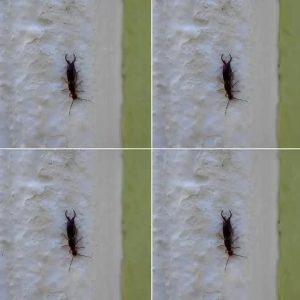
Finding a dark, slender insect with prominent rear pincers scurrying across a bathroom floor, kitchen counter, or outdoor patio can be startling. Known as earwigs (belonging to the order Dermaptera), these nocturnal insects are among the most misunderstood pests in North America and Europe. For centuries, urban legends claimed that earwigs crawl into human ears while people sleep to burrow into the brain—a terrifying myth that has given these harmless creatures an undeserved reputation.
In reality, earwigs are essential outdoor decomposers that play a beneficial role in natural garden ecosystems. However, when indoor humidity rises or outdoor weather turns hot and dry, earwigs can invade living spaces in search of damp shelter. In this comprehensive home care, entomology, and pest control guide, we will analyze earwig behavior, debunk long-standing urban myths, explore natural pest management, review homeowners insurance, and discuss home value protection.
Debunking the Myths: Do Earwigs Actually Crawl into Ears?
Understanding earwig biology helps eliminate common fears and reveals their true nature:
1. The Myth of Ear Invasion
The common name “earwig” originates from Old English (eare-wicga, meaning “ear-crawler”). Despite medieval folklore, earwigs do not target human ears, lay eggs in human brains, or burrow into internal organs. While any small insect can accidentally crawl near a sleeping person, earwig infestations inside human ears are extremely rare medical anomalies no more common than encounters with small beetles or spiders.
2. What Are Their Pincers (Forceps) For?
The alarming pincers protruding from the back of an earwig’s abdomen are called cerci. Earwigs use these pincers primarily for:
-
Defense Against Predators: Pinching aggressive insects, spiders, or small lizards.
-
Capturing Prey: Subduing small insects, aphids, and decay-causing larvae.
-
Mating Displays and Folding Wings: Assisting in folding their delicate membranous wings under short forewings after flight. While a large earwig can deliver a minor pinch to human skin if handled roughly, their pincers are not venomous and cannot break human skin or cause medical harm.
Why Earwigs Invade Homes and How to Prevent Them
Earwigs are thigmotactic organisms, meaning they prefer tight, dark, damp crevices where their bodies contact surfaces on all sides:
What Attracts Earwigs Indoors?
-
Excess Moisture and Leaks: Earwigs dehydrate rapidly in dry air. They enter homes through foundation cracks to seek humid micro-climates, such as damp basements, crawlspaces, under kitchen sinks, and near bathroom drains.
-
Outdoor Mulch and Overgrowth: Accumulations of wood bark mulch, decaying leaf litter, stacks of firewood, and thick ground cover against foundation walls provide ideal outdoor breeding grounds.
-
Nighttime Outdoor Lighting: Like many insects, earwigs are attracted to bright white exterior porch lights and window illumination.
Natural and Integrated Pest Control Strategies
-
Reduce Outdoor Moisture and Clutter: Clear dead leaves, damp wood piles, and heavy organic mulch at least 12 to 18 inches away from house foundations.
-
Seal Entry Points: Use silicone caulk and expanding foam to seal gaps around basement windows, utility line penetrations, sliding door tracks, and exterior weatherstripping.
-
Deploy Simple Traps: Place small saucer traps filled with equal parts vegetable oil and soy sauce in damp basement corners or garden beds. Earwigs are attracted to the savory aroma, crawl in, and cannot escape.
Home Maintenance, Property Insurance, and Pest Damage Protection
Managing moisture-loving household pests directly protects structural integrity and property value.
Controlling Moisture to Prevent Mold and Structural Damage
Because earwigs thrive in damp conditions, their presence inside living spaces often serves as an early warning indicator of hidden household moisture issues—such as leaking pipes, poor drainage, or unventilated crawlspaces. Installing dehumidifiers, repairing plumbing leaks, and improving foundation grading prevents structural wood rot and costly toxic mold remediation.
Understanding Homeowners Insurance Coverage
Standard homeowners insurance policies generally exclude damage caused by insect infestations, classifying pest control as routine home maintenance. However, if an underlying sudden plumbing burst causes water damage that subsequently attracts moisture-seeking pests, insurance may cover structural repairs related to the primary water event.
Tenant Legal Rights and Property Advocacy
For individuals renting apartments or homes, landlords are legally obligated under implied warranty of habitability statutes to keep rental properties weather-tight and free of severe pest infestations. Consulting legal services specializing in housing advocacy helps enforce lease agreements and landlord maintenance obligations effectively.
Fascinating Biological Facts About Earwigs
-
Maternal Care Rarity: Unlike 99% of non-social insects, female earwigs demonstrate extraordinary maternal care. Mother earwigs guard their egg clutches through the winter, clean eggs meticulously to prevent fungal growth, and feed newly hatched nymphs until their first molt.
-
Hidden Origami Wings: Despite rarely flying, earwigs possess complex secondary wings folded intricate 10 times beneath short leather-like covers, unfolding in seconds using mechanical elasticity without muscular force.
-
Beneficial Garden Predators: In outdoor gardens, earwigs eat large quantities of damaging aphids, mite populations, and plant-destroying insect eggs, serving as natural biological pest control agents for organic gardeners.
Conclusion
Earwigs may look intimidating with their abdominal pincers, but they are completely harmless to humans, free of venom, and incapable of burrowing into ears. Rather than dangerous pests, their presence inside your home is simply a signal that moisture levels are elevated. By sealing foundation gaps, reducing outdoor mulch against walls, fixing plumbing leaks, and deploying simple oil traps, you can keep your home dry, pest-free, and comfortable year-round.
Frequently Asked Questions (FAQ)
1. Do earwigs bite or sting humans?
Earwigs do not possess stingers or venom glands, and they do not bite with mouthparts. If picked up, they may attempt to pinch skin with their abdominal forceps, but the pinch is very weak, harmless, and rarely breaks skin.
2. Why am I suddenly seeing earwigs inside my bathroom or basement?
Earwigs enter homes when outdoor conditions become too dry or excessively flooded. They migrate indoors searching for damp, cool environments like basements, laundry rooms, and bathrooms where water condensation or minor plumbing leaks exist.
3. Will earwigs damage my house or eat wood?
No. Unlike termites or carpenter ants, earwigs do not eat structural wood, destroy dry-wall, or damage household furniture. They feed primarily on decaying plant matter, fungi, algae, and small insects.
