
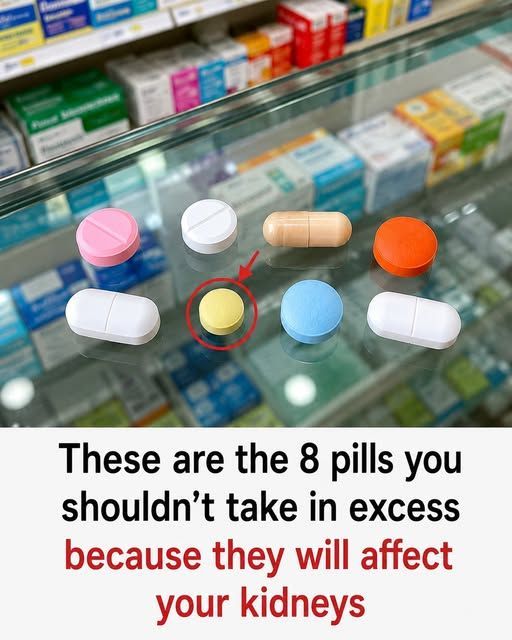
Every year, millions of adults reach into their medicine cabinets for quick relief from headaches, joint pain, muscle aches, heartburn, or common infections. Over-the-counter (OTC) pain relievers, prescription medications, and daily supplements are so easily accessible in modern pharmacies that we often take their safety for granted. However, taking higher doses than recommended—or relying on them for weeks and months at a time—can quietly cause severe, irreversible damage to one of your body’s most critical vital organs: your kidneys.
Your kidneys are two bean-shaped organs working continuously in the background to filter metabolic waste, balance bodily fluids, regulate blood pressure, and maintain healthy electrolyte levels. When you ingest medications or supplements, your kidneys and liver process and clear those chemical compounds from your bloodstream. Excessive use or improper combinations of certain drugs can cause direct cellular toxicity, restrict renal blood flow, and trigger chronic kidney failure.
This comprehensive guide breaks down the biological mechanisms of renal filtration, identifies 8 major drug categories that pose serious risks to kidney health when taken in excess, outlines the symptoms of drug-induced kidney injury, and provides actionable steps to protect your renal function for life.
The Vital Role of Kidneys in Medication Metabolism
To understand why excessive medication causes kidney damage, it helps to understand how renal filtration works. Every single day, your kidneys filter approximately 120 to 150 quarts of blood to produce 1 to 2 quarts of urine, extracting waste products and excess fluid.
                  BLOOD FILTRATION AND RENAL EXCRETION
                                   │
      ┌────────────────────────────┴────────────────────────────┐
      ▼                                                         ▼
 RENAL ARTERIES                                          NEPHRONS (GLOMERULI)
 Delivers blood & systemic                               Filters waste, toxins, & drug
 medications into kidneys                                metabolites from bloodstream
                                                                │
      ┌─────────────────────────────────────────────────────────┘
      ▼
 KIDNEY TUBULES
 Concentrates urine & excretes
 processed drug compounds
How Medications Cause Renal Damage (Nephrotoxicity)
When medications pass through the microscopic filtering units inside your kidneys—known as nephrons—they can trigger damage through three primary mechanisms:
-
Reduced Blood Flow (Hemodynamic Changes): Certain drugs cause the blood vessels leading to the kidneys to constrict, starving kidney tissue of vital oxygen and nutrients.
-
Direct Cellular Toxicity: Highly concentrated drug metabolites can directly damage the cells lining the kidney tubules, leading to acute tubular necrosis.
-
Allergic & Inflammatory Reactions: Some medications trigger an allergic response inside the kidney tissues, causing severe inflammation (interstitial nephritis) that impairs normal filtration.
The 8 Medication Categories That Can Harm Your Kidneys When Taken in Excess
While many medications are safe and beneficial when used strictly as directed, excessive doses or chronic long-term usage can put your renal health at risk. Here are eight major classes of drugs and supplements that require careful monitoring.
1. Nonsteroidal Anti-Inflammatory Drugs (NSAIDs)
Over-the-counter pain relievers such as ibuprofen, naproxen, and aspirin (as well as prescription NSAIDs like celecoxib) are among the most common causes of drug-induced kidney damage.
-
How They Cause Harm: NSAIDs inhibit prostaglandin synthesis—hormone-like chemicals that keep the blood vessels supplying the kidneys dilated. Taking high doses of NSAIDs reduces blood flow to the kidneys, which can cause fluid retention, high blood pressure, and acute kidney injury (AKI).
-
Who Is at Risk: Individuals with pre-existing kidney disease, high blood pressure, or heart disease, as well as adults over the age of 60, face significantly elevated risks when taking NSAIDs regularly.
2. Acetaminophen (High Doses & Combined Usage)
Acetaminophen is widely used for pain relief and fever reduction. While generally gentler on the stomach than NSAIDs, taking it in high amounts can present health risks.
-
How It Causes Harm: While acetaminophen is primarily processed by the liver, toxic overdoses or chronic excessive usage generates harmful reactive metabolites that strain both hepatic and renal tissues. Combining high doses of acetaminophen with alcohol or other medications dramatically increases toxicity risks.
3. Proton Pump Inhibitors (PPIs)
Common acid reflux and heartburn medications—such as omeprazole, esomeprazole, and pantoprazole—are widely available both over the counter and by prescription.
-
How They Cause Harm: Clinical studies show that long-term, high-dose use of PPIs is linked to an increased risk of chronic kidney disease (CKD) and acute interstitial nephritis. Because acid reflux symptoms are so common, many individuals remain on PPI therapy for years without periodic medical reviews.
4. Certain Antibiotics (Aminoglycosides and Vancomycin)
Antibiotics are vital for treating bacterial infections, but specific classes require careful dosage monitoring by healthcare professionals.
-
How They Cause Harm: Powerful intravenous antibiotics such as gentamicin, tobramycin, and vancomycin can accumulate inside the proximal tubule cells of the kidneys, causing direct cellular toxicity. Doctors carefully monitor blood serum levels and renal function markers when administering these medications in clinical settings.
5. Diuretics (“Water Pills”)
Diuretics like furosemide, hydrochlorothiazide, and spironolactone are commonly prescribed to manage high blood pressure, heart failure, and fluid retention.
-
How They Cause Harm: When taken in excess or without adequate fluid monitoring, diuretics can cause severe dehydration, electrolyte imbalances, and reduced overall blood volume. STARVING the kidneys of proper hydration impairs their filtration capability and can trigger pre-renal acute kidney injury.
6. Angiotensin-Converting Enzyme (ACE) Inhibitors and ARBs (When Overused or Combined)
Blood pressure medications such as lisinopril, enalapril, losartan, and valsartan are actually prescribed to protect kidney function in diabetic patients. However, misuse or improper drug combinations can alter their effects.
-
How They Cause Harm: ACE inhibitors and ARBs alter pressure dynamics within the kidney’s filtering units (glomeruli). If a patient becomes severely dehydrated, or takes these medications simultaneously with high-dose NSAIDs and diuretics (a clinical scenario known as the “triple whammy”), kidney filtration pressure can plummet, leading to sudden renal failure.
7. Over-the-Counter Laxatives (Phosphate-Based)
Over-the-counter oral laxatives and bowel cleansers used prior to medical procedures can pose risks if used excessively for weight loss or chronic constipation.
-
How They Cause Harm: Laxatives containing sodium phosphate can cause calcium phosphate crystals to deposit directly within the renal tubules—a condition known as acute phosphate nephropathy. This can result in permanent loss of kidney function.
8. Certain Dietary & Herbal Supplements
Many consumers assume that “natural” herbal supplements are inherently safe. However, unregulated or high-dose herbal remedies can contain compounds that strain kidney function.
-
How They Cause Harm: Herbal products containing aristolochic acid (found in certain traditional botanical formulations) are direct renal toxins capable of causing irreversible kidney failure and urothelial cancer. Additionally, high-dose Vitamin C supplements (exceeding 2,000 mg daily) can lead to excessive oxalate production, forming kidney stones that block urine flow.
Comparing Pain Relievers: Renal and Health Impact
Choosing the right over-the-counter medication depends heavily on your medical history, kidney function, and overall health status.
| Medication Class | Common Brand Examples | Primary Renal Effect | High-Risk Factors | Safe Usage Tip |
| NSAIDs | Ibuprofen, Naproxen | Constricts renal blood vessels | Pre-existing CKD, Dehydration | Use lowest effective dose for $< 10$ days. |
| Acetaminophen | Tylenol | Hepatic/Renal toxicity in high doses | Heavy alcohol consumption | Do not exceed 3,000–4,000 mg per 24 hours. |
| PPIs | Omeprazole, Nexium | Chronic interstitial inflammation | Long-term unmonitored use | Limit OTC use to 14-day courses unless directed by a doctor. |
| Phosphate Laxatives | Fleet Phospho-Soda | Crystal deposition in tubules | Elderly, Kidney disease | Avoid long-term use for simple constipation. |
Recognizing the Early Signs of Kidney Strain
Kidney disease is often called a “silent killer” because early renal impairment rarely causes obvious pain or immediate symptoms. By the time noticeable symptoms appear, significant filtration capacity may already be lost.
Warning Signs of Drug-Induced Kidney Damage
-
Changes in Urination: Noticeably decreased urine output, dark or foamy urine, or needing to urinate frequently during the night.
-
Fluid Retention (Edema): Swelling in the legs, ankles, feet, hands, or face due to the body retaining excess fluid and sodium.
-
Persistent Fatigue & Brain Fog: Toxic waste accumulation in the blood (uremia) causes weakness, lethargy, and difficulty concentrating.
-
Nausea and Loss of Appetite: Build-up of metabolic waste products irritates the digestive system, causing persistent nausea, metallic taste in the mouth, and poor appetite.
-
Unexplained High Blood Pressure: Because kidneys regulate systemic fluid balance and blood pressure hormones, impaired function often triggers sudden spikes in blood pressure.
If you observe these symptoms while taking high doses of medications, seek prompt evaluation from a medical professional.
Financial, Insurance, and Healthcare Considerations
Managing chronic kidney disease (CKD) or end-stage renal disease (ESRD) carries substantial financial, personal, and medical costs.
The True Cost of Chronic Kidney Disease
-
Medical Expenses: Managing advanced kidney failure requires costly medical care, including prescription regimens, regular laboratory monitoring, specialized nephrology consultations, and potentially dialysis or kidney transplantation.
-
Health and Life Insurance Impact: Developing chronic conditions like CKD can complicate obtaining affordable health, life, or disability insurance coverage.
-
Prevention Over Treatment: Practicing safe medication habits, avoiding unnecessary high-dose OTC drug usage, and maintaining routine annual blood tests (such as Serum Creatinine and eGFR) are simple, highly effective ways to avoid severe medical costs.
Practical Rules for Protecting Your Kidneys
You do not have to avoid necessary medications entirely to keep your kidneys healthy. Following sensible guidelines ensures you receive therapeutic benefits without risking kidney health.
1. Stay Hydrated When Taking Medications
Water helps your kidneys filter and excrete drug metabolites efficiently. Unless your physician has placed you on a fluid restriction due to heart failure or advanced kidney disease, drink plenty of water throughout the day—especially when taking pain relievers, antibiotics, or exercising.
2. Never Exceed Recommended Dosages
Always read product labels carefully. Avoid taking multiple over-the-counter products simultaneously without checking their active ingredients; many cold, flu, and headache medications contain hidden doses of acetaminophen or NSAIDs.
3. Inform Your Healthcare Team of All Supplements
Keep an updated list of every prescription drug, over-the-counter product, vitamin, and herbal supplement you take. Share this list with your physician and pharmacist to check for potential drug interactions.
4. Schedule Annual Kidney Function Tests
If you take medications for high blood pressure, diabetes, acid reflux, or chronic pain, request routine annual blood and urine tests:
-
eGFR (Estimated Glomerular Filtration Rate): Measures how effectively your kidneys are filtering waste from your blood.
-
Serum Creatinine: Checks levels of creatinine, a normal muscle breakdown product that elevates when kidney function declines.
-
Urine Albumin-to-Creatinine Ratio (uACR): Detects early protein leakage in the urine, a key early indicator of kidney damage.
Conclusion: Take Charge of Your Renal Health
Medications and health supplements offer immense therapeutic value when used correctly, relieving pain, treating infections, and managing chronic disease. However, taking pain relievers, proton pump inhibitors, diuretics, or unverified supplements in excess can place severe stress on your kidneys.
By using the lowest effective doses, limiting the duration of over-the-counter drug use, staying well-hydrated, and scheduling regular check-ups with your doctor, you can protect your kidneys and maintain overall health for years to come.
Frequently Asked Questions (FAQ)
1. Can kidney damage from over-the-counter pain relievers be reversed?
In many cases, acute kidney injury (AKI) caused by short-term overuse of NSAIDs or other medications can be reversed if the offending drug is stopped promptly and proper hydration is restored under medical supervision. However, chronic long-term overuse can cause permanent scarring and irreversible chronic kidney disease (CKD).
2. Is acetaminophen safer for the kidneys than ibuprofen?
For individuals with existing kidney disease, reduced renal function, or high blood pressure, acetaminophen is generally considered a safer choice for mild-to-moderate pain than NSAIDs like ibuprofen because it does not restrict renal blood flow. However, acetaminophen must still be taken within recommended daily dosage limits to prevent liver and tissue toxicity.
3. How much water should I drink to protect my kidneys while taking medication?
For most healthy adults, drinking 8 to 10 glasses (about 2 liters) of water daily supports normal kidney filtration. Adequate hydration dilutes drug metabolites passing through the nephrons, reducing the risk of cellular irritation and kidney stone formation.
4. Can taking daily heartburn medication really harm my kidneys?
Yes. Clinical research shows that long-term, unmonitored use of Proton Pump Inhibitors (PPIs) like omeprazole is associated with a higher risk of acute interstitial nephritis and gradual decline in kidney function. If you rely on daily acid reflux medication for more than 14 days, consult your physician for a comprehensive evaluation.
5. What is the safest pain reliever for someone with high blood pressure or kidney disease?
Acetaminophen is typically the preferred first-line pain reliever for individuals with high blood pressure or underlying kidney conditions, as it does not cause fluid retention or constrict renal blood vessels like NSAIDs do. Always consult your healthcare provider or pharmacist before starting any new medication regimen.
