
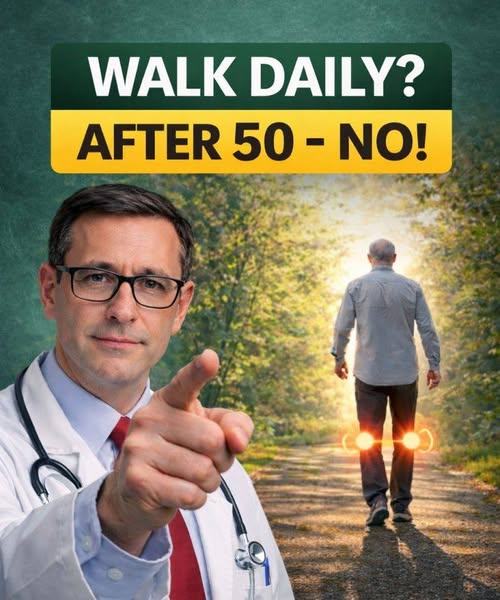
Walking is often praised as the ultimate low-impact exercise for older adults. It is accessible, safe, free, and excellent for cardiovascular maintenance. However, relying exclusively on daily walking after age 50 leaves critical physical needs unaddressed. As the body ages, natural muscular atrophy, decreased bone density, and metabolic shifts require a more comprehensive fitness strategy.
While walking is a fantastic foundational activity, pairing it with targeted strength, balance, and mobility training ensures optimal longevity, physical independence, and joint health.
Why Daily Walking Alone Falls Short After 50
Understanding the natural physiological shifts that occur after age 50 helps explain why walking alone does not fully protect against age-related decline.
+-------------------------------------------------------------------------------+
|                       PHYSIOLOGICAL SHIFTS & EXERCISE NEEDS                   |
+--------------------------+----------------------------------------------------+
| AGE-RELATED CHANGE       | LIMITATION OF WALKING ALONE                        |
+--------------------------+----------------------------------------------------+
| Sarcopenia (Muscle Loss) | Walking works lower legs, missing upper body & core.|
| Osteopenia (Bone Loss)   | Low impact does not stimulate upper skeleton density.|
| Balance & Stability      | Forward movement misses lateral stability muscles.|
| Metabolic Slowdown       | Moderate walking burns fewer resting calories.    |
+--------------------------+----------------------------------------------------+
1. It Does Not Stop Sarcopenia (Age-Related Muscle Loss)

Starting around age 30, adults lose 3% to 5% of their muscle mass per decade, a rate that accelerates significantly after age 50. While walking engages the calves and hamstrings, it does not provide enough mechanical resistance to build or preserve upper body, core, or major leg muscle groups.
2. Limited Impact on Bone Density
To stimulate bone remodeling and fight osteoporosis, bones require progressive weight-bearing mechanical stress. Walking provides low-impact stress to the lower limbs, but it does not stress the spine, wrists, or upper body, leaving overall bone density vulnerable.
3. Neglects Lateral Stability and Joint Balance
Walking occurs entirely in a single plane of motion (forward linear movement). It fails to strengthen the lateral stabilizer muscles—such as the gluteus medius—which are essential for maintaining balance, preventing falls, and supporting hip joint integrity.
The Complete Post-50 Fitness Strategy
Combining low-impact cardio with progressive resistance and mobility training creates a well-rounded routine for overall vitality.
1. Progressive Resistance Training (2 to 3 Days per Week)
Incorporate bodyweight exercises, resistance bands, or dumbbells targeting major muscle groups. Exercises like squats, wall push-ups, rows, and lunges build lean muscle tissue, protect joints, and maintain metabolic output.
2. Core and Balance Conditioning
Integrate balance-specific exercises such as single-leg stands, tandem walking, or tai chi. Strengthening deep core muscles and improving proprioception dramatically reduces fall risks.
3. Joint Mobility and Flexibility Work
Daily dynamic stretching or gentle yoga keeps connective tissue pliable, reduces lower back stiffness, and preserves healthy range of motion in the hips and shoulders.
Financial, Safety, and Long-Term Health Benefits
Adopting a complete fitness approach provides major health and lifestyle advantages for aging adults.
Fall Prevention and Emergency Medical Cost Savings
Falls represent a leading cause of severe injury and loss of independence among seniors. Building leg strength, joint stability, and core strength through targeted exercises reduces fall risks, preventing expensive emergency room visits, surgery, and long-term care costs.
Preserving Metabolic Efficiency and Weight Management
Lean muscle tissue burns significantly more calories at rest than fat tissue. Maintaining muscle mass through resistance training counteracts metabolic slowing, supporting healthy weight control and reducing Type 2 diabetes risks.
Practical Tips for Exercise After 50
-
Prioritize Warm-Ups: Spend 5 minutes performing light mobility work to lubricate joints before starting physical exercise.
-
Focus on Form Over Weight: Master movement patterns with bodyweight or light resistance before increasing loads to avoid joint strain.
-
Allow Rest Days: Muscle recovery takes longer as we age. Schedule dedicated rest days between strength workouts for proper recovery.
-
Listen to Your Joints: Sharp or localized joint pain is a signal to modify the exercise; aim for muscle fatigue rather than joint discomfort.
Fascinating Facts About Aging and Strength
-
Reversible Muscle Loss: Research shows that adults in their 70s and 80s can gain significant muscle mass and strength through just 10 to 12 weeks of consistent resistance training.
-
Basal Metabolic Rate: Maintaining muscle mass helps prevent the 2% to 3% metabolic drop per decade that typically begins in midlife.
-
Bone Remodeling: Bone is living tissue that responds directly to force; lifting weights signals bone cells (osteoblasts) to lay down new tissue.
Conclusion
Walking remains a wonderful daily habit for mental clarity and cardiovascular health, but it should not be your only form of exercise after 50. Adding progressive strength training, balance work, and mobility exercises to your weekly routine protects your muscles, strengthens your bones, and ensures long-term physical independence.
Frequently Asked Questions (FAQ)
Is walking bad for you after 50?
No. Walking is an excellent low-impact exercise for cardiovascular health and mental well-being. The concern is relying only on walking, as it lacks the resistance needed to preserve upper body muscle, core strength, and bone density.
How many days a week should someone over 50 lift weights?
Engaging in resistance training 2 to 3 non-consecutive days per week is ideal for maintaining muscle mass, supporting bone health, and allowing adequate recovery time.
Can bodyweight exercises replace lifting heavy dumbbells?
Yes. Bodyweight exercises like push-ups, squats, glute bridges, and step-ups provide effective resistance for building strength, especially when starting out.
What is the single best exercise for seniors?
There is no single exercise, but multi-joint compound movements like the sit-to-stand (squat) are highly recommended because they build functional strength for daily activities.
