
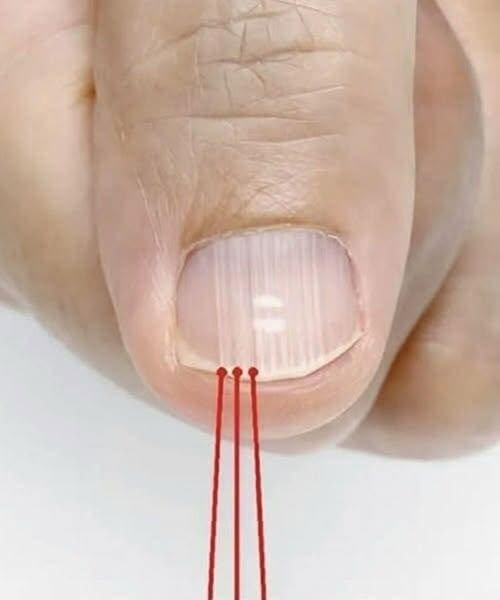
Our fingernails often act as subtle indicators of our overall physical health, nutritional balance, and lifestyle routines. When changes appear on the nail plate—such as fine lines, texture changes, or raised vertical ridges—it is natural to wonder what might be causing them. While many nail variations are entirely harmless and tied to the natural aging process, others can offer valuable clues about hydration levels, nutrient absorption, and broader systemic wellness.
Understanding what your body is trying to communicate through these physical signs empowers you to make proactive choices regarding personal care, nutrition, and daily wellness habits. In this detailed guide, we explore the science behind vertical nail ridges, potential causes, effective care routines, and essential health insights.
What Are Vertical Nail Ridges?
Vertical nail ridges, medically known as longitudinal striations or trachyonychia, are tiny raised lines that run from the cuticle at the base of the nail all the way up to the tip. They are distinct from horizontal ridges (often called Beau’s lines), which run across the nail from side to side and typically signal a temporary interruption in nail growth due to severe illness or high physical stress.
Vertical ridges resemble tiny, raised stripes and often become more pronounced as we grow older. In the majority of cases, they affect multiple fingernails uniformly rather than just a single isolated spot.
Primary Causes of Vertical Ridges on Fingernails
Identifying the root cause of nail texture changes helps determine whether simple adjustments to your skincare routine are sufficient or if further health evaluation is recommended.
1. The Natural Aging Process
Just as aging leads to skin dryness and fine lines, it also affects the matrix where fingernails are formed. As cell turnover slows down and natural moisture retention decreases with age, the nail plate can thin out, making the natural underlying structural grooves far more visible.
2. Dehydration and Environmental Exposure
Fingernails require adequate moisture and lipid balance to remain smooth and flexible. Constant exposure to harsh household soaps, frequent hand washing, alcohol-based hand sanitizers, or cold winter air strips the natural protective oils from the nails, accentuating physical ridges.
3. Nutritional Imbalances and Vitamin Deficiencies
Nails are primarily composed of a fibrous protein called keratin. Essential vitamins and minerals play crucial roles in healthy keratin production:
-
B-Complex Vitamins: Deficiencies in B vitamins, particularly biotin (B7) and cobalamin (B12), can weaken nail structure and alter cellular growth patterns.
-
Iron Levels: Low iron stores can impact oxygen delivery to the nail bed, affecting overall growth quality and surface texture.
-
Zinc and Magnesium: These essential minerals support protein synthesis and cellular repair throughout the entire body, including hair and nails.
4. Poor Circulation and Thyroid Health
Because the nail bed relies on healthy microcirculation to deliver nutrients, reduced blood flow to the fingertips can influence nail texture. Additionally, thyroid conditions that alter metabolic rates can affect skin dryness and overall nail health.
Interesting Facts About Fingernails and Health
Understanding how fingernails grow reveals just how responsive they are to daily biological changes:
-
Fingernail vs. Toenail Growth: Fingernails grow roughly three times faster than toenails, averaging about 3.5 millimeters per month.
-
Hand Dominance Impact: Nails on your dominant hand generally grow slightly faster due to increased physical movement and localized blood circulation.
-
Seasonal Differences: Nail growth tends to accelerate during warmer summer months and slow down during colder periods.
-
Regeneration Timeline: It takes approximately four to six months for a fingernail to fully regrow from the cuticle base to the free edge.
Practical Tips for Keeping Nails Smooth and Healthy
Improving nail health involves a combination of gentle surface care, proper hydration, and internal nutritional support:
-
Hydrate Daily: Apply a rich moisturising cream, coconut oil, or dedicated cuticle oil to your nails and cuticles every evening before bed.
-
Wear Protective Gloves: Shield your hands with rubber gloves when performing household chores, washing dishes, or working with chemicals.
-
Maintain Balanced Nutrition: Incorporate foods rich in protein, B vitamins, omega-3 fatty acids, and leafy greens into your daily meals.
-
Avoid Harsh Buffer Tools: Avoid over-filing or aggressively buffing down vertical ridges, as this thins the protective nail plate and increases susceptibility to splitting or breaking.
-
Stay Well Hydrated: Drink plenty of water throughout the day to support overall hydration, which directly benefits skin, hair, and nail flexibility.
Navigating Modern Health Choices and Wellness Planning
Taking charge of your daily health habits is very similar to managing long-term financial stability, evaluating health insurance options, or planning personal investments. Being proactive about subtle bodily signs encourages timely professional advice and prevents minor issues from developing into costly concerns later on.
Whether you are consulting medical professionals, researching wellness strategies, or investing in personal healthcare coverage, maintaining an informed perspective allows you to make confident decisions for your family’s future well-being.
Frequently Asked Questions
Are vertical nail ridges a sign of a serious medical condition?
In the vast majority of cases, vertical ridges are a harmless result of natural aging, mild dehydration, or superficial skin dryness.
Can vertical ridges on nails be permanently removed?
While you cannot change the natural structural changes associated with aging, deep hydration, proper nutrient intake, and gentle nail care can significantly minimize their appearance.
When should I consult a doctor about my nails?
You should speak with a healthcare professional if you notice sudden changes in nail color, dark streaks beneath the nail, painful inflammation around the cuticle, or deep horizontal ridges across multiple nails.
Conclusion
Vertical nail ridges are a common and usually benign feature that reflects normal physiological changes, environmental factors, or daily hydration levels. By supporting your body with balanced nutrition, gentle moisturizing habits, and consistent care, you can maintain strong, healthy, and resilient nails throughout every stage of life.
