
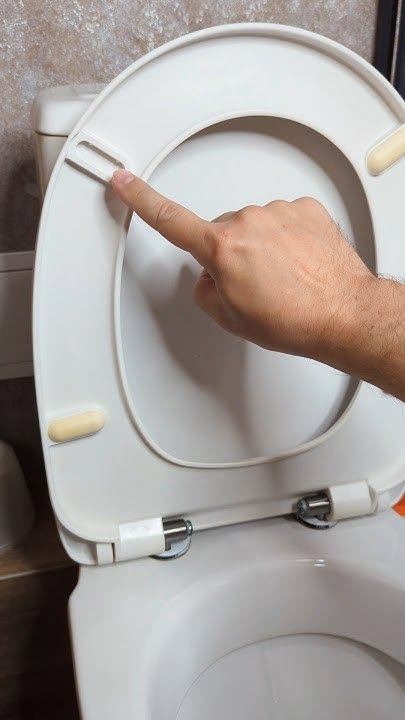
Modern residential bathroom fixtures are engineered with subtle design features intended to improve daily hygiene, simplify cleaning routines, and extend the lifespan of household hardware. While homeowners are familiar with standard toilet seat components like rubber bumpers, mounting bolts, and lid covers, many notice a small, rectangular slot or tab built into the underside or hinge area of modern toilet seats.
Often mistaken for a manufacturing defect or a simple molding vent, this small slot actually serves a vital functional purpose. Designed as part of modern quick-release hinge systems or built-in seat lifter attachment points, this feature allows homeowners to maintain pristine bathroom hygiene without touching unsanitary surfaces or struggling with rusted mounting hardware. Understanding how toilet seat quick-release mechanisms work, why sanitation matters, and how to maintain bathroom fixtures properly can transform your daily cleaning routine. Here is a comprehensive guide to the hidden slot on your toilet seat lid, bathroom hygiene science, home maintenance safeguards, and essential financial and legal planning considerations.
What the Slot Is For: Understanding Quick-Release and Hygiene Hardware
The small slot under or near the toilet seat ring serves two primary engineering and hygiene functions:
1. The Quick-Release Hinge Detachment Slot
On modern soft-close and quick-release toilet seats, the slot houses a concealed push-tab, lever, or locking channel.
-
How It Works: In traditional toilet seats, urine, dust, and bathroom moisture accumulate underneath the fixed hinges, creating hard-to-reach bacterial traps that cause lingering odors. Pressing or sliding the tab inside the quick-release slot instantly unlocks the seat assembly from its mounting posts. This allows you to lift the entire seat off the porcelain bowl in one second, wipe down the smooth ceramic surface completely, and snap the seat back into place effortlessly.
2. Built-In Handle and Bumper Mounting Slots
On specific hygiene-focused toilet seat designs, underside slots are engineered as snap-in receiver ports for secondary accessories:
-
Sanitary Seat Lifters: Slots allow homeowners to snap in ergonomic, extended plastic handles so family members can raise or lower the toilet seat without making direct hand contact with the seat ring.
-
Replaceable Rubber Bumpers: Underside slots also hold removable silicone or rubber cushioning bumpers in place, preventing the seat from slamming directly against porcelain rim edges and preventing hairline ceramic cracks.
The Hygiene Science: Why Deep Cleaning Toilet Hinges Matters
Restrooms are high-moisture environments where bacteria, fungi, and aerosolized droplets naturally collect.
1. Preventing Microscopic Bacterial Accumulation
When a toilet is flushed with the lid open, microscopic water droplets containing bacteria (such as E. coli or Staphylococcus) disperse into the air—a phenomenon known as toilet plume. These micro-droplets settle into cracks, hinge crevices, and underneath seat rings. Quick-release slots eliminate hard-to-reach crevices, ensuring that disinfectant sprays can reach every square inch of the porcelain bowl.
2. Neutralizing Organic Odors at the Source
Persistent bathroom odors rarely come from the porcelain bowl itself; they stem from organic fluid droplets that seep into fixed hinge brackets over time. Utilizing the quick-release slot mechanism to remove the seat during weekly cleaning eliminates trap zones where odors develop.
Home Insurance, Financial Planning, and Legal Considerations
Proper bathroom maintenance protects property value and prevents costly plumbing leaks, supported by comprehensive financial planning.
1. Homeowners Insurance and Property Water Protections
Proper installation and maintenance of bathroom fixtures prevent indoor water damage:
-
Preventing Fixture Cracks and Leaks: Ensuring toilet seat mounting bolts are properly torqued prevents stress fractures on porcelain tanks and bowls.
-
Understanding Homeowners Insurance Coverage: Standard homeowners insurance policies cover sudden plumbing bursts, but typically exclude gradual floor damage resulting from unaddressed, chronic base leaks or loose fixture mountings.
2. Safeguarding Household Finance, Mortgages, and Investments
Maintaining home infrastructure directly supports long-term family wealth:
-
Eliminating Unnecessary Handyman Costs: Knowing how to detach, tighten, and replace quick-release toilet seats using built-in slot mechanisms saves money on simple home repairs.
-
Preserving Real Estate Equity: Keeping bathrooms sanitary, crack-free, and well-maintained preserves property value within your personal finance budget, supporting ongoing home mortgage commitments, children’s education funds, and long-term investment portfolios dedicated to retirement.
3. Tenant Rights and Landlord Legal Protections
For renters and property managers, sanitary fixture maintenance involves clear legal frameworks:
-
Landlord-Tenant Law and Habitability: State housing codes require rental properties to provide working, sanitary plumbing facilities. If severe plumbing failures or unaddressed mold hazards occur, consulting qualified legal services or a tenant rights attorney protects consumer interests.
Health, Family Wellness, and Life Insurance Safeguards
Maintaining a clean household environment directly supports family health and respiratory wellness:
-
Reducing Household Illness Transmission: Frequently sanitizing high-touch surfaces—including toilet seat rings and handles—reduces the spread of viral gastroenteritis and bacterial infections among family members.
-
Life Insurance Protections: Maintaining safe, hygienic living environments supports overall family wellness, backed by comprehensive health, medical, and life insurance coverage.
Fascinating Facts About Toilet Design and History
-
The Origin of the Soft-Close Hinge: Soft-close toilet seats use hydraulic fluid cartridges inside the hinge mechanisms to slow down gravity, preventing loud slamming noise and protecting children’s fingers from getting pinched!
-
The Toilet Plume Phenomenon: Scientific studies using high-speed laser imaging show that flushing an open toilet can launch microscopic droplets up to 5 feet into the air within seconds, highlighting why closing the lid before flushing is essential!
-
Porcelain vs. Plastic: Vitreous china (porcelain) is used for toilet bowls because it is non-porous and glass-smooth, preventing bacteria from penetrating the material.
-
Polypropylene Seat Durability: Modern toilet seats are forged from high-density polypropylene or molded wood, materials specifically engineered to resist harsh chemical disinfectants and daily weight stress.
Practical Rules for Easy Bathroom Sanitation
To keep your toilet fixtures spotlessly clean and extend the lifespan of your seat hardware, adopt these practical rules:
-
Locate Your Quick-Release Button: Check near the rear hinges of your toilet seat for small buttons or slots. Press or slide them to pop the seat off for rapid cleaning.
-
Close the Lid Before Flushing: Always close the toilet lid before flushing to contain aerosolized water droplets inside the bowl.
-
Clean Underside Bumpers Weekly: Spray disinfectant under the seat ring and wipe down the rubber bumpers where splashes naturally land.
-
Avoid Harsh Abrasive Scourers on Plastic: Use soft microfiber cloths or sponges with mild soap or vinegar sprays to clean plastic toilet seats. Abrasive steel wool scratches soft plastic, creating microscopic grooves where grime settles.
-
Tighten Mounting Bolts from Below: If your toilet seat wobbles, tighten the plastic or stainless steel mounting nuts underneath the ceramic rim using a screwdriver or wrench.
Final Thoughts
That small slot under your toilet seat is a smart engineering feature designed to make deep cleaning fast, effortless, and hygienic. By taking advantage of quick-release hinge slots—and pairing routine home hygiene with proper property insurance and financial planning—you can maintain a clean, sanitary, and well-maintained bathroom for years to come.
Frequently Asked Questions (FAQ)
What is the small slot under the toilet seat for?
The slot typically houses a quick-release locking mechanism or tab that allows you to detach the entire toilet seat from the bowl in seconds for easy deep cleaning. It can also serve as an anchor point for removable bumpers or seat lifter handles.
How do quick-release toilet seats work?
Quick-release seats snap onto two vertical stainless steel posts mounted on the porcelain bowl. Pressing the button or tab inside the release slot unlocks the seat latch, allowing you to lift the seat straight up.
How do I stop my toilet seat from sliding around?
Ensure the rubber washers under the mounting posts are properly aligned, and tighten the mounting nuts underneath the rear ceramic rim securely using a screwdriver or pliers.
Why should you close the toilet lid when flushing?
Closing the lid prevents the “toilet plume” effect, keeping microscopic water droplets and bacteria from aerosolizing and landing on bathroom counters or towels.
