
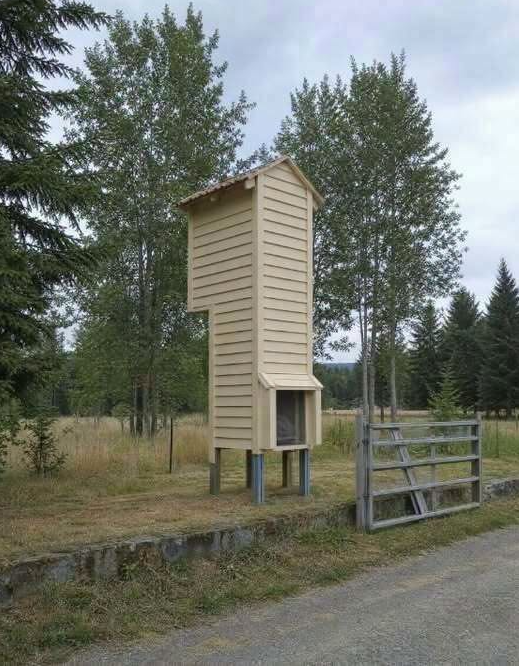
Across rural properties, state parks, and agricultural regions, tall wooden structures resembling narrow, elevated mini-towers or oversized birdhouses have become an increasingly common sight. Often constructed on high posts with specialized vertical siding, these structures are known as “bat condos” or large-scale bat houses.
Designed to provide safe roosting microclimates for maternity colonies and migratory bat populations, these wildlife shelters serve a critical ecological and agricultural purpose. As natural habitats diminish due to urbanization, deforestation, and industrial development, artificial roosting structures offer a vital lifeline for bat conservation while delivering immense biological benefits to land owners, farmers, and surrounding ecosystems.
The Role of Bat Condos in Environmental Conservation
Bats are essential components of healthy ecosystems worldwide, serving as primary nocturnal pollinators, seed dispersers, and insect controllers. However, human encroachment and habitat degradation have drastically reduced the availability of natural roosting sites, such as hollow trees, caves, and undisturbed rock crevices.
1. Habitat Replacement
Modern land development and forestry management practices often clear older trees with hollow trunks where female bats historically formed maternity colonies. Large multi-chambered bat condos replicate the thermal dynamics and protection of natural hollow trees, offering stable habitats where thousands of bats can raise their pups safely during spring and summer months.
2. Mitigation for Building Renovations
When older agricultural structures, barns, or historical bridges are renovated or demolished, resident bat colonies risk displacement. Environmental conservation agencies frequently require or recommend the installation of standalone bat condos nearby prior to building closures. This ensures that displaced colonies have an immediate, safe alternative roost within their home territory.
3. Disease Recovery Support
Bat populations across North America have faced severe declines due to White-Nose Syndrome (WNS), a fungal disease that disrupts winter hibernation. By offering warm, secure roosting environments during the spring and summer breeding seasons, bat condos help surviving populations recover energy reserves, raise healthy offspring, and rebuild colony numbers.
Key Benefits of Installing a Bat Condo on Rural Property
For homeowners, farmers, and community leaders, introducing a bat roosting structure provides immediate, practical advantages that far outweigh the initial investment in construction.
+-----------------------------------------------------------------------+
|                       PRIMARY BENEFITS OF BATS                        |
+-----------------------------------------------------------------------+
|  1. Natural Insect Control   | Consumes up to 1,000+ mosquitoes/hour |
|  2. Agricultural Protection  | Reduces reliance on chemical pesticides|
|  3. Free organic Fertilizer | Produces nutrient-rich natural guano   |
|  4. Eco-Friendly Investment  | Lowers long-term land management costs |
+-----------------------------------------------------------------------+
Unmatched Natural Pest Control
Bats are among the most efficient insect predators on Earth. A single little brown bat can catch and consume up to 1,000 mosquito-sized insects in just one hour, while a nursing female can eat her entire body weight in insects every night.
-
Crop Protection: Bats target widespread agricultural pests, including corn earworm moths, cucumber beetles, cutworms, and stink bugs.
-
Pesticide Reduction: By suppressing nocturnal insect populations naturally, farmers can lower their expenditure on chemical treatments and improve crop yields.
-
Property Comfort: Rural landowners experience a noticeable reduction in mosquito and biting fly populations around residential spaces, ponds, and livestock enclosures.
Soil Enrichment Through Guano
Bat droppings, known as guano, are exceptionally rich in nitrogen, phosphate, and potassium. Collected safely beneath a bat condo, conditioned guano serves as an elite natural fertilizer for residential gardens, organic farms, and orchard soil enrichment.
Financial, Insurance, and Property Planning Considerations
Integrating large wildlife habitat structures onto private or commercial land involves practical decisions regarding property value, liability, insurance, and long-term land management investments.
Property Insurance and Liability Concerns
Landowners often inquire whether erecting a large bat condo affects their homeowners insurance or farm liability coverage:
-
Liability Claims: Properly constructed bat condos placed away from high-traffic residential areas present negligible risk. Bats prefer high roosts and actively avoid human contact.
-
Structure Coverage: Free-standing agricultural or conservation structures may be covered under outbuilding clauses within comprehensive property insurance policies.
-
Legal Protections: In many jurisdictions, bats are protected wildlife species under federal or state environmental laws. Installing certified bat shelters can fulfill conservation easement requirements and earn tax incentives for habitat preservation.
Investment and Financial Value
Building or installing a heavy-duty bat condo generates high return on investment through natural pest control savings. Reducing insect damage on agricultural property preserves land values, minimizes crop loss, and significantly cuts annual pest-management service contracts.
Design Features of an Effective Bat Condo
Bat condos are meticulously engineered to meet strict biological requirements. A standard small birdhouse will not attract bats; the design must maintain consistent internal warmth and offer adequate climbing surfaces.
Crucial Engineering Requirements
-
Elevation: Bat condos must be elevated at least 12 to 20 feet above the ground to clear surrounding vegetation and protect inhabitants from climbing predators such as snakes, raccoons, and domestic cats.
-
Thermal Regulation: Dark exterior stains or paints absorb heat from solar radiation, keeping interior chambers between 85°F and 100°F (29°C to 38°C), which is crucial for raising young pups.
-
Internal Texture: Interior baffle boards feature grooved wood or durable plastic netting, providing essential footholds for bats to grip and roost comfortably.
-
Landing Platforms: An extended lower baffle landing plate allows bats to land securely before crawling up into narrow interior chambers.
Practical Tips for Installing and Maintaining a Bat Shelter
To maximize the chances of attracting a colony and maintaining a healthy bat habitat, follow these practical installation guidelines:
-
Select a Sunny Location: Mount the structure in a spot that receives at least 6 to 8 hours of direct daily sunlight (south or southeast facing orientation works best in temperate climates).
-
Maintain Water Proximity: Position the condo within 1/4 to 1/2 mile of a natural freshwater source, such as a stream, pond, river, or lake.
-
Clear Flight Paths: Keep the area within 15 to 20 feet around the entrance completely free of tree branches, wires, or roof overhangs to allow bats a clear drop-down flight path.
-
Install Predator Guards: Wrap mounting poles with smooth metal sheets or baffle guards to prevent climbing predators from reaching the roost.
-
Perform Seasonal Inspections: Inspect the exterior structure during late autumn or winter when bats have migrated or moved to winter hibernacula to check for structural integrity and secure mounting hardware.
Fascinating Facts About Bats and Bat Condos
-
Massive Capacity: Large bat condos can accommodate anywhere from 1,000 to over 10,000 individual bats during peak maternity seasons.
-
Speedy Egress: During summer evenings, thousands of bats emerge from a condo within a 30-minute window right around dusk.
-
Incredible Longevity: Despite their small size, many wild bat species can live for 20 to 30 years in protected habitats.
-
Echolocation Precision: Bats use high-frequency sound waves to navigate in complete darkness, detecting objects as thin as a single human hair.
Frequently Asked Questions (FAQ)
Will having a bat condo increase the risk of bats entering my house?
No. Installing a dedicated bat condo actually deters bats from roosting in human dwellings. Bats prefer the ideal thermal conditions and easy access of a properly positioned bat condo over attics or wall voids.
How long does it take for bats to move into a new bat condo?
Occupancy times vary based on location, local bat populations, and seasonal timing. While some condos attract residents within a few weeks during spring migration, others may take 1 to 2 years for bats to discover and adopt.
Are bats dangerous to domestic pets or livestock?
Healthy bats avoid humans, pets, and livestock completely, concentrating their energy exclusively on hunting flying insects at night. As with all wild animals, pets should be vaccinated against rabies as a standard precaution.
Do bat condos require cleaning?
No internal cleaning is required. The open-bottom design allows droppings to fall freely to the ground, maintaining a clean interior environment automatically.
Conclusion
Bat condos represent an ingenious blend of wildlife conservation, modern eco-friendly design, and sustainable agricultural management. By providing safe, elevated sanctuaries for these vital mammals, property owners play an active role in protecting local ecosystems while enjoying powerful, natural insect control. Investing in proper wildlife habitat planning creates long-term value for both the environment and surrounding communities.
