
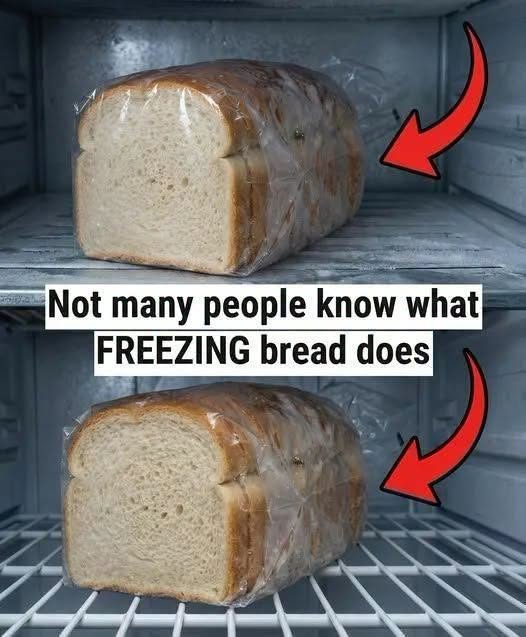
Freezing bread is a popular kitchen hack used to prevent spoilage and reduce food waste, but its impact goes far beyond simple preservation. Scientific research reveals that freezing—and subsequently thawing or toasting—bread alters its chemical structure, making it healthier and easier to digest.
Understanding how cold temperatures transform starch molecules helps you get the most nutritional value and optimal taste out of every loaf.
This guide explores the science behind freezing bread, its surprising health benefits, best freezing practices, and proper reheating methods.
The Science of Freezing Bread: Starch Retrogradation
When bread is baked, starches gelatinize and become easily digestible. As bread cools and ages, these starches undergo a process called retrogradation, rearranging into a more rigid structure.
                    STARCH STRUCTURE TRANSFORMATION
                                   │
      ┌────────────────────────────┼────────────────────────────┐
      ▼                            ▼                            ▼
FRESH BAKED BREAD            FREEZING / COOLING           RESISTANT STARCH
• Standard gelatinized       • Starch molecules          • Harder for gut enzymes
  digestible starches          realign into crystals       to break down quickly
1. Formation of Resistant Starch
Freezing bread accelerates starch retrogradation, converting a portion of the rapidly digestible carbohydrates into resistant starch. Resistant starch functions similarly to soluble fiber, passing through the small intestine without triggering a sudden spike in blood glucose levels.
2. Lower Glycemic Impact
Because resistant starch is digested more slowly, frozen-then-thawed or toasted bread produces a lower glycemic response compared to eating fresh white bread. This helps maintain stable energy levels and reduces post-meal insulin spikes.
3. Gut Health Support
When resistant starch reaches the large intestine, beneficial gut bacteria ferment it into short-chain fatty acids (SCFAs) like butyrate. These fatty acids support gut lining health, improve digestion, and nourish your microbiome.
Benefits of Freezing Bread vs. Room Temperature Storage
Review how freezing compares to keeping bread at room temperature or in the refrigerator:
| Storage Method | Shelf Life | Impact on Texture | Impact on Blood Sugar |
| Room Temperature | 3–7 days | Stales gradually; mold grows quickly | Standard glycemic response |
| Refrigerator | 1–2 weeks | Stales fastest due to moisture loss | Slight increase in resistant starch |
| Freezer (-18°C / 0°F) | 2–3 months | Preserves freshness perfectly when reheated | Highest formation of resistant starch |
Best Practices for Freezing and Reheating Bread
To preserve taste, texture, and nutritional benefits, follow these simple storage tips:
-
Slice Before Freezing: Pre-slicing allows you to remove only the individual slices you need, avoiding repeated thawing and refreezing.
-
Wrap Air-Tight: Store bread in heavy-duty freezer bags or double-wrap in plastic wrap and aluminum foil to prevent freezer burn and odor absorption.
-
Toast Directly from Frozen: For best results, place frozen slices directly into a toaster or oven. Toasting frozen bread further lowers its glycemic index while restoring a crispy crust and soft interior.
Conclusion: A Simple Habit for Health and Value
Freezing bread is more than just a smart way to stop mold and stretch your grocery budget. By converting simple starches into fiber-like resistant starch, freezing elevates the humble slice of bread into a gut-friendly, lower-glycemic staple.
Frequently Asked Questions (FAQ)
1. Does freezing bread really reduce its blood sugar impact?
Yes. Studies show that freezing bread and subsequently thawing or toasting it significantly increases resistant starch content, resulting in a lower glycemic index and reduced glucose spikes after eating.
2. How long can you keep bread in the freezer?
Bread stays fresh in the freezer for up to 2 to 3 months when properly wrapped in air-tight packaging.
3. Why is storing bread in the fridge worse than freezing it?
Refrigeration temperature accelerates starch crystallization without freezing moisture in place, causing bread to go stale and dry out much faster than keeping it at room temperature or freezing it.
