
Introduction
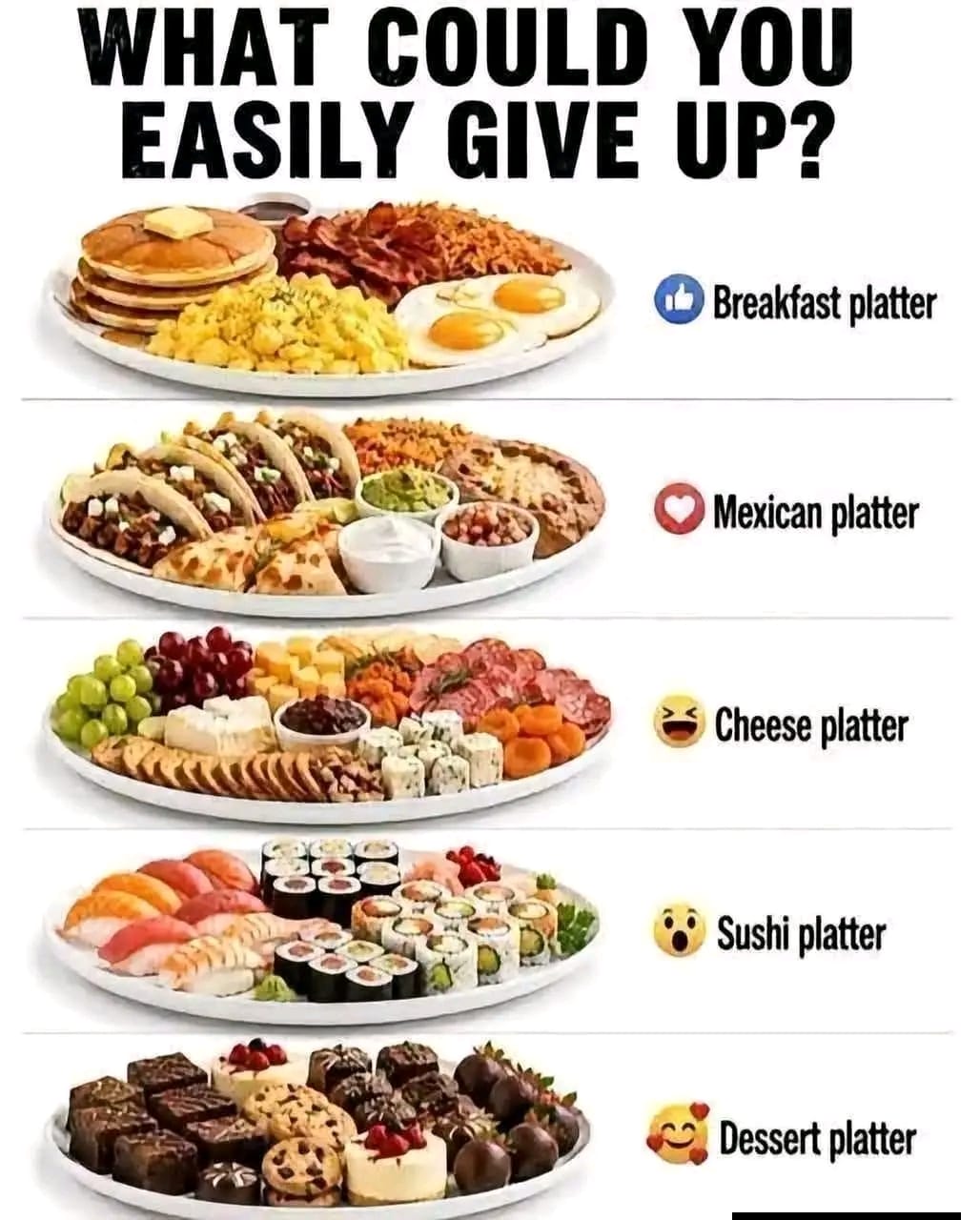
Food is far more than simple sustenance; it is an emotional experience tied to culture, family traditions, personal comfort, and daily reward systems. When presented with a choice between iconic culinary spreads—such as a classic hearty breakfast platter, a vibrant Mexican feast, an artisanal cheese charcuterie board, an intricate sushi assortment, or a decadent dessert platter—most people immediately feel a strong preference. But turning the question on its head and asking, “Which one could you easily give up forever?” triggers a fascinating cognitive process.
Evaluating our relationship with high-reward foods reveals deep insights into dietary habits, behavioral psychology, and lifestyle management. Whether you are actively trying to improve your personal wellness, manage your monthly grocery budget, or make healthier day-to-day choices, understanding why we crave specific flavor profiles can help us optimize our long-term health and financial stability. In this ultimate guide, we analyze the five major platter categories, explore the science behind dietary choices, and share actionable strategies to streamline your nutrition without feeling deprived.
Decoding the 5 Platter Categories: Flavor Profiles and Craving Drivers
To understand which meal spread is easiest to eliminate, we must first analyze what makes each of these classic platters so desirable in modern dining culture.
1. The Breakfast Platter: Comfort and Morning Rituals
The classic American breakfast platter—typically loaded with fluffy pancakes, crispy bacon, golden hash browns, butter, and sunny-side-up eggs—is deeply rooted in routine and nostalgia.
-
Primary Craving Drivers: A combination of rapid-digesting simple carbohydrates and high-fat savory proteins.
-
Why People Keep It: It provides an immediate sensory comfort and acts as a traditional weekend family reward.
-
Ease of Elimination: Moderate. Many individuals find that swapping heavy morning carbohydrates for lighter protein options boosts morning focus and steady energy levels.
2. The Mexican Platter: Bold Flavors and Social Dining
Featuring crisp tacos, cheesy quesadillas, seasoned rice, refried beans, fresh guacamole, and tangy salsas, Mexican platters offer an explosion of contrasting textures and spices.
-
Primary Craving Drivers: The magic trifecta of fat, salt, and acidity, paired with dynamic textures like crunchy tortilla chips and creamy avocado.
-
Why People Keep It: Mexican cuisine is inherently social, making it a cornerstone for dining out, festive gatherings, and group celebrations.
-
Ease of Elimination: Low. The sheer variety of ingredients and intense spice profiles make this category one of the hardest for food lovers to abandon.
3. The Cheese & Charcuterie Platter: Sophistication and Artisanal Snacking
Charcuterie boards packed with aged cheeses, cured meats, grapes, nuts, specialty crackers, and fruit preserves represent modern casual luxury.
-
Primary Craving Drivers: Concentrated umami flavor, rich milk fats, and sodium.
-
Why People Keep It: It is the quintessential pairing for wine tastings, holiday entertaining, and evening relaxation.
-
Ease of Elimination: High for some, Low for others. Those who prefer structured meal times find it easy to pass on grazing boards, whereas snack enthusiasts consider it essential.
4. The Sushi Platter: Clean Flavors and Culinary Precision
Nigiri, sashimi, and specialty rolls wrapped with fresh raw fish, vinegared rice, nori seaweed, pickled ginger, and soy sauce offer a lighter yet deeply satisfying dining experience.
-
Primary Craving Drivers: Fresh umami taste, clean textures, and essential omega-3 fatty acids.
-
Why People Keep It: Sushi is frequently perceived as a nutritious, high-end treat that satisfies savory cravings without leaving a heavy, bloated feeling.
-
Ease of Elimination: Moderate. While sushi has a devoted, near-cult following, individuals who dislike raw fish or seaweed can surrender this platter without hesitation.
5. The Dessert Platter: The Dopamine Rush
Rich chocolate brownies, freshly baked cookies, cheesecake bites, and chocolate-covered strawberries present the ultimate temptation for anyone with a sweet tooth.
-
Primary Craving Drivers: Refined sugars blended with fats, which directly trigger dopamine release in the brain’s reward centers.
-
Why People Keep It: Sweet treats are universally associated with celebrations, birthdays, stress relief, and finishing a meal on a high note.
-
Ease of Elimination: Extremely High or Low depending on individual metabolic preferences. Sweet-tooth diners find it impossible, while savory-dominant eaters can walk away effortlessly.
The Psychological Science Behind Food Elimination and Cravings
Why is giving up a single food category so difficult for some and surprisingly easy for others? Behavioral science and nutritional research point to several key factors:
-
Neurological Habit Loops: Cravings are often linked to cues and rewards. If you automatically reach for a sweet treat after dinner, your brain associates that time of day with a dopamine spike rather than physical hunger.
-
Nutritional Density vs. Caloric Density: Meals high in refined carbs and fats provide rapid energy but low lasting satiety, encouraging overeating. Conversely, protein- and fiber-rich options stabilize blood glucose levels, reducing overall food fixation.
-
Financial and Lifestyle Alignment: Restructuring your diet often correlates with smarter consumer habits. Cooking nutritious meals at home rather than ordering expensive takeout platters directly lowers household expenditure, aligning health goals with smart financial planning and budgeting.
Practical Tips for Making Smarter Dietary Trades
If you are looking to cut back on heavy food platters to boost your energy, improve your digestive health, or lower meal costs, try implementing these practical substitution strategies:
-
Practice the “Swap, Don’t Stop” Rule: Instead of completely eliminating a favorite food category, modify the platter. Swap fried breakfast meats for turkey bacon, or substitute heavy flour tortillas for lettuce wraps.
-
Identify Your Craving Trigger: Determine whether you are craving salt, sugar, fat, or crunch. For example, if you crave the crunch of deep-fried chips on a Mexican platter, try oven-baked kale chips or sliced radishes with fresh salsa.
-
Prioritize Protein and Fiber First: Eating your greens and lean proteins before touching refined carbohydrates minimizes blood sugar spikes and helps you feel full faster.
-
Plan Meals to Save Time and Money: Preparing weekly meal plans keeps impulse dining at bay. Lowering meal delivery expenditures supports your broader economic goals, such as saving for travel, investing in your home, or building emergency savings funds.
Fascinating Facts About Popular Food Culture
-
The Evolution of Charcuterie: Charcuterie originally developed in 15th-century France as a practical method to preserve meats before modern refrigeration existed. Today, it has transformed into a multi-billion-dollar culinary trend across North America.
-
Sushi’s Fast-Food Origins: Rice was originally used in ancient Asia solely to ferment and preserve fish, after which the rice was discarded. It wasn’t until the 19th century in Tokyo that sushi became an instant, fresh “fast food” sold at street stalls.
-
The Pancake Legacy: Ancient Greeks and Romans enjoyed pancakes made from wheat flour, olive oil, honey, and curdled milk, making the morning pancake platter one of the oldest recorded breakfast items in human history.
Conclusion
Deciding which iconic platter you could easily give up comes down to your personal palate, cultural background, and daily habits. Whether you choose to walk away from sugary desserts, heavy morning carbs, or salty snacks, recognizing your food motivators empowers you to make intentional lifestyle choices. By balancing indulgence with mindful nutrition and smart household planning, you can enjoy rich culinary experiences while maintaining peak health and financial well-being.
FAQ Section
Why do people crave sugary dessert platters after a full meal?
Craving sweets after a meal is often driven by “sensory-specific satiety.” As your palate grows tired of savory flavors, your brain seeks novel taste sensations—specifically quick energy from sugar—even if your stomach is physically full.
What is the most nutrient-dense platter option among the five?
A balanced sushi platter featuring fresh raw fish (like salmon or tuna), avocado, and seaweed generally provides the highest concentration of lean protein, essential omega-3 fatty acids, and key trace minerals.
How can I reduce food cravings without feeling restricted?
Focus on crowding out junk food with nutrient-dense foods. Increasing your daily intake of water, dietary fiber, and lean protein naturally reduces hunger signals, making it much easier to turn down high-calorie indulgences.
