
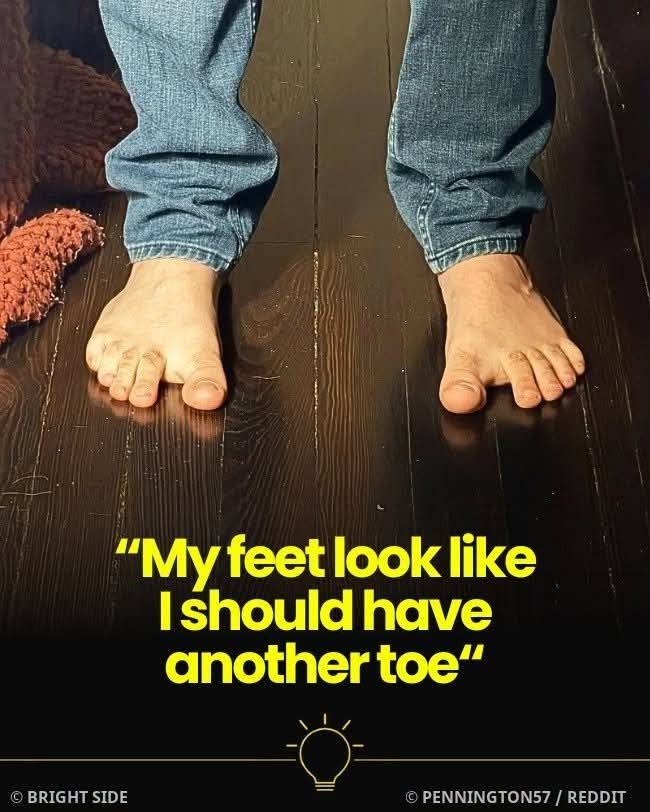
Human anatomy is wonderfully diverse, showcasing a wide spectrum of natural variations in bone structure, height, facial features, and even our hands and feet. While most people grow up with the standard five digits on each foot, genetic quirks, developmental anomalies, and rare optical illusions can sometimes make feet appear remarkably unique. A funny viral photo making the rounds online features a person standing in blue jeans with a caption joking: “My feet look like I should have another toe.”
Understanding human anatomical variations, exploring proper foot care, and appreciating how podiatric health connects to broader topics like medical insurance policies, disability claims, worker safety regulations, and personal financial planning is essential. In this comprehensive guide, we will explore the fascinating world of foot anatomy, practical footwear tips, and how proper podiatric maintenance keeps you fully supported.
Understanding Anatomical Variations and Foot Structure
Human feet are complex biomechanical marvels composed of 26 bones, 33 joints, and over a hundred muscles, tendons, and ligaments working in unison to support our entire body weight.
-
Polydactyly and Variations: While some individuals are born with extra toes (polydactyly)—a relatively common congenital trait—others simply possess wide interdigital spacing or unique toe proportions that create striking visual impressions.
-
The Mechanics of Balance: Every toe plays a specific role in distributing pressure, maintaining balance, and propelling the body forward during walking and running.
-
The Power of Perception: Quirky optical angles, lighting, and footwear fit can occasionally create humorous or unusual visual quirks that catch our attention on social media.
Practical Tips for Maintaining Foot Health and Comfort
To ensure your feet remain healthy, pain-free, and well-supported through daily activities, consider incorporating these practical strategies into your routine:
-
Choose Proper Footwear: Wear shoes with adequate toe box width to prevent cramping, blisters, and structural deformities like bunions or hammertoes over time.
-
Practice Daily Hygiene: Wash and dry your feet thoroughly every day, especially between the toes, to prevent fungal infections and bacterial growth.
-
Stretch and Strengthen: Incorporate simple foot stretches, toe curls, and ankle rolls into your daily routine to improve flexibility and circulation.
-
Consult Podiatric Specialists: For persistent foot pain, structural concerns, or specialized orthotics, consult a licensed podiatrist or orthopedic foot specialist.
Interesting Facts About Human Foot History
-
Evolutionary Shift: Human feet evolved significantly from our primate ancestors, losing our opposable big toes in exchange for powerful arches and straightened digits optimized for long-distance endurance walking and running.
-
Footprint Records: Fossilized human footprints discovered across the globe provide invaluable archaeological insights into ancient human migration, height, and foot anatomy thousands of years ago.
-
Viral Curiosity: Lighthearted photos and quirky body quirks generate massive online engagement because they invite people to laugh, share personal stories, and celebrate our shared human uniqueness.
Financial, Insurance, and Legal Aspects of Podiatric Health and Medical Care
Managing foot health, investing in custom orthotics, or addressing chronic occupational injuries involves important financial, insurance, and legal considerations. Ensuring that your health insurance policy covers podiatric care, physical therapy, or corrective surgery protects you against unexpected medical expenses. Furthermore, maintaining proper workplace safety footwear standards ensures compliance with regulations and safeguards your long-term physical livelihood.
Conclusion
Our feet carry us through every adventure of life, making proper care and appreciation for their unique structure essential. By understanding human anatomical variations, prioritizing everyday foot hygiene, and securing your health with proper medical coverage, you can step forward with total comfort and confidence.
Frequently Asked Questions (FAQ)
What causes feet to look like they are missing a toe or have unusual gaps?
Natural variations in bone structure, wide spacing between the metatarsals, or quirky visual angles can sometimes create the optical illusion of unusual toe proportions.
What is the medical term for having extra fingers or toes?
The condition is known as polydactyly, a congenital trait that can occur in hands or feet and is often easily managed or corrected during childhood if necessary.
How can I protect my feet from everyday strain?
Wearing supportive, well-fitted shoes, practicing good hygiene, using orthotic inserts when needed, and resting tired feet regularly helps prevent long-term discomfort and injury.
