
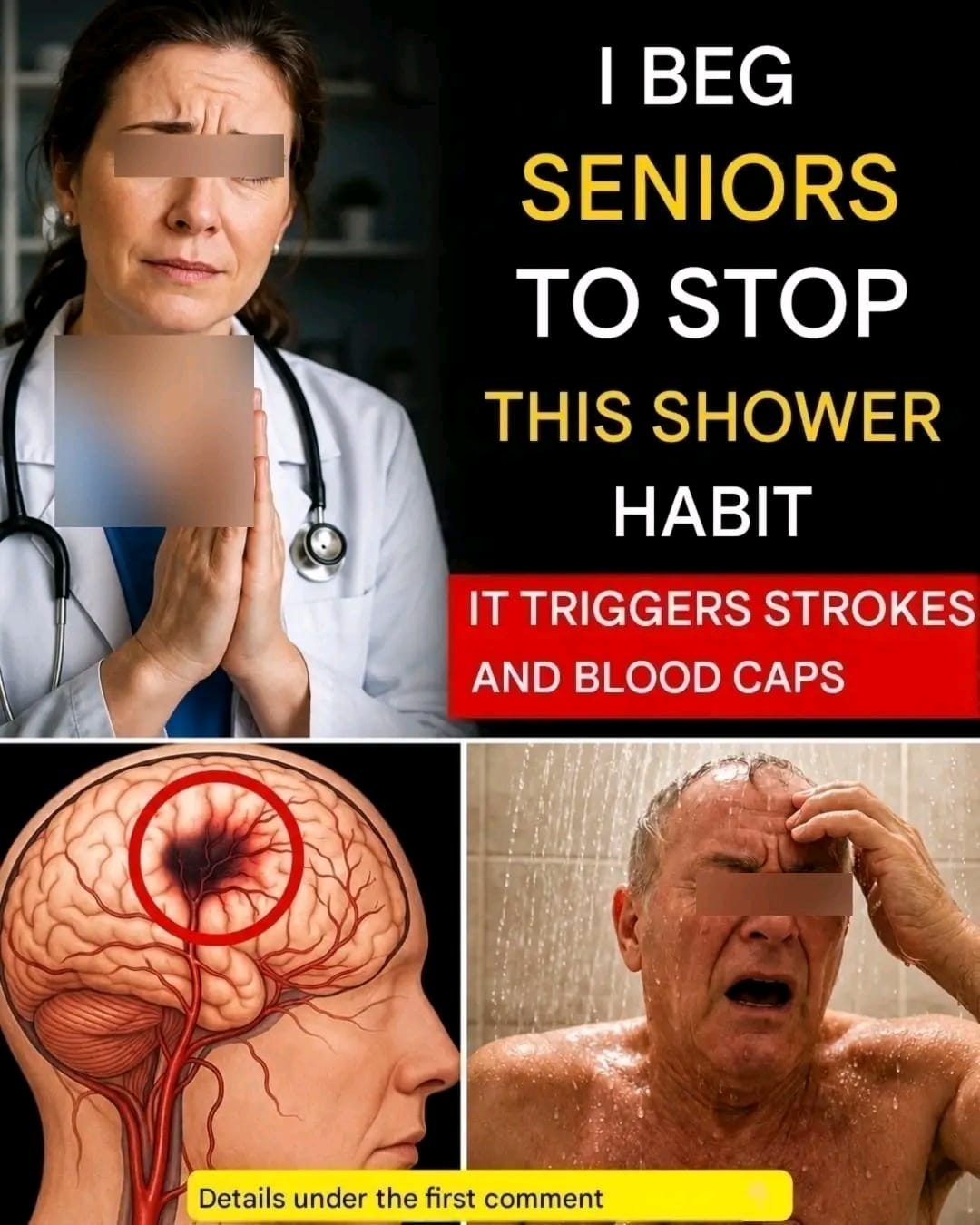
Health warnings, wellness advice, and viral medical alerts frequently circulate across social media feeds. When an image appears featuring a dramatic warning directed at seniors regarding a dangerous shower habit that allegedly triggers strokes and blood circulation issues, it instantly generates widespread concern, curiosity, and lively discussions.
While online health alerts are designed to catch attention and encourage caution, evaluating medical claims and understanding senior cardiovascular health requires careful, evidence-based insight. In this comprehensive guide, we explore the physiological effects of temperature changes on blood pressure, common bathroom safety tips, and practical wellness advice for older adults.
The Physiological Effects of Temperature Changes on Seniors
Why do sudden temperature shifts during bathing spark health concerns among older adults? Several key cardiovascular factors influence how the body reacts:
1. Blood Pressure Fluctuation and Blood Vessels
Sudden exposure to very hot or freezing cold water causes blood vessels to rapidly dilate or constrict. For seniors with underlying cardiovascular conditions, these sharp changes can temporarily alter blood pressure and heart rate.
2. Bathroom Safety and Slip Prevention
Beyond water temperature, bathroom environments present physical risks such as slippery surfaces, steam-induced dizziness, and sudden postural changes when stepping out of a tub or shower.
3. The Psychology of Viral Health Warnings
Sensationalized hooks like “I beg seniors to stop this shower habit” leverage emotional urgency to drive social media engagement, click-through rates, and comment discussions.
Practical Tips for Senior Health and Bathroom Safety
Protecting your cardiovascular health and ensuring a safe daily bathing routine involves simple, preventive measures:
-
Moderate Water Temperature: Avoid extreme water temperatures; opt for comfortably warm water rather than scalding hot or ice-cold showers to prevent sudden blood pressure spikes.
-
Install Grab Bars and Non-Slip Mats: Equip your bathroom with secure grab bars, shower chairs, and non-slip mats to prevent accidental slips and falls.
-
Protect Your Health with Proper Insurance: Ensuring you have reliable health and life insurance coverage guarantees peace of mind and access to professional medical care in all aspects of life.
-
Consult Healthcare Professionals: Always speak with a qualified physician regarding personal cardiovascular health risks, medication side effects, and safe daily lifestyle habits.
Interesting Facts About Cardiovascular Health and Aging
-
The Body’s Thermoregulation: As people age, the body’s natural ability to regulate internal temperature and quickly adjust to external environment changes diminishes.
-
The Importance of Hydration: Staying adequately hydrated throughout the day helps maintain stable blood volume and circulation, reducing dizziness during physical activities like bathing.
-
Viral Health Engagement: Medical awareness posts consistently achieve massive reach on social media because health and safety topics deeply resonate with family caregivers and older adults.
Conclusion
While viral internet posts issuing dramatic health warnings require careful scrutiny, prioritizing bathroom safety and cardiovascular wellness is essential for seniors. By maintaining moderate water temperatures, installing safety fixtures, and consulting medical professionals, older adults can enjoy safe and relaxing daily routines.
Frequently Asked Questions (FAQ)
1. Can taking hot showers cause strokes in seniors?
Sudden extreme temperature changes can cause temporary blood pressure shifts, but standard warm showers do not inherently trigger strokes unless an individual has severe, unmanaged underlying cardiovascular conditions.
2. What are the best ways to make a bathroom safer for older adults?
Installing non-slip mats, grab bars inside and outside the shower, using a shower chair, and keeping bathroom floors dry significantly reduce fall risks.
3. Why do viral health warnings circulate so widely online?
Sensationalized headlines and dramatic medical claims capture user attention quickly, encouraging shares and comments across social media platforms.
