
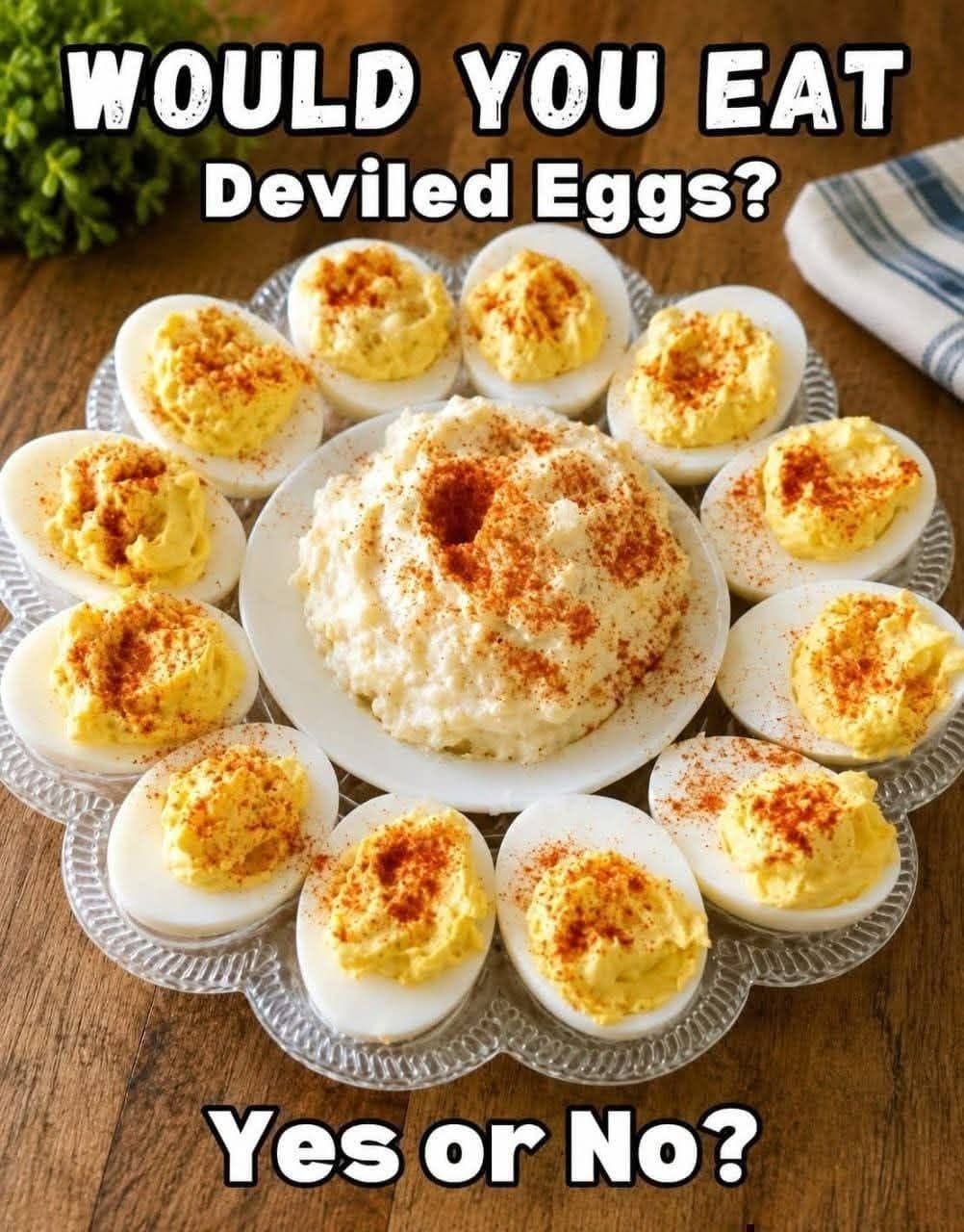
When it comes to gathering for holidays, family barbecues, potlucks, and celebratory dinners, few appetizers hold as much nostalgic charm as the classic deviled egg. Featuring tender boiled egg whites cradling a rich, creamy, and spiced yolk filling—often dusted with paprika—this timeless dish has remained a party favorite for generations.
Understanding how deviled eggs are prepared, exploring their nutritional benefits, and appreciating how culinary traditions connect to broader topics like food safety regulations, event insurance, and household financial planning is essential. In this comprehensive guide, we will explore the history of deviled eggs, practical cooking tips, and how proper kitchen management keeps you fully supported.
Understanding the Anatomy and Preparation of Deviled Eggs
The beauty of deviled eggs lies in their simplicity, combining basic kitchen ingredients into a savory, crowd-pleasing finger food.
-
The Perfect Boil: Achieving firm yet tender egg whites requires precise boiling and rapid cooling in an ice bath to ensure easy peeling.
-
The Creamy Filling: Yolks are typically mashed and blended with mayonnaise, mustard, a touch of vinegar or relish, and seasonings like salt, pepper, and paprika.
-
Global Variations: Across different cultures, variations include adding bacon crumbles, jalapeños, capers, chives, or a dash of hot sauce for an extra kick.
Practical Tips for Hosting and Preparing Appetizers
To ensure your homemade deviled eggs are a hit at your next gathering while maintaining top-tier food safety, consider these practical strategies:
-
Keep Them Chilled: Because deviled eggs contain mayonnaise and dairy components, always keep them refrigerated until just before serving, and avoid leaving them out at room temperature for more than two hours.
-
Transport Safely: Invest in a dedicated deviled egg tray with a secure lid to prevent sliding and smudging during transport to potlucks.
-
Pipe the Filling: Use a pastry bag or a Ziploc bag with the corner snipped off to pipe the yolk mixture neatly into the egg white halves for a professional presentation.
-
Consult Culinary Experts: For advanced catering tips, large-scale event planning, or food safety guidelines, consult professional chefs or local health department resources.
Interesting Facts About Egg History
-
Ancient Roots: Recipes resembling modern deviled eggs date all the way back to ancient Rome, where spiced and seasoned eggs were frequently served as the first course of a meal.
-
The Origin of “Deviled”: The culinary term “deviled” became popular in the 18th century to describe dishes heavily spiced with hot seasonings, mustard, or pepper.
-
Nutritional Value: Eggs are an incredible source of complete protein, healthy fats, and essential micronutrients like choline, which supports brain health.
Financial, Insurance, and Legal Aspects of Catering and Entertaining
Hosting large gatherings, catering private events, or operating a food service business involves important financial, liability, and insurance considerations. Ensuring that your venue or catering service is covered by appropriate event liability insurance protects hosts and guests alike. Furthermore, budgeting wisely for party hosting contributes to long-term financial organization.
Conclusion
Deviled eggs are far more than just a retro party snack—they are a beloved culinary tradition that brings people together. By understanding how to prepare them safely, perfecting your favorite recipe, and appreciating the history behind this iconic dish, you can elevate any gathering with confidence.
Frequently Asked Questions (FAQ)
How long can deviled eggs sit out safely at a party?
According to food safety guidelines, deviled eggs should not be left at room temperature for more than two hours because they contain perishable ingredients like mayonnaise.
What is the secret to making creamy deviled egg filling?
Passing the cooked yolks through a fine-mesh sieve before mixing them with mayonnaise and mustard ensures an ultra-smooth, velvety texture without lumps.
Can you make deviled eggs ahead of time?
Yes! You can hard-boil the eggs and prepare the filling up to a day in advance, storing them separately in the refrigerator, and piping the filling just before your event starts.
