
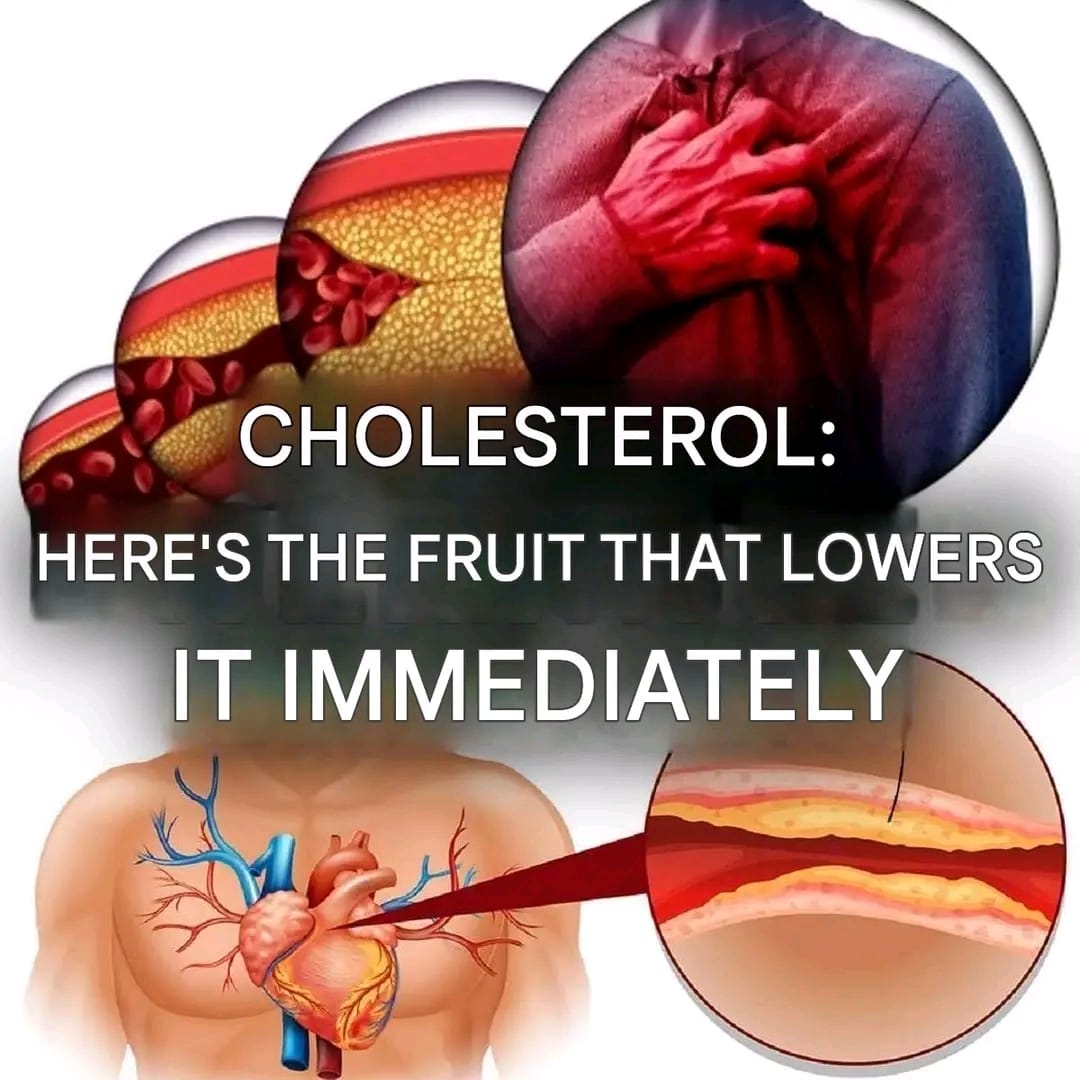
Health advice, nutritional tips, and viral medical alerts frequently circulate across social media feeds. When an image appears featuring a dramatic health warning about cholesterol alongside illustrations of clogged arteries and heart health concerns, it instantly generates widespread concern, curiosity, and lively discussions.
While online health alerts are designed to catch attention and encourage caution, evaluating medical claims and understanding proper cholesterol management requires careful, evidence-based insight. In this comprehensive guide, we explore the physiological effects of cholesterol, common dietary guidelines, and practical wellness advice for cardiovascular health.
The Physiological Effects of Cholesterol and Heart Health
Why do cholesterol warnings and dietary advice spark continuous discussions online? Several key factors influence how the body responds to lipids and nutrition:
1. Understanding LDL vs. HDL Cholesterol
Cholesterol is a waxy substance found in your body’s cells. Low-density lipoprotein (LDL) is often called “bad” cholesterol because it can build up in artery walls, while high-density lipoprotein (HDL) helps remove cholesterol from the bloodstream.
2. Spotting Medical Illustration and Viral Graphics
Look closely at the visuals in viral health posts. Illustrated graphics and dramatic text hooks are often used to simplify complex cardiovascular concepts and capture reader attention across social media.
3. The Psychology of Viral Health Claims
Sensationalized headlines promising immediate results leverage emotional urgency to drive social media engagement, click-through rates, and comment discussions.
Practical Tips for Heart Health and Dietary Wellness
Protecting your cardiovascular health and ensuring a safe daily nutrition routine involves simple, preventive measures:
-
Incorporate Soluble Fiber: Regularly consume fiber-rich foods like oats, beans, lentils, and fresh fruits to help support healthy cholesterol levels over time.
-
Maintain Regular Physical Activity: Engage in consistent cardiovascular exercise, such as brisk walking or cycling, to improve heart function and support healthy lipid profiles.
-
Protect Your Health with Proper Insurance: Ensuring you have reliable health and life insurance coverage guarantees peace of mind and access to professional medical care in all aspects of life.
-
Consult Healthcare Professionals: Always speak with a qualified physician or registered dietitian before making major changes to your diet or health regimen.
Interesting Facts About Cholesterol and Human Biology
-
Liver Production: The vast majority of the body’s cholesterol is produced naturally by the liver, while a smaller portion comes from dietary sources.
-
The Role of Diet: Adopting a heart-healthy diet rich in whole foods, healthy fats, and antioxidants helps support long-term cardiovascular vitality.
-
Viral Health Engagement: Nutrition and medical awareness posts consistently achieve massive reach on social media because heart health topics deeply resonate with audiences looking to optimize their daily habits.
Conclusion
While viral internet posts promising immediate health fixes require careful scrutiny, prioritizing heart-healthy nutrition and regular medical checkups is essential for long-term well-being. By consulting medical professionals and maintaining a balanced lifestyle, you can support your cardiovascular health.
Frequently Asked Questions (FAQ)
1. Can a single fruit lower your cholesterol immediately?
No single food can instantly lower cholesterol; managing cholesterol levels requires consistent long-term dietary habits, regular exercise, and professional medical guidance.
2. What are the best foods for maintaining healthy cholesterol?
Foods high in soluble fiber (such as oats, barley, and beans), healthy fats (such as olive oil and avocados), and fresh fruits and vegetables help support heart health.
3. Why do viral health claims circulate so widely online?
Sensationalized headlines and dramatic promises capture user attention quickly, encouraging shares and comments across social media platforms.
