
Introduction
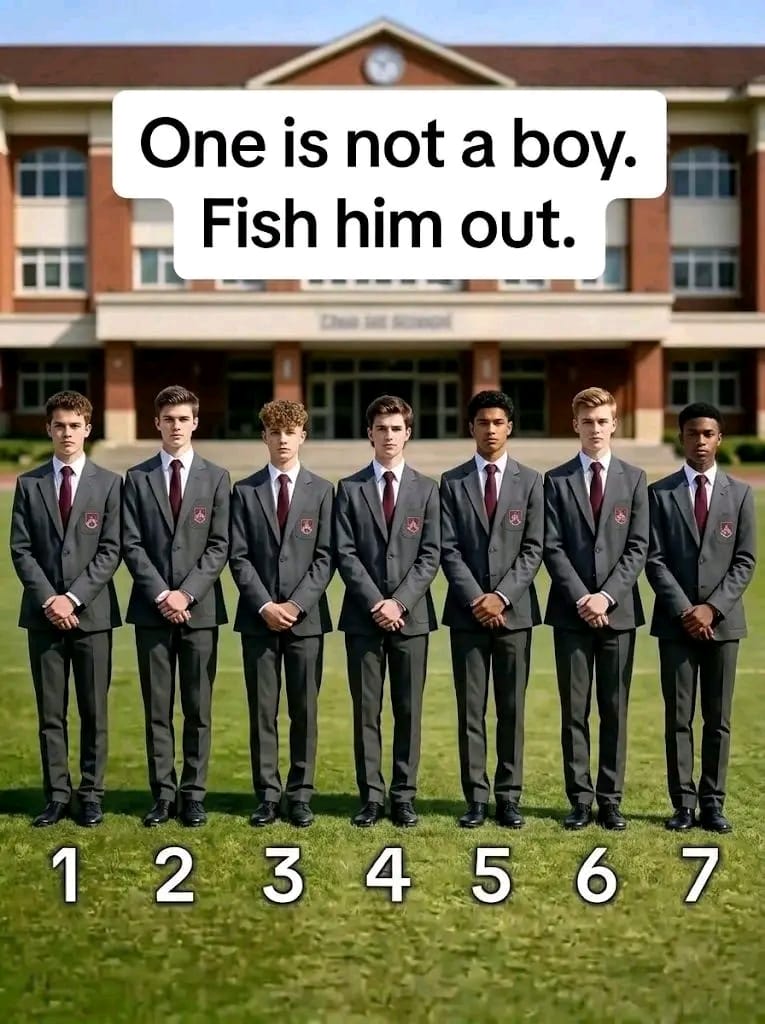
Visual riddles, optical illusions, and brain teasers have captivated human attention for generations. Whether shared across social media feeds or used as cognitive exercises to challenge friends and family, these clever puzzles test our observational skills, pattern recognition, and attention to detail. When presented with a lineup of schoolboys in matching suits featuring a clever riddle—”One is not a boy. Fish him out.”—solvers are instantly challenged to inspect every detail to find the hidden anomaly.
Engaging with visual puzzles goes far beyond simple entertainment; it stimulates neural pathways, enhances cognitive agility, and offers a refreshing mental break from daily routines. Just as individuals carefully evaluate financial investments, navigate complex legal services, or plan household improvements to protect their long-term well-being, exercising the brain with logic puzzles keeps cognitive faculties sharp. In this comprehensive guide, we examine the mechanics of visual riddles, explore the cognitive benefits of brain teasers, and reveal the solution to the schoolboy puzzle.
Decoding Visual Riddles: The Science of Detail Tracking
Why do our brains find riddle images so engaging and yet sometimes deceptively tricky? The answer lies in how the human visual cortex processes clever wording and visual clues.
1. Lateral Thinking and Clue Analysis
When examining an image paired with a clever phrase like “Fish him out,” our brains must look beyond superficial appearances to find literal or contextual puns.
-
The Clue Factor: The phrase “fish him out” contains a subtle hint pointing toward a specific character feature or hidden anomaly within the lineup.
-
Cognitive Satisfaction: Spotting the hidden detail triggers a sudden burst of dopamine, which explains why these optical riddles drive massive engagement and sharing across social media platforms.
Practical Tips for Solving Visual Puzzles Faster
Sharpening your puzzle-solving skills requires practice and the implementation of strategic observational techniques:
-
Scan Systematically: Break the image down from left to right—inspecting hair, facial features, hands, and clothing details across all numbered individuals.
-
Read the Prompt Carefully: Wordplay clues often contain direct hints about what makes one specific subject stand out from the rest.
-
Take Micro-Breaks: If your eyes start playing tricks on you, look away for thirty seconds to reset your visual focus before trying again.
Interesting Facts About Brain Teasers and Cognitive Health
-
Historical Roots: Visual puzzles and logic riddles have been studied by psychologists for over a century to understand how the human brain interprets visual data and language.
-
Neuroplasticity: Engaging in regular brain teasers, visual puzzles, and lateral thinking games stimulates neuroplasticity—the brain’s ability to form new neural connections and maintain cognitive flexibility as we age.
-
Social Media Virality: Simple, interactive image prompts tap into the human desire for community engagement, sparking friendly competition and comments in comment sections worldwide.
Conclusion
Visual riddles like spotting the imposter in a student lineup combine challenge, humor, and cognitive stimulation into a single entertaining activity. Whether you solved it instantly or had to inspect every number closely, brain teasers provide a wonderful mental workout. By incorporating regular cognitive exercises into your routine, you keep your mind sharp while having fun along the way.
FAQ Section
What does the phrase “fish him out” mean in visual riddles?
In riddle contexts, such phrasing often serves as a pun or a direct clue pointing toward a specific visual element hidden within the image.
Do brain teasers actually improve cognitive function?
Yes. Regular engagement in visual and logic puzzles helps maintain working memory, enhances spatial reasoning, and supports lifelong cognitive health by encouraging neuroplasticity.
How can I get better at solving social media image riddles?
Looking closely at unusual patterns, reading wordplay prompts carefully, and comparing notes with friends in the comments helps sharpen your puzzle-solving skills.
