
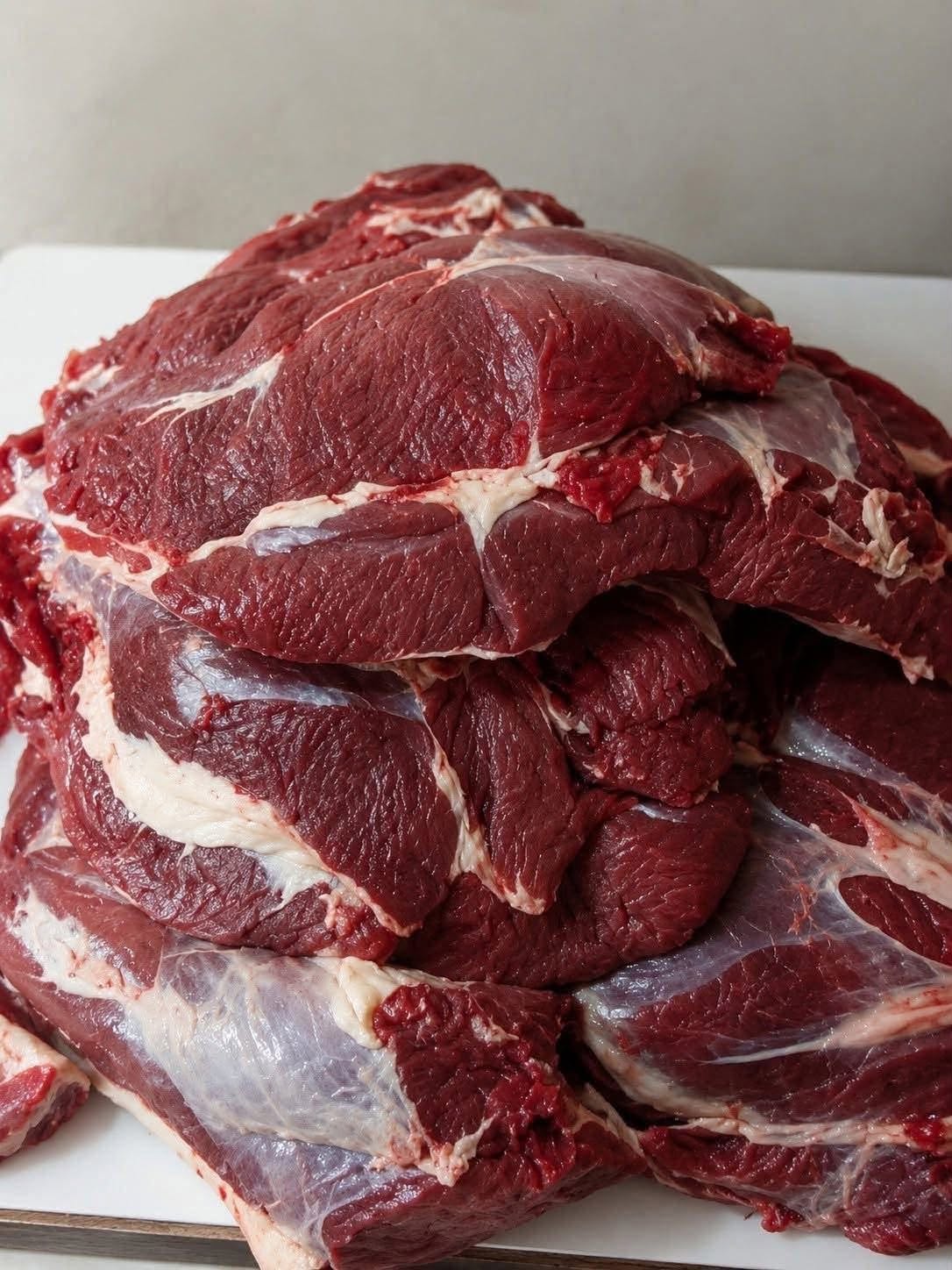
Raw meat—whether freshly butchered beef, venison, bison, or pork—is a primary source of high-quality protein, iron, and essential nutrients in many households. Buying meat in bulk or storing fresh cuts at home is an excellent way to save money and ensure a steady supply of nutritious meals. However, raw red meat requires precise handling, proper temperature control, and rigorous sanitation to preserve its freshness, flavor, and safety.
When working with large cuts or raw batches of meat, many home cooks ask essential food safety questions: How long can raw meat safely stay in the refrigerator? What is the best way to prevent freezer burn? How can proper food safety protect your family from foodborne illness?
In this comprehensive culinary, meat science, and food safety guide, we detail safe cold storage guidelines, explain how to handle raw meat properly, outline risk-prevention protocols, and discuss how smart food preservation protects your physical health, home budget, and personal finances.
Temperature Control: The Danger Zone and Storage Timelines
Bacterial growth accelerates rapidly when raw meat enters what the USDA calls the Food Temperature Danger Zone—between 4°C and 60°C (40°F and 140°F). Keeping meat outside this temperature range is the single most important step in preventing foodborne pathogens like Salmonella, E. coli, and Listeria.
[ Safe Refrigeration: Below 4°C (40°F) ] ──> Slows Bacterial Growth
[ Safe Freezing: Below -18°C (0°F) ]    ──> Halts Microbial Growth Completely
1. Refrigerator Storage (Below 4°C / 40°F)
-
Steaks, Roasts, and Chops: Can be stored safely in the refrigerator for 3 to 5 days.
-
Ground Meat and Organ Meats: Raw ground beef, game meat, or organ cuts should be cooked or frozen within 1 to 2 days.
-
Vacuum-Sealed Cuts: Professionally vacuum-sealed fresh meat can last up to 2 weeks in cold refrigeration due to the absence of oxygen.
2. Freezer Storage (Below -18°C / 0°F)
-
Whole Roasts and Steaks: Maintain optimal quality in the freezer for 6 to 12 months.
-
Ground Meat: Best consumed within 3 to 4 months for peak flavor and texture.
Fresh Meat Storage and Handling Guidelines
Understanding proper raw meat handling helps maintain food quality and prevents cross-contamination in the kitchen:
Safe Meat Preparation and Sanitation Rules
To ensure your meals remain safe and wholesome, follow these core kitchen sanitation practices:
1. Prevent Cross-Contamination
-
Always use dedicated, non-porous cutting boards (such as plastic or composite boards) specifically for raw meat.
-
Never place cooked meat or produce on a plate or surface that previously held raw meat without washing it thoroughly in hot, soapy water first.
2. Thaw Meat Safely
-
Refrigerator Thawing (Safest): Move frozen cuts to the lowest refrigerator shelf 24 to 48 hours before cooking.
-
Cold Water Thawing: Place leak-proof vacuum-sealed bags in cold tap water, changing the water every 30 minutes.
-
Never Thaw on Countertops: Leaving frozen raw meat at room temperature allows surface bacteria to multiply rapidly while the interior remains frozen.
3. Use a Food Thermometer
To ensure harmful bacteria are fully eliminated, always cook red meat to safe internal temperatures:
-
Steaks and Roasts: () with a 3-minute rest period.
-
Ground Meat: ().
Financial and Health Protections: Smart Household Budgeting
Practicing proper food preservation and safe kitchen hygiene delivers tangible benefits for your physical health, personal finance budget, and long-term security.
-
Preventing Foodborne Illness and Emergency Costs: Consuming contaminated or improperly stored meat can lead to severe gastrointestinal infections. Avoiding food poisoning protects your well-being and eliminates unnecessary out-of-pocket medical expenses, urgent care visits, and lost working days.
-
Reducing Food Waste and Maximizing Bulk Savings: Buying quality meat in bulk or processing game at home saves significant money per pound compared to purchasing single portions. Utilizing proper freezer wrapping techniques—such as vacuum sealing or double-wrapping in freezer paper—prevents freezer burn and food waste, protecting your grocery investment.
-
Lowering Household Insurance and Liability Risks: Maintaining clean, sanitary kitchen environments and proper food handling minimizes health risks for your entire household, supporting overall wellness and family security.
Frequently Asked Questions (FAQ)
How can you tell if raw meat has gone bad?
Meat that has spoiled will exhibit a strong, sour, or ammonia-like odor, a slimy or tacky surface texture, or a dull brownish-gray color extending throughout the entire muscle cut. If in doubt, throw it out!
Why does raw red meat turn brown in the refrigerator?
Red meat contains a protein called myoglobin. When exposed to oxygen, myoglobin turns bright red (oxymyoglobin). Over time, or when sealed away from oxygen, it turns brownish-gray (metmyoglobin). Color change alone does not mean the meat is spoiled if it smells fresh and feels normal.
Is freezer-burned meat safe to eat?
Yes. Freezer burn occurs when moisture evaporates from the surface of frozen food, creating dry, discolored patches. While freezer-burned meat is safe to eat, it may taste dry or tough. Trim away the freezer-burned areas before cooking for better flavor.
Final Thoughts
Raw red meat is a nutrient-dense food that forms the foundation of countless satisfying meals.
By practicing safe refrigeration, preventing cross-contamination, thawing meats properly, and investing in good freezer packaging, you can keep your kitchen safe, protect your family’s health, and enjoy high-quality meals every day!
