
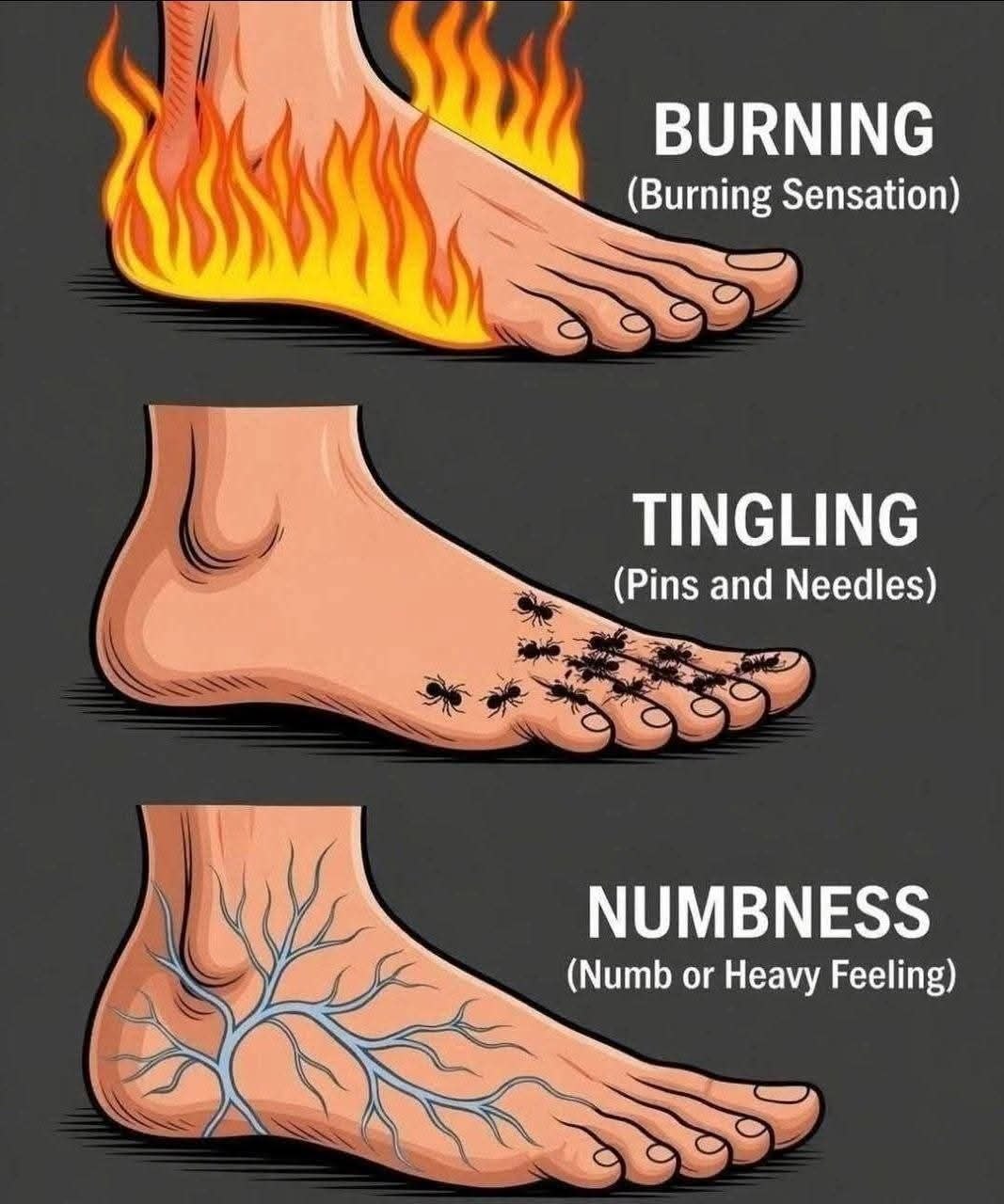
Our feet are marvels of biological engineering, supporting our body weight, maintaining balance, and connecting us to the physical world through thousands of delicate nerve endings. However, when sensory nerves experience irritation, reduced blood flow, or metabolic stress, they can send unusual signals—ranging from burning sensations and tingling pins-and-needles to numbness or a heavy feeling in the feet.
Understanding how peripheral nerves function, exploring common causes of foot discomfort, and appreciating how physical wellness connects to broader topics like healthcare economics, insurance, and lifestyle management is essential. In this comprehensive guide, we will explore the science of foot sensations, practical self-care tips, and how proper medical guidance keeps you fully supported.
Understanding Peripheral Nerve Function and Foot Sensations
Peripheral nerves transmit messages between your central nervous system and your extremities. When these pathways are compromised by factors such as nutritional deficiencies, prolonged pressure, poor circulation, or metabolic imbalances, sensory disturbances can occur.
-
Burning Sensations: Often described as a warm or fiery feeling in the soles of the feet, burning sensations can result from nerve irritation or increased sensitivity.
-
Tingling and “Pins and Needles”: This common sensation often occurs when temporary pressure on a nerve is released, but persistent tingling can signal ongoing nerve compression or circulation changes.
-
Numbness and Heavy Feelings: A lack of sensation or a heavy feeling in the feet indicates that sensory signals are being partially blocked or delayed.
Practical Tips for Supporting Foot Health and Circulation
To promote healthy circulation and protect your feet from daily discomfort, consider incorporating these practical strategies into your routine:
-
Wear Supportive Footwear: Choose shoes with adequate arch support, cushioned soles, and a roomy toe box to prevent nerve compression.
-
Stay Active: Regular low-impact exercise—such as walking, swimming, or cycling—helps boost overall blood circulation to the lower extremities.
-
Manage Blood Sugar Levels: Maintaining stable glucose levels through a balanced diet supports long-term peripheral nerve health.
-
Consult Medical Professionals: For persistent, unusual, or worsening foot sensations, schedule an evaluation with a primary care physician, podiatrist, or neurologist.
Interesting Facts About Human Feet and Nerves
-
Incredible Nerve Density: The soles of human feet contain one of the highest concentrations of touch-sensitive nerve endings anywhere in the body.
-
Daily Impact: With every step you take, your feet absorb forces equal to roughly one to two times your body weight, increasing to much more during running.
-
Complex Anatomy: Each human foot contains 26 bones, 33 joints, and over a hundred muscles, tendons, and ligaments working in precise harmony.
Financial, Insurance, and Legal Aspects of Healthcare Management
Managing chronic foot discomfort, consulting specialized healthcare providers, or undergoing diagnostic nerve testing requires careful personal and financial organization. Ensuring that your health insurance policy covers specialist visits and preventative care helps mitigate out-of-pocket medical expenses. Additionally, organizing your financial records and budgeting for health investments protects your long-term security.
Conclusion
Listening to the signals your body sends—including unusual sensations in your feet—is a vital part of maintaining proactive health and wellness. By understanding peripheral nerve function, adopting healthy daily habits, and maintaining open communication with medical professionals, you can protect your mobility and enjoy a vibrant life.
Frequently Asked Questions (FAQ)
What causes burning, tingling, or numbness in the feet?
These sensations can be caused by various factors, including temporary nerve compression, poor circulation, nutritional deficiencies, or underlying metabolic conditions that affect peripheral nerve function.
When should I see a doctor about foot numbness or tingling?
You should consult a healthcare provider if foot symptoms persist, worsen over time, spread upward into your legs, or are accompanied by weakness or difficulty walking.
How can I improve daily circulation in my feet?
Staying physically active, avoiding prolonged periods of crossing your legs, wearing comfortable shoes, and maintaining a balanced diet are all effective ways to support healthy lower-extremity circulation.
