
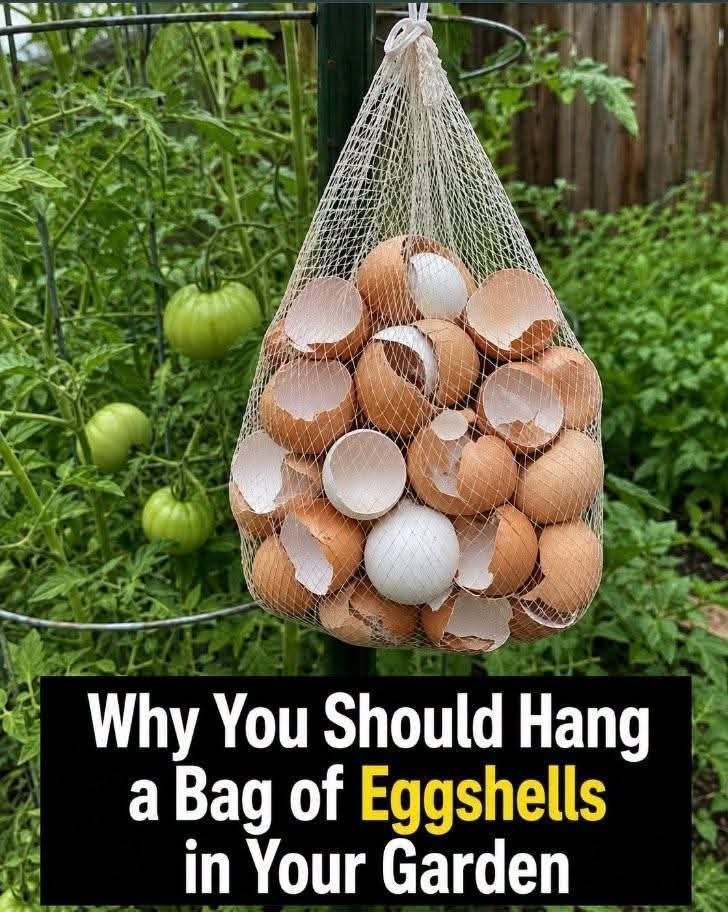
Creating a thriving, lush, and productive garden is one of the most rewarding hobbies for homeowners and nature enthusiasts alike. From growing vibrant flowers to cultivating organic vegetables, keeping your plants healthy requires careful attention to soil quality, nutrient management, and natural pest control. While chemical fertilizers and commercial pesticides are widely available, many gardeners prefer creative, sustainable, and eco-friendly methods to protect their yields—such as utilizing kitchen scraps like eggshells.
Understanding how organic garden amendments work, exploring natural pest prevention strategies, and appreciating how sustainable home practices connect to broader topics like property management, financial planning, and environmental insurance is essential. In this comprehensive guide, we will explore the science of garden eggshells, practical cultivation tips, and how proper property care keeps you fully supported.
Understanding Eggshells in the Garden: Pests and Soil Nutrients
Eggshells are frequently celebrated in gardening lore for their dual potential value: providing calcium to the soil as they break down and acting as a physical or visual deterrent for crawling garden pests.
-
Calcium Enrichment: As calcium carbonate-rich eggshells decompose over long periods, they slowly contribute micronutrients to the surrounding soil, supporting plant cell wall development (particularly beneficial for tomatoes prone to blossom end rot).
-
Pest Confusion and Deterrence: While crushing eggshells around plant bases is a classic method to deter soft-bodied pests like slugs and snails, hanging mesh bags of whole or broken shells is often shared online as a clever visual trick to confuse certain insect pests or deter critters.
-
Sustainable Upcycling: Repurposing kitchen waste reduces household refuse while returning valuable minerals right back into your home ecosystem.
Practical Tips for Enhancing Your Home Garden
To ensure your garden yields a bountiful and healthy harvest, consider incorporating these practical strategies into your routine:
-
Rinse and Dry First: Always thoroughly wash and dry eggshells before saving or hanging them to prevent attracting unwanted ants or rodents with residual organic matter.
-
Crush for Soil Application: For actual calcium absorption, finely crushing dried eggshells and mixing them directly into the soil or compost pile is far more effective than leaving them whole.
-
Monitor Plant Health: Regularly inspect your vegetables and flowers for signs of nutrient deficiencies, pest activity, or fungal issues.
-
Consult Master Gardeners: For specialized regional planting advice, soil testing kits, or advanced pest management solutions, consult local agricultural extension offices or professional horticulturists.
Interesting Facts About Gardening and Plant Biology
-
Calcium’s Crucial Role: Calcium is a vital secondary macronutrient for plants, essential for building strong cell walls and facilitating the transport of other nutrients throughout the stem and leaves.
-
The History of Composting: Composting organic waste has been practiced by human agricultural societies for thousands of years, enriching poor soils long before synthetic fertilizers were invented.
-
Companion Planting: Many gardeners use aromatic herbs and flowers alongside vegetables naturally to confuse pests and attract beneficial pollinators like bees and ladybugs.
Financial, Insurance, and Legal Aspects of Home Gardening
Managing a residential property, investing in landscaping materials, or operating a home greenhouse involves important personal and financial considerations. Ensuring that your homeowner’s insurance policy covers outbuilding structures, garden sheds, or landscaping liabilities provides peace of mind. Furthermore, budgeting wisely for home improvement and sustainable projects contributes to long-term financial stability.
Conclusion
Gardening is a wonderful blend of science, patience, and creative experimentation. By understanding how organic amendments like eggshells interact with soil and pests, practicing sustainable upcycling, and maintaining proper garden care, you can cultivate a vibrant, thriving outdoor space all season long.
Frequently Asked Questions (FAQ)
Does hanging a bag of eggshells actually protect a garden?
While hanging bags of eggshells is a popular viral internet tip often suggested to deter pests or confuse flying insects, its effectiveness varies; crushing and composting eggshells directly into the soil is scientifically proven to be much more beneficial for nutrient enrichment.
What are the benefits of adding eggshells to garden soil?
Eggshells are rich in calcium carbonate, which slowly breaks down in the soil to help neutralize acidity and support strong cell wall development in vegetables like tomatoes and peppers.
How should you prepare eggshells before using them in the garden?
You should always rinse the eggshells thoroughly to remove any liquid residue, let them dry completely, and crush them into small pieces to speed up decomposition or storage.
