
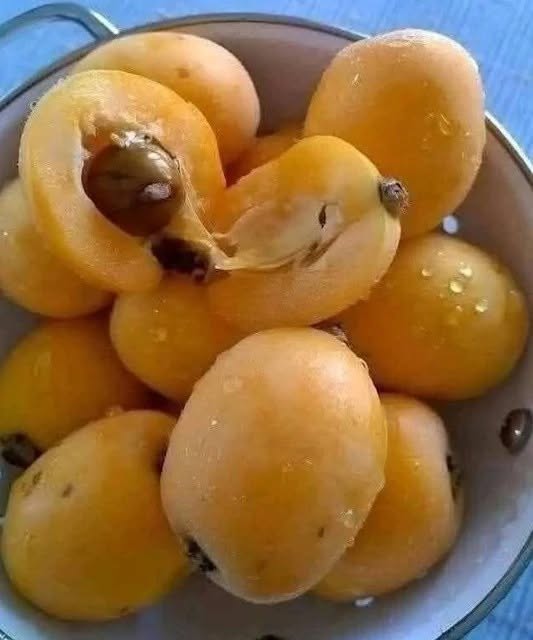
Loquats—known botanically as Eriobotrya japonica and often referred to as Japanese plums, Nispero, or Chinese plums—are one of the most delicious, sub-tropical fruit treasures in the world. Native to south-central China and cultivated for centuries across Asia, the Mediterranean, and North America, loquats feature smooth, golden-yellow skin, juicy yellowish-orange flesh, and a distinct cluster of smooth brown seeds at their center.
With a unique flavor profile often described as a sweet, tangy blend of peach, apricot, citrus, and mango, loquats are enjoyed fresh off the tree, baked into gourmet pastries, preserved in jams, or brewed into soothing herbal teas. In this comprehensive guide, we explore the extraordinary nutritional profile of loquats, examine their evidence-based health benefits, outline practical culinary uses, review orchard management and growing secrets, examine household budgeting, and discuss agricultural trade standards.
The Nutritional Profile of Loquats
Despite their small size, loquat fruits are an exceptional source of dietary fiber, essential vitamins, vital minerals, and powerful antioxidant compounds.
Key Nutritional Breakdown (Per 100g Serving)
-
Low Caloric Density: Only 47 calories per 100-gram serving, making them an ideal choice for weight management.
-
Pro-Vitamin A (Beta-Carotene): Rich in carotenoids, providing nearly 30% of the daily recommended value for eye and immune health.
-
Essential Minerals: Concentrated source of potassium, magnesium, manganese, and phosphorus.
-
Dietary Fiber (Pectin): Rich in soluble pectin fiber, which aids digestion and supports healthy cholesterol levels.
-
Flavonoid Antioxidants: Packed with chlorogenic acid, ferulic acid, and caffeic acid, which protect tissues against cellular oxidation.
5 Health Benefits of Loquat Fruit and Leaves
Incorporating fresh loquat fruits and brewed loquat leaf extract into your wellness routine delivers powerful support across multiple bodily systems:
1. Promoting Respiratory Health and Soothing Coughs
In Traditional Chinese Medicine (TCM), loquat syrup (Pipa Gao) and loquat leaf decoctions have been utilized for centuries as natural expectorants. Compounds in loquat leaves help soothe bronchial irritation, reduce mucus secretion, and calm persistent coughing.
2. Supporting Heart Health and Blood Pressure Regulation
Loquats contain generous levels of potassium, a vital mineral that regulates fluid balance and counteracts excess sodium in the bloodstream. Potassium helps relax vascular walls, promoting healthy arterial dilation and supporting optimal blood pressure levels.
3. Boosting Immune Resilience and Eye Health
The vibrant golden-orange hue of loquat flesh is driven by high concentrations of carotenoids, including beta-carotene and lutein. These antioxidants convert into active Vitamin A, supporting corneal integrity, night vision, and white blood cell defense mechanisms against seasonal infections.
4. Supporting Metabolic Balance and Glycemic Control
Both loquat fruit fiber and specific triterpene compounds found in loquat leaves aid in stabilizing blood sugar levels. Soluble pectin fiber slows glucose absorption in the gut, preventing sudden post-meal blood sugar spikes.
5. Enhancing Digestive Comfort
The pectin fiber present in loquats acts as a natural prebiotic, supporting smooth gastrointestinal motility, easing constipation, and nourishing beneficial gut microbes that maintain intestinal lining strength.
Loquats vs. Similar Stone Fruits
| Fruit Variety | Primary Flavor Profile | Standout Nutrient | Primary Culinary Role |
| Loquat | Citrus-apricot-peach hybrid blend | Beta-Carotene & Pectin | Fresh eating, preserves, teas, and pies |
| Apricot | Sweet, floral, and mildly tangy | Vitamin A & Vitamin C | Baking, drying, and preserves |
| Kumquat | Tart citrus flesh with sweet edible peel | Vitamin C & Flavonoids | Raw whole eating, marmalades, and cocktails |
| Plum | Rich, sweet-tart stone fruit | Vitamin K & Polyphenols | Fresh eating, baking, and prunes |
Practical Culinary Ideas: How to Enjoy Loquats
Because loquats have thin skins and delicate flesh, they are wonderfully versatile in the kitchen:
-
Fresh Out-of-Hand Snack: Peel the thin outer skin (or eat it intact), slice the fruit open to remove the large brown seeds, and enjoy the refreshing, juicy flesh directly.
-
Artisanal Loquat Jam and Preserves: Because loquats are naturally rich in pectin, they simmer into thick, golden jams without requiring added artificial gelling agents. Combine diced loquats, fresh lemon juice, and honey for a morning toast spread.
-
Loquat and Almond Tart: Substitute peaches or apples with pitted loquat halves in classic fruit tarts or crumbles for a tangy, sophisticated dessert.
-
Savoring Herbal Loquat Tea: Dried loquat leaves can be steeped in hot water with ginger and honey to create a calming, aromatic herbal tea that soothes throat irritation.
Growing and Care Secrets for Loquat Trees
Loquat trees (Eriobotrya japonica) are attractive, evergreen subtropical trees that feature large, leathery dark green leaves and fragrant white winter blossoms.
1. Climate and Hardiness
Loquats thrive in USDA Hardiness Zones 8 through 11. While mature trees can tolerate brief cold snaps down to $12^\circ\text{F}$ ($-11^\circ\text{C}$), fruit clusters and winter flowers are sensitive to freezing temperatures below $27^\circ\text{F}$ ($-3^\circ\text{C}$).
2. Soil and Watering Requirements
Plant loquat trees in well-draining, loamy soil with a neutral to slightly acidic pH. While established trees exhibit moderate drought tolerance, providing deep, regular watering during spring fruit development yields larger, juicier fruit.
3. Pruning and Thinning
To achieve large, plump fruits, thin out crowded fruit clusters when the fruits are small (about the size of a marble), leaving 3 to 4 fruits per cluster. Prune the canopy annually after harvest to keep the tree at an accessible picking height (8 to 10 feet).
Financial Efficiency: Household Gardens and Grocery Savings
Cultivating fruit-bearing trees like loquats offers clear economic advantages for homeowners and homesteaders.
High Yields with Low Maintenance
Loquat trees are prolific producers, often yielding hundreds of pounds of fresh fruit per season once mature. Growing a loquat tree at home provides a high return on investment, delivering expensive, luxury-quality fresh fruit for a fraction of store or farmers’ market prices.
Smart Allocation for Family Budgets
Harvesting home-grown produce lowers monthly grocery spending. Reallocating those savings toward high-yield savings accounts, emergency funds, or retirement investments builds long-term financial security.
Business, Agriculture, and Commercial Trade Standards
For commercial growers, fruit distributors, and nursery entrepreneurs, managing loquat orchards involves unique agricultural standards:
Post-Harvest Handling and Shipping
Because loquats have delicate, thin skins that bruise easily, commercial growers harvest the fruit by hand with stems attached. Fresh loquats are chilled rapidly to $40^\circ\text{F}$ ($4^\circ\text{C}$) to extend shelf life during retail distribution.
Agricultural Regulations and Business Protections
Commercial fruit nurseries and fruit exporters must comply with agricultural department pest inspection standards to prevent the spread of fruit flies or botanical blights. Entrepreneurs establishing orchards should consult with an experienced agricultural business attorney to secure land leases, obtain crop insurance, and manage trade compliance.
Conclusion
The loquat is a remarkable subtropical fruit that offers a delightful combination of sweet-tart flavor, rich pro-vitamin A nutrition, and soothing health benefits. Whether you enjoy them picked fresh from a garden tree, cooked into rich preserves, or steeped as an herbal tea, loquats are a true gift of nature. Plant a tree or grab a basket at your local market to experience this golden treasure for yourself!
Frequently Asked Questions (FAQ)
1. Are loquat seeds safe to eat?
No. Loquat seeds contain small amounts of cyanogenic glycosides (such as amygdalin), which release cyanide when digested in large quantities. Always remove and discard the large brown seeds before eating the fruit.
2. What does a loquat taste like?
Loquats have a unique, refreshing flavor profile that combines the sweetness of a ripe peach or apricot with a pleasant citrusy tang reminiscent of a mango or guava.
3. Can you eat the skin of a loquat fruit?
Yes! The thin golden skin of a loquat is completely edible and contains valuable dietary fiber and antioxidants. However, many people prefer to peel the skin for a smoother texture.
4. How do you store fresh loquats to keep them from spoiling?
Unwashed, ripe loquats should be stored in the crisping drawer of your refrigerator, where they will stay fresh for up to 1 to 2 weeks. Leave them at room temperature only if you plan to eat them within 2 to 3 days.
5. Why is my loquat tree not producing fruit?
Loquats bloom in late autumn or winter and mature in early spring. If late winter freezes kill the flowers, or if the tree receives excessive nitrogen fertilizer (which promotes leaves instead of fruit), it may fail to produce fruit for that season.
