
Introduction
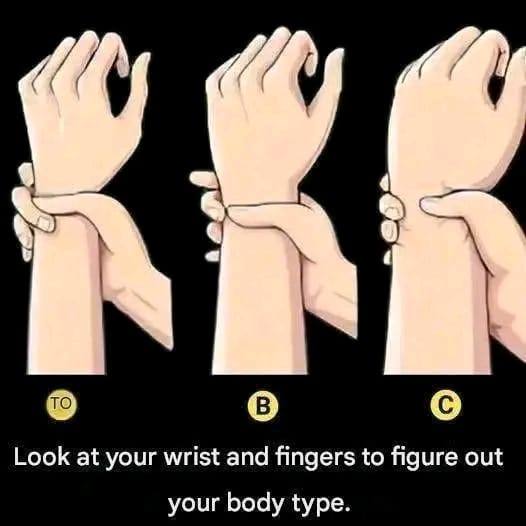
Fitness tips, body measurements, and wellness trends hold a special place in our daily lives, sparking passionate discussions among health and fitness lovers. Whether discussing somatotypes, bone structure, or physical traits, everyone has a strong opinion on what body type categories mean for health and fitness. When presented with an illustrative graphic comparing wrist wrap measurements labeled A, B, and C alongside the prompt “Look at your wrist and fingers to figure out your body type”, fitness enthusiasts are instantly drawn into a lively debate on physical builds.
Evaluating our health habits goes beyond basic fitness; it intersects with physiological science, physical anthropology, and personal wellness routines. Just as individuals carefully manage household budgets, plan rewarding lifestyle routines, or explore culinary skills, discussing health tips adds value to our daily lives. In this comprehensive guide, we examine the science of body framing, explore how wrist measurements relate to bone structure, and review popular opinions on physical body types.
Decoding Fitness Science: Why Wrist Measurements Spark Interest
Why do body type and frame assessments evoke such strong personal curiosity, and why do fitness prompts go viral online? The answer lies in skeletal structure, metabolism awareness, and fitness personalization.
1. The Balance of Bone Structure and Physical Builds
Every body frame offers a unique structural baseline that influences physical conditioning and fitness goals.
-
The Structural Profile: From ectomorphic lean frames to mesomorphic and endomorphic builds, skeletal structure helps determine how individuals respond to diet and exercise.
-
The Visual Debate: Whether someone easily overlaps their fingers around their wrist or finds a gap, visual health prompts tap into universal self-discovery goals, which explains why these posts drive massive engagement and commentary across social media platforms.
Practical Tips for Maintaining a Healthy Fitness Routine
Enjoying a balanced and effective health routine requires mindfulness, consistency, and personalized planning:
-
Focus on Individual Goals: Tailor your fitness and nutrition regimen to your unique body structure rather than comparing yourself to others.
-
Prioritize Balanced Health: Combine regular physical activity with a wholesome diet to support long-term well-being.
-
Engage and Share: Compare your body type findings with friends online to spark fun wellness discussions in the comments.
Interesting Facts About Body Frames and Fitness
-
Global Popularity: Somatotype and body-measuring topics are among the most engaging subjects across fitness and lifestyle platforms worldwide.
-
Skeletal Baselines: Anthropometric measurements like wrist size have historically been used by researchers to estimate body frames.
-
Social Media Virality: “Self-test” graphic prompts tap into human curiosity and the desire for quick self-assessment tools, making them top performers for community interaction online.
Conclusion
Fun wellness discussions like exploring wrist size body types combine fitness awareness, personal lifestyle choices, and social sharing into a single entertaining activity. Whether you lean toward one category or another, every healthy choice adds to your overall well-being. By exploring new ideas and sharing your perspective, you keep your online experience engaging and connected.
FAQ Section
How do wrist measurements relate to body types?
Wrist testing is often used as a quick visual proxy to estimate skeletal frame size, distinguishing between small, medium, and large bone structures.
Why do body type and fitness posts generate so many comments?
They invite people to test themselves, share their results, and debate fitness concepts in the comments.
How can I participate in this trend online?
Simply wrap your fingers around your wrist, find your category (A, B, or C), and drop your results in the comments to join the community discussion.
